Amrut Biodiversity Park Visit | June 2026
Date of visit: 7th June 2026
After a gap of two months, I went for a bird watching tour with Delhi Earth Walks. This time we visited Amrut biodiversity park, and it was my first time there. The Amrut Biodiversity Park is situated in Delhi. It is spread across ~222 acres with diverse flora and fauna. Over 14,500 trees were planted that includes; Neem, Peepal, Mango, Ashoka, Banyan, Kachnar, Kadamb, Jamun, Imli, and Semal. And includes 320,000 reverine grasses and shrubs such as Sarkanda, Vetiver, blue Panic grass, cotton grass, and Kush grass. Fauna includes, various birds that are; pied cuckoo, Bonelli’s Eagle, Eurasian Moorhen, Cinnamon Bittern. Also, harbours variety of invertebrates, insects and Arachnids, most popular being the spiders and colourful beetles. I was very curious to explore fauna at this time of the year.
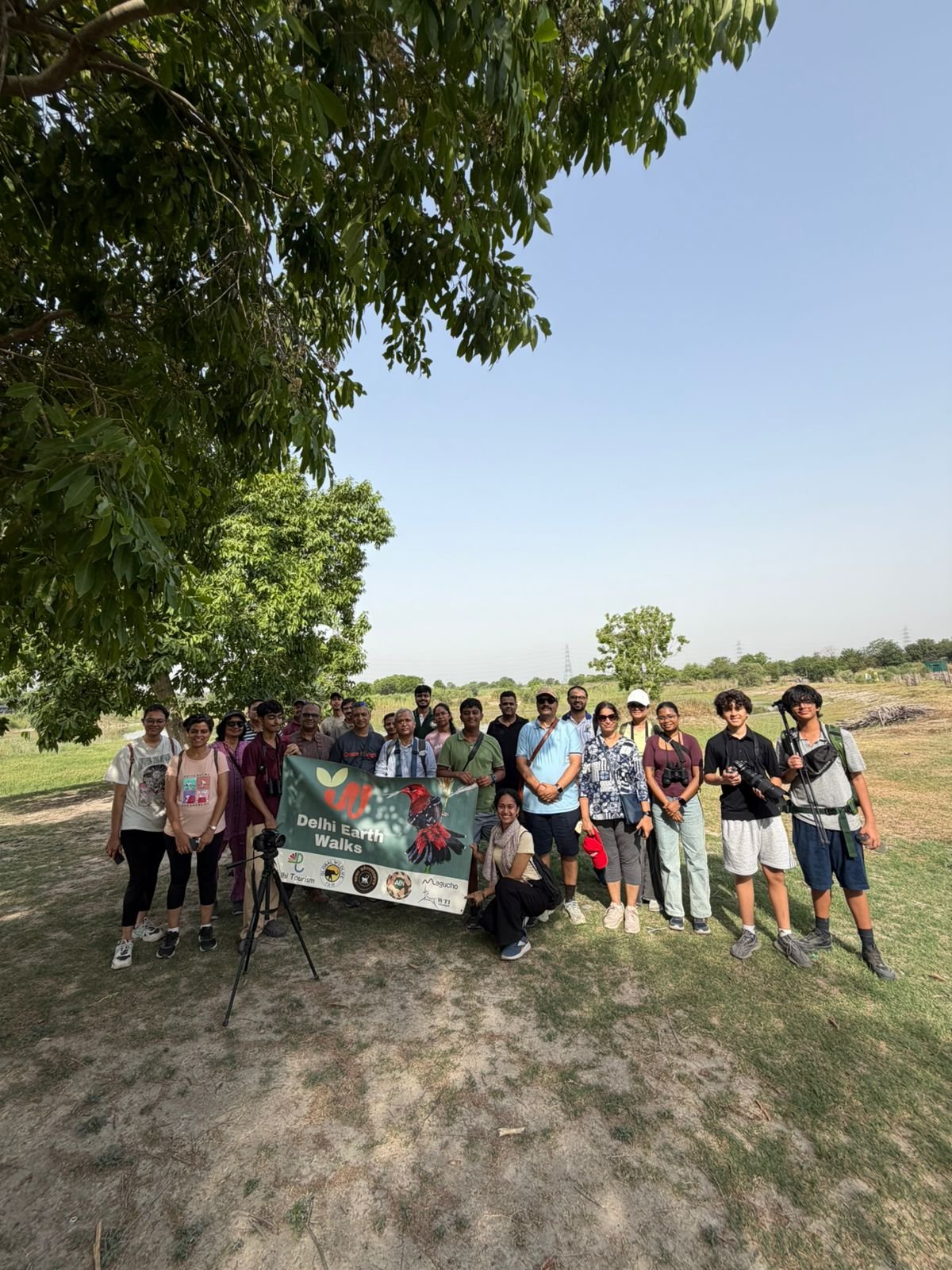
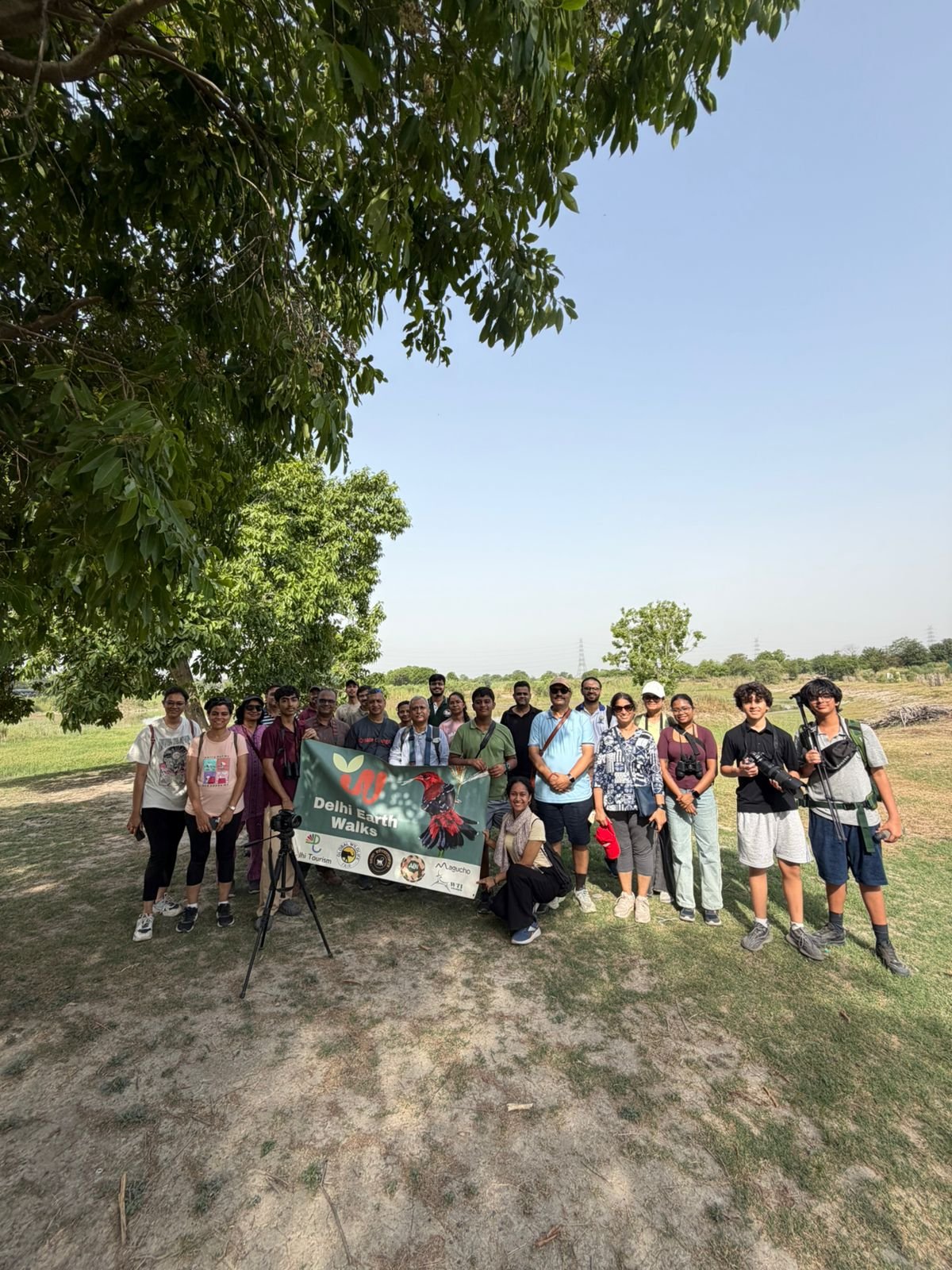
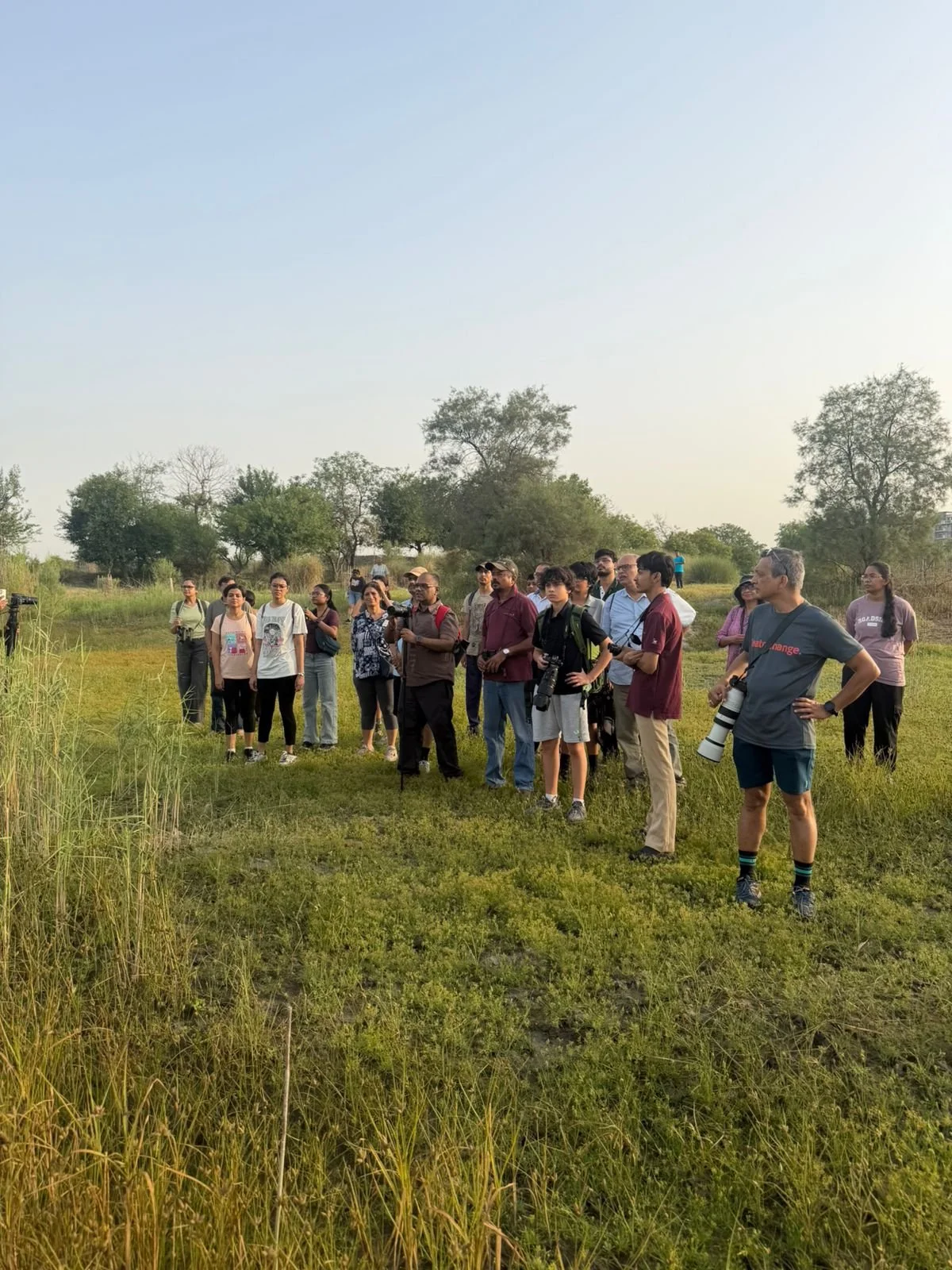
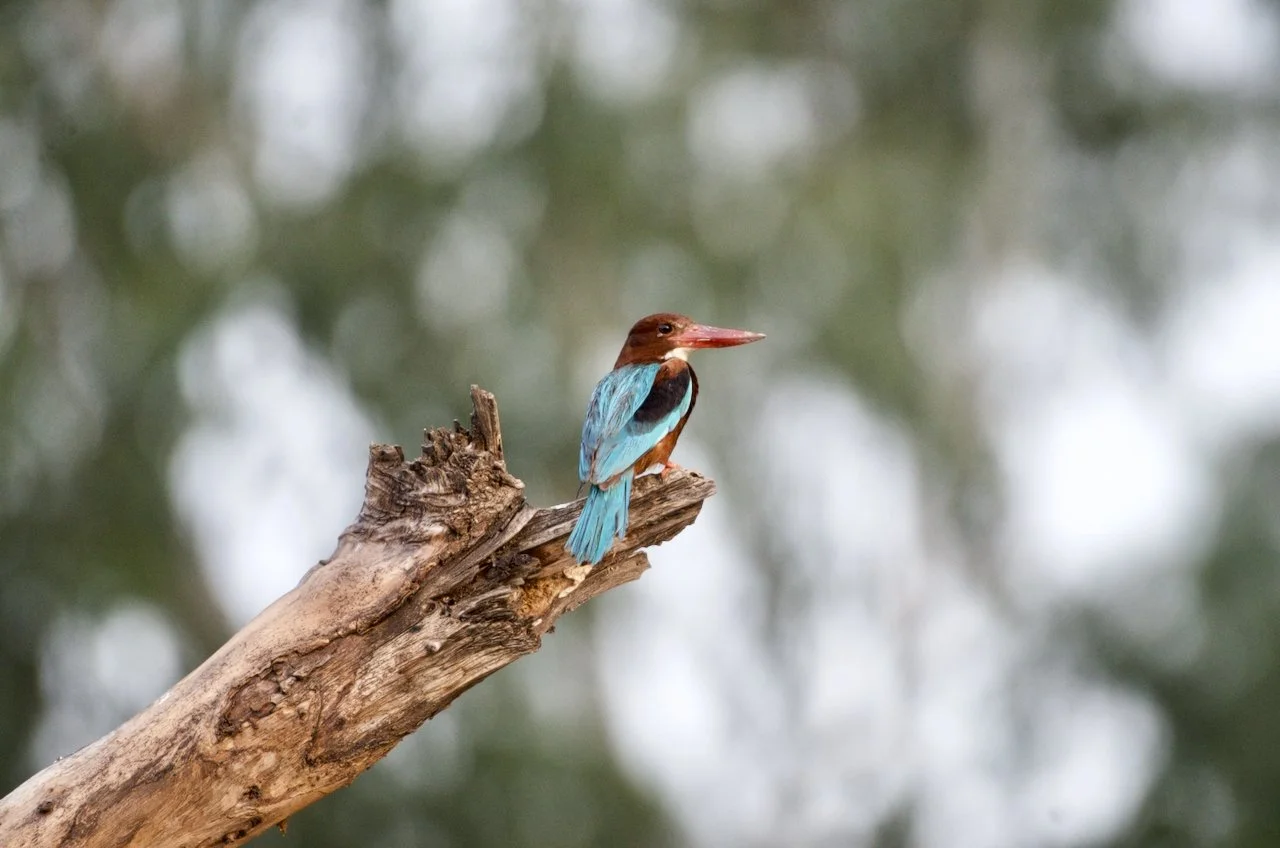
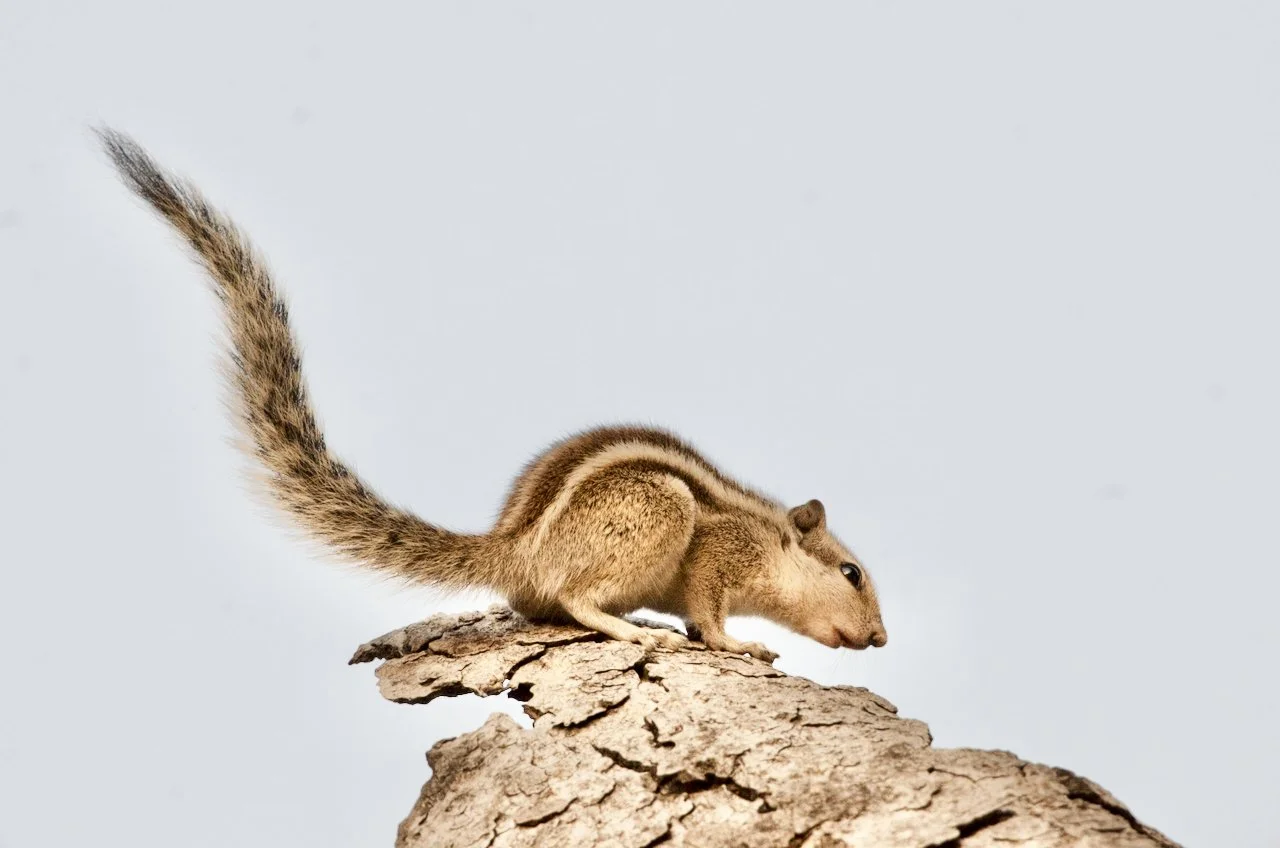
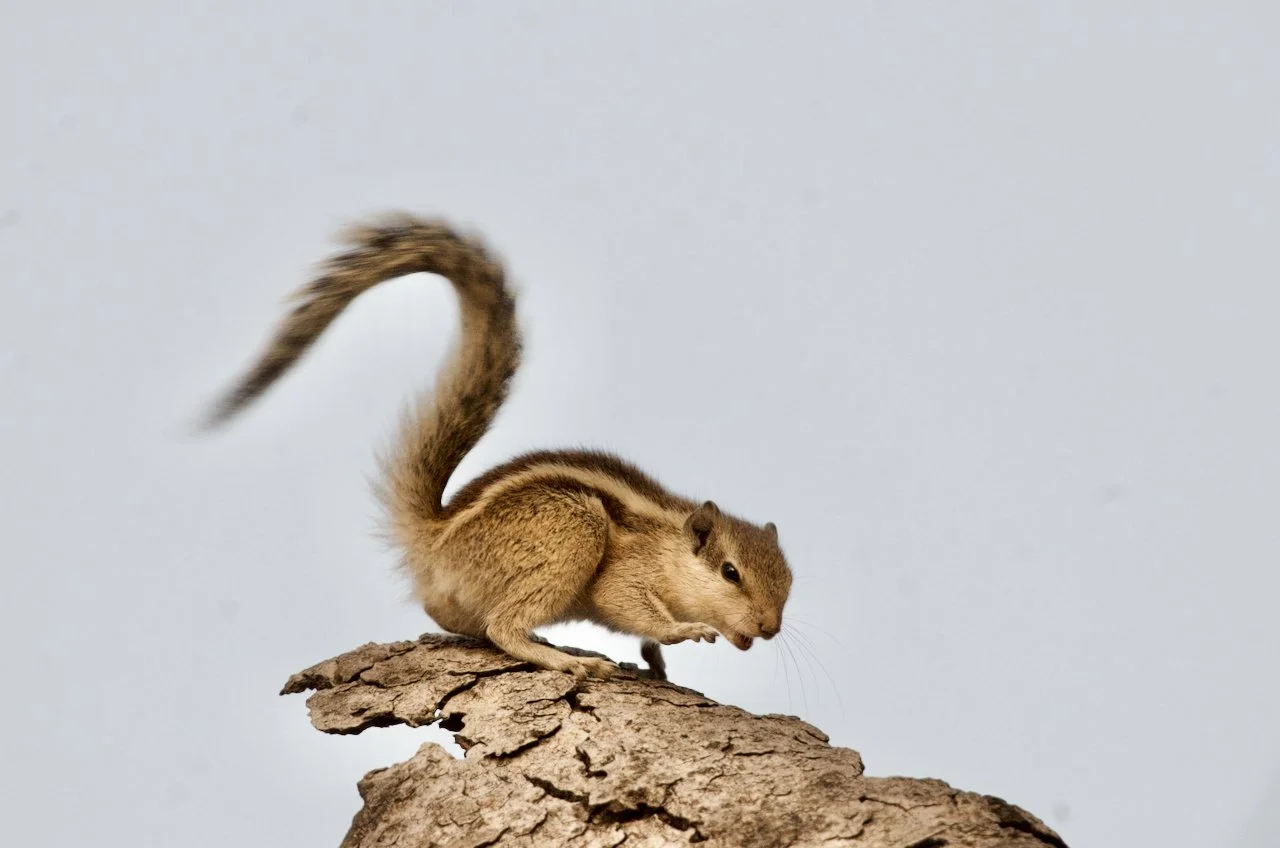
The nearest metro station is Akshardham Metro Station. From there, it takes about 20–30 minutes by auto-rickshaw or cab to reach the park. I reached the park very early at around 5:30 am by car and waited for other members to join in. In the mean time I just explored the park, it seemed quite large, although it had only recently been developed. I took some pictures of morning silhouettes and also took close-up shots of squirrel and a Common Kingfisher bird, which was resting on top of the tree bark. After meeting the group organizers; Deepak Kumar, Salil Dutta, Tushar, Pankaj, we started the bird walk. We started at around 6:30 am and Mr. Sandeep led the bird watching group. Around thirty people joined the birdwatching walk.
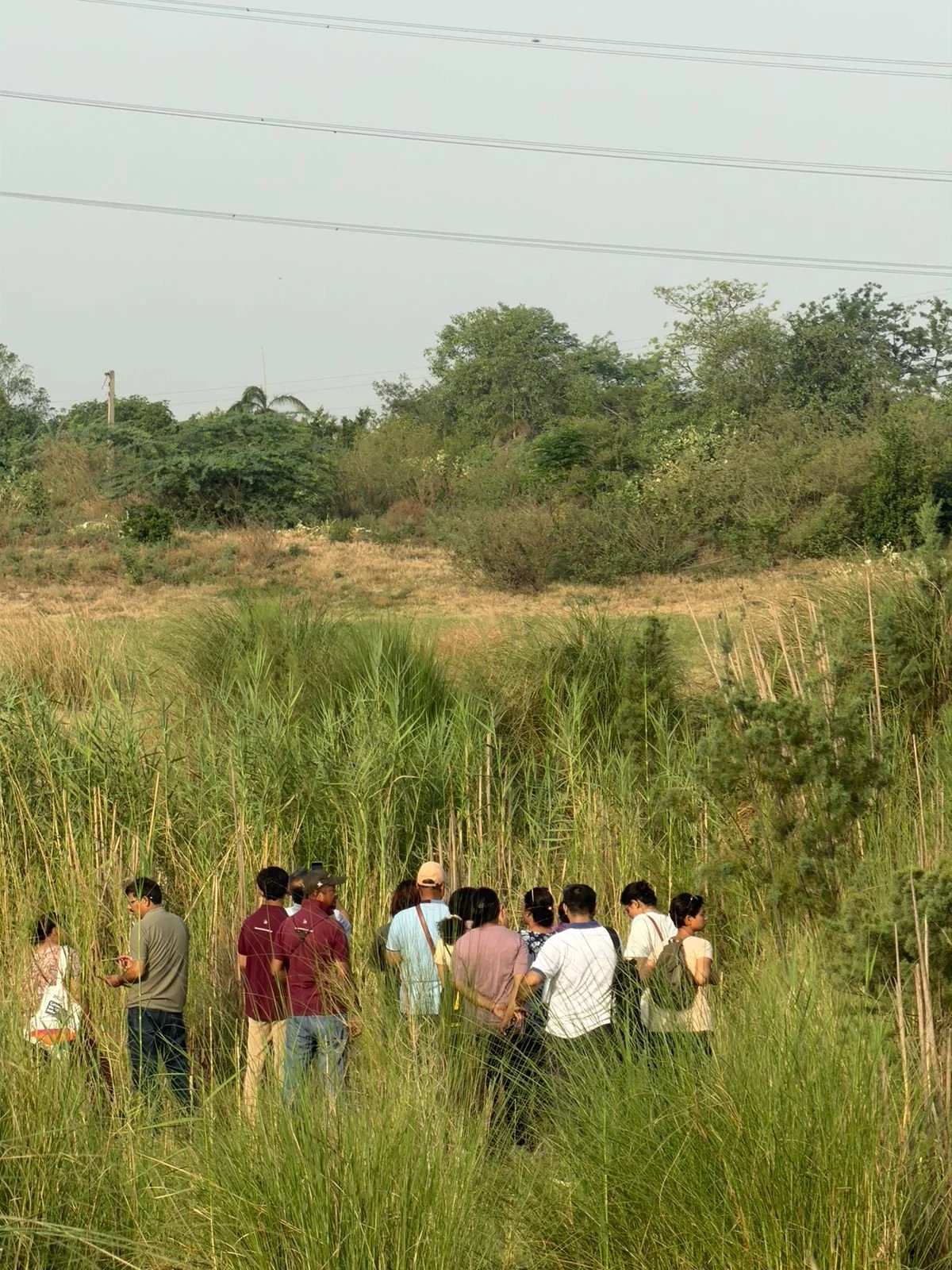
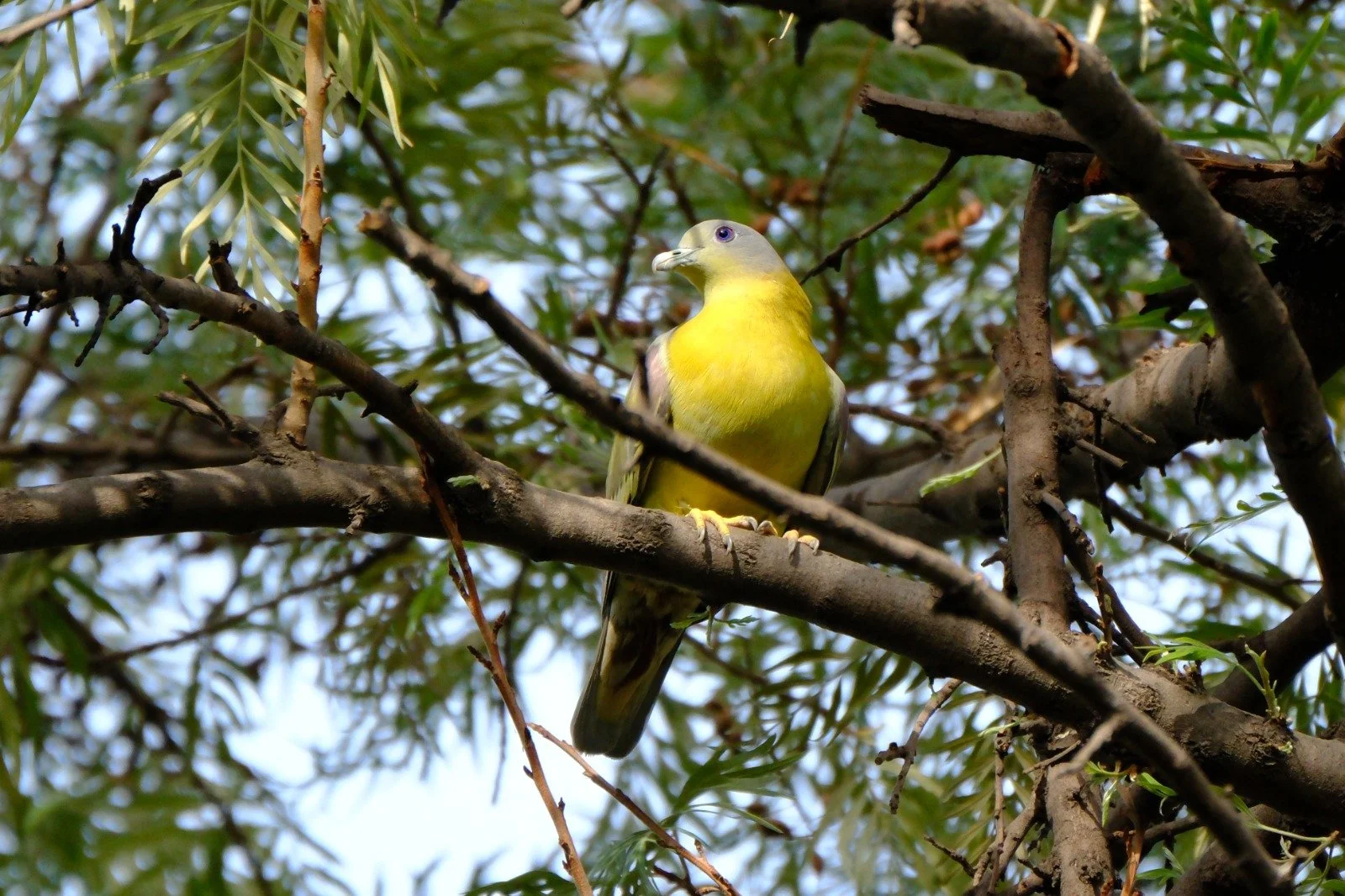
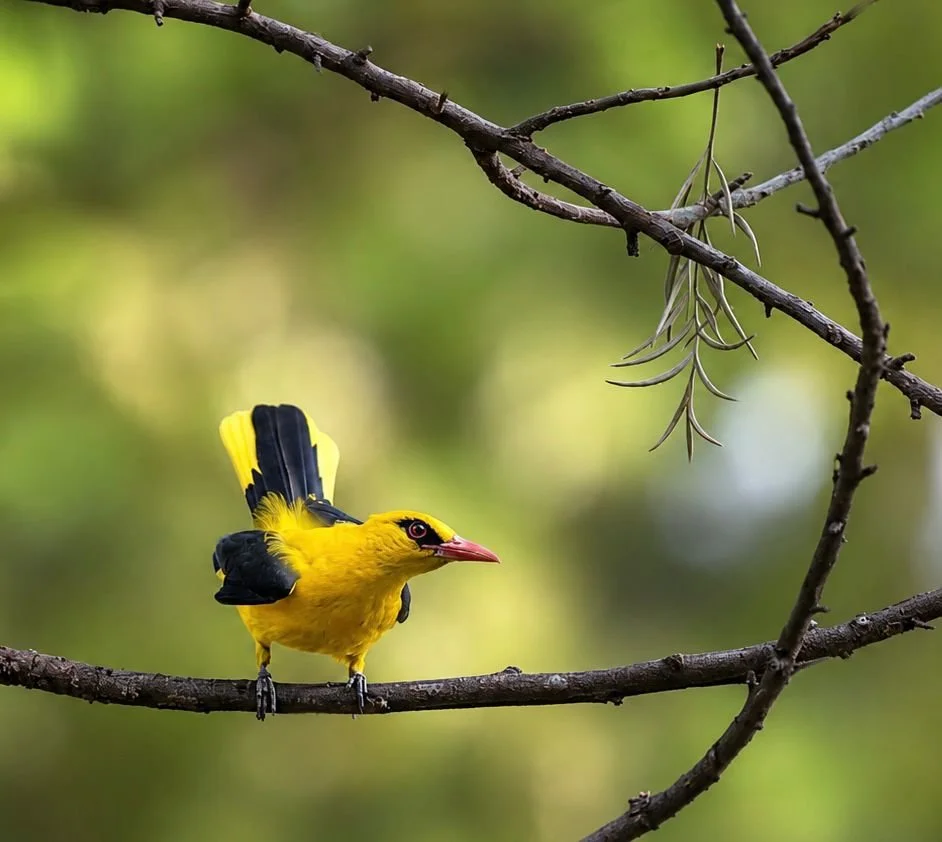
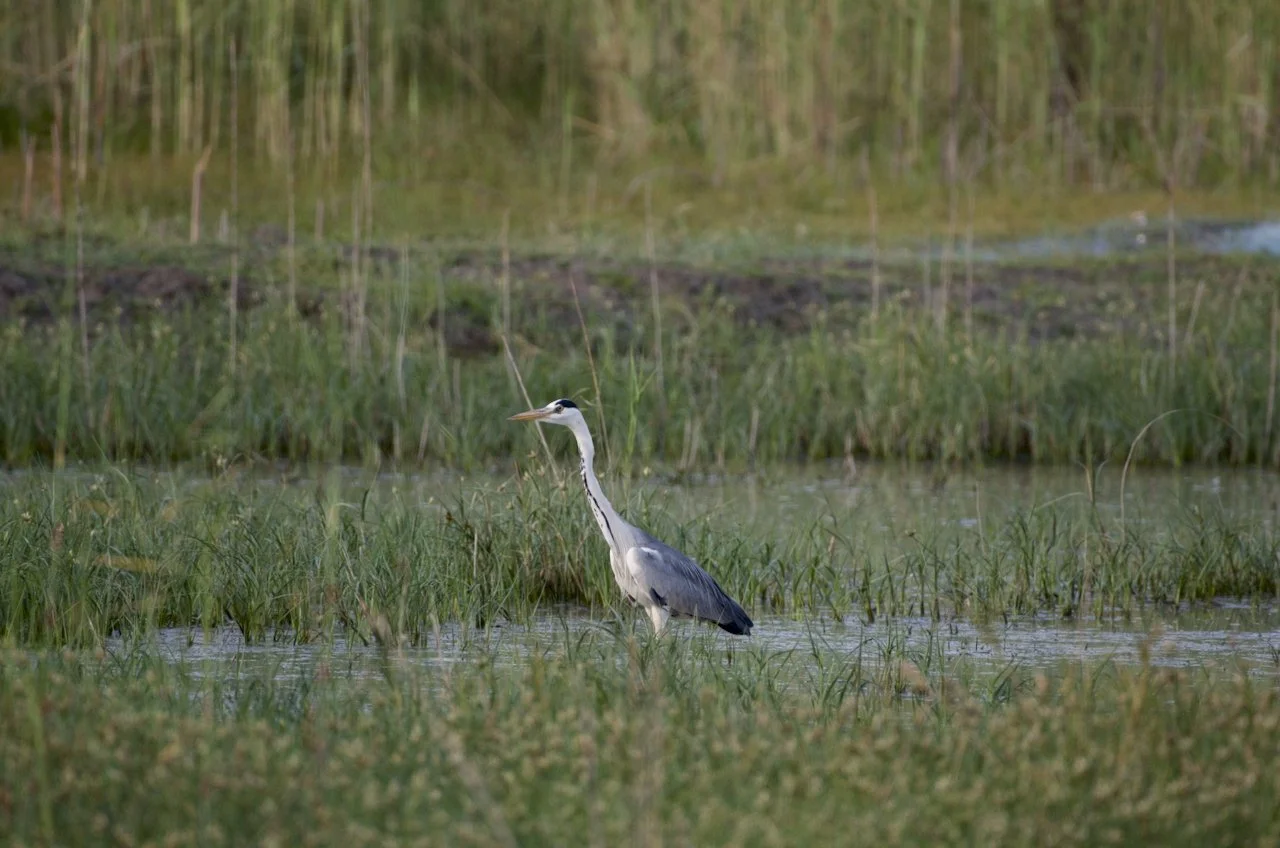
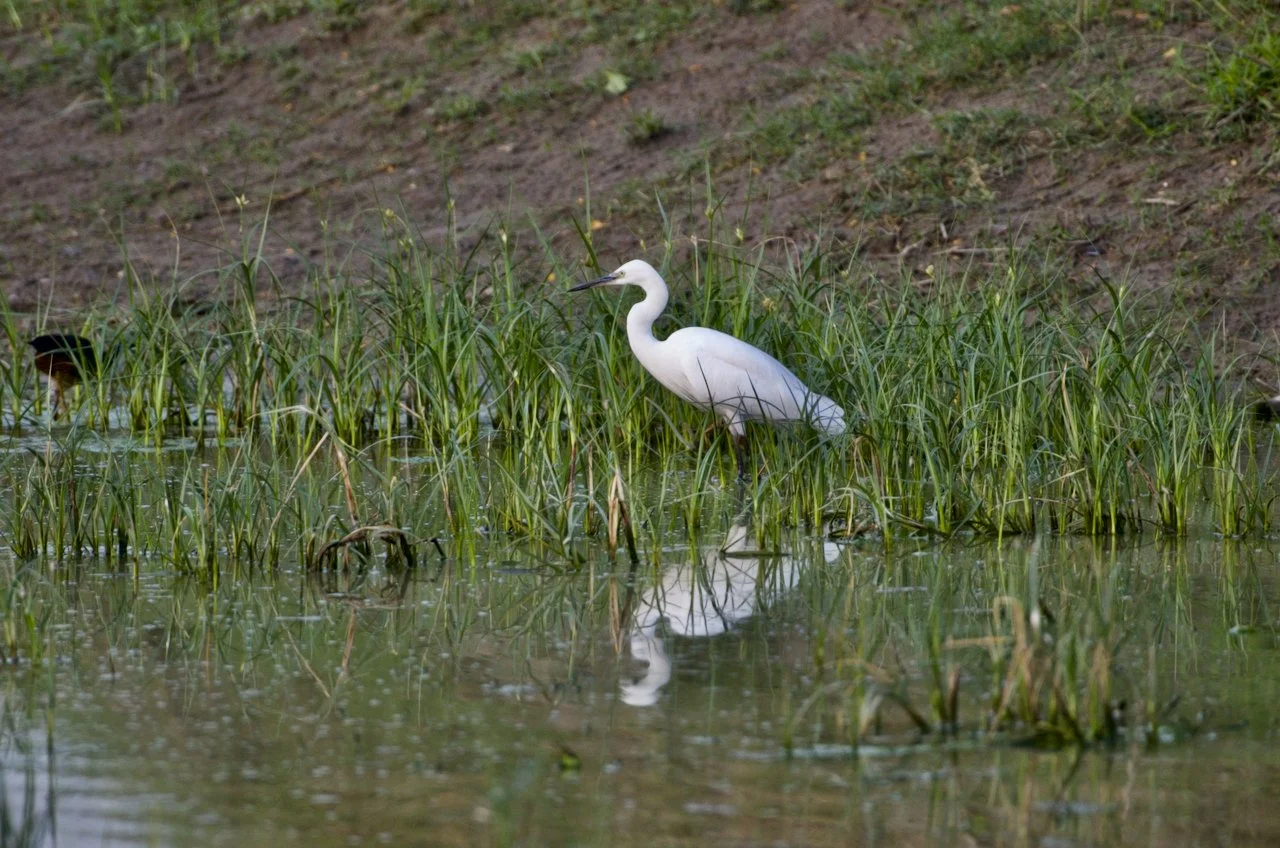
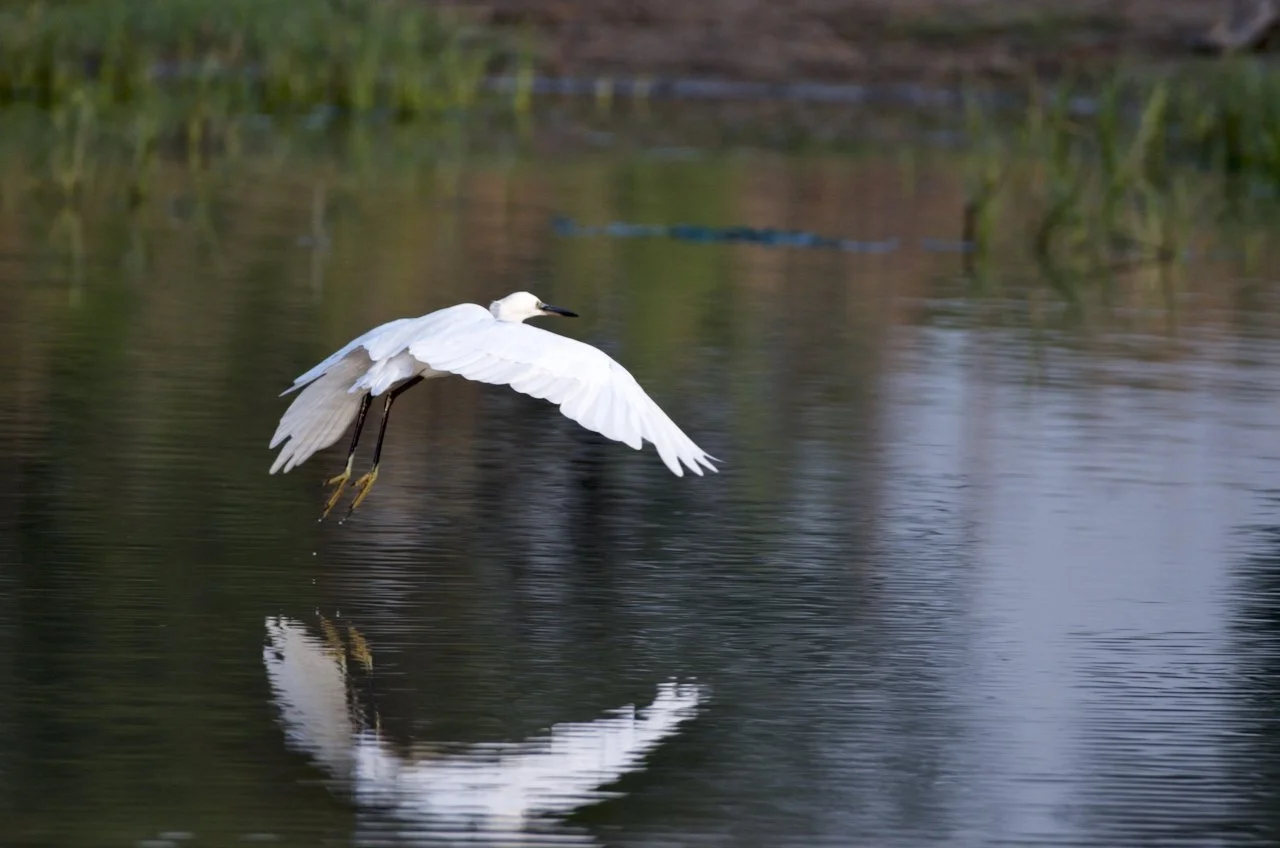
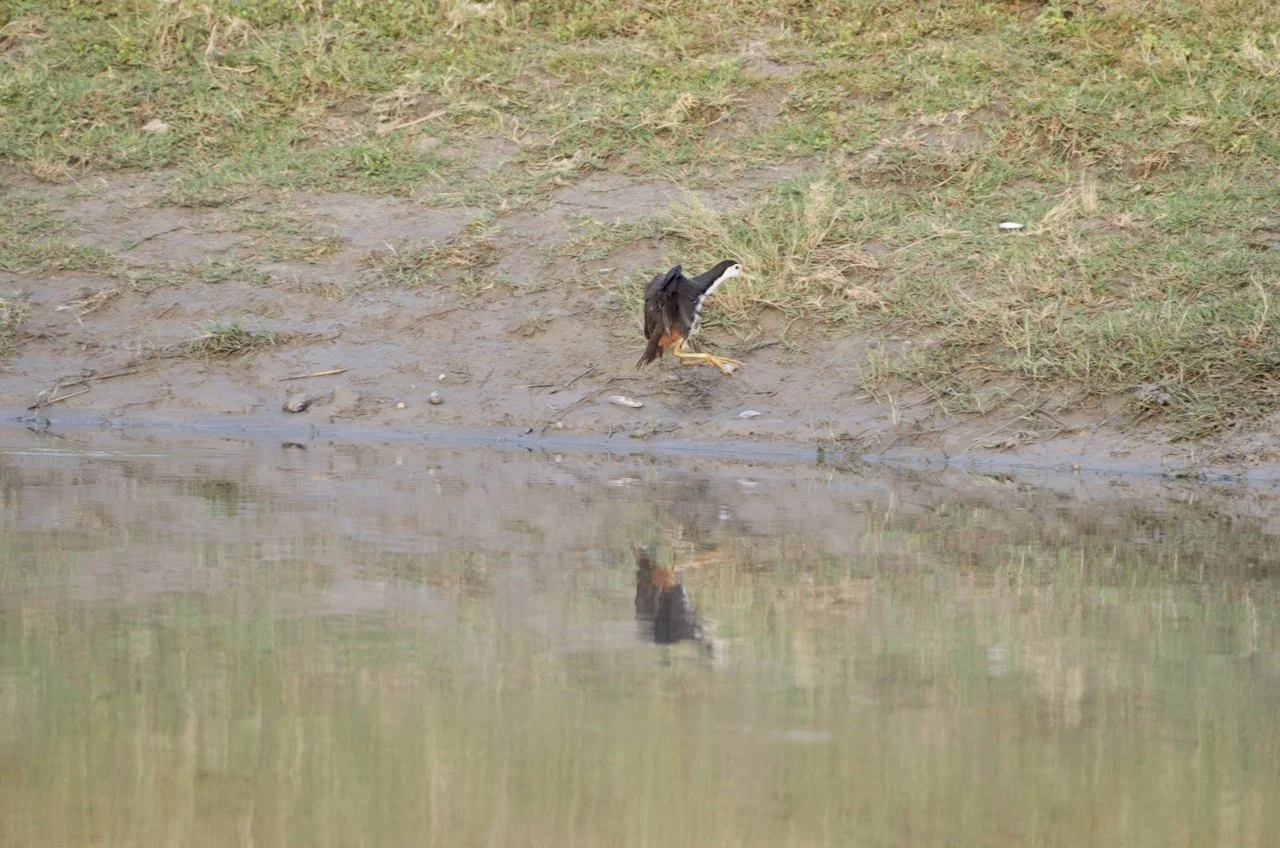
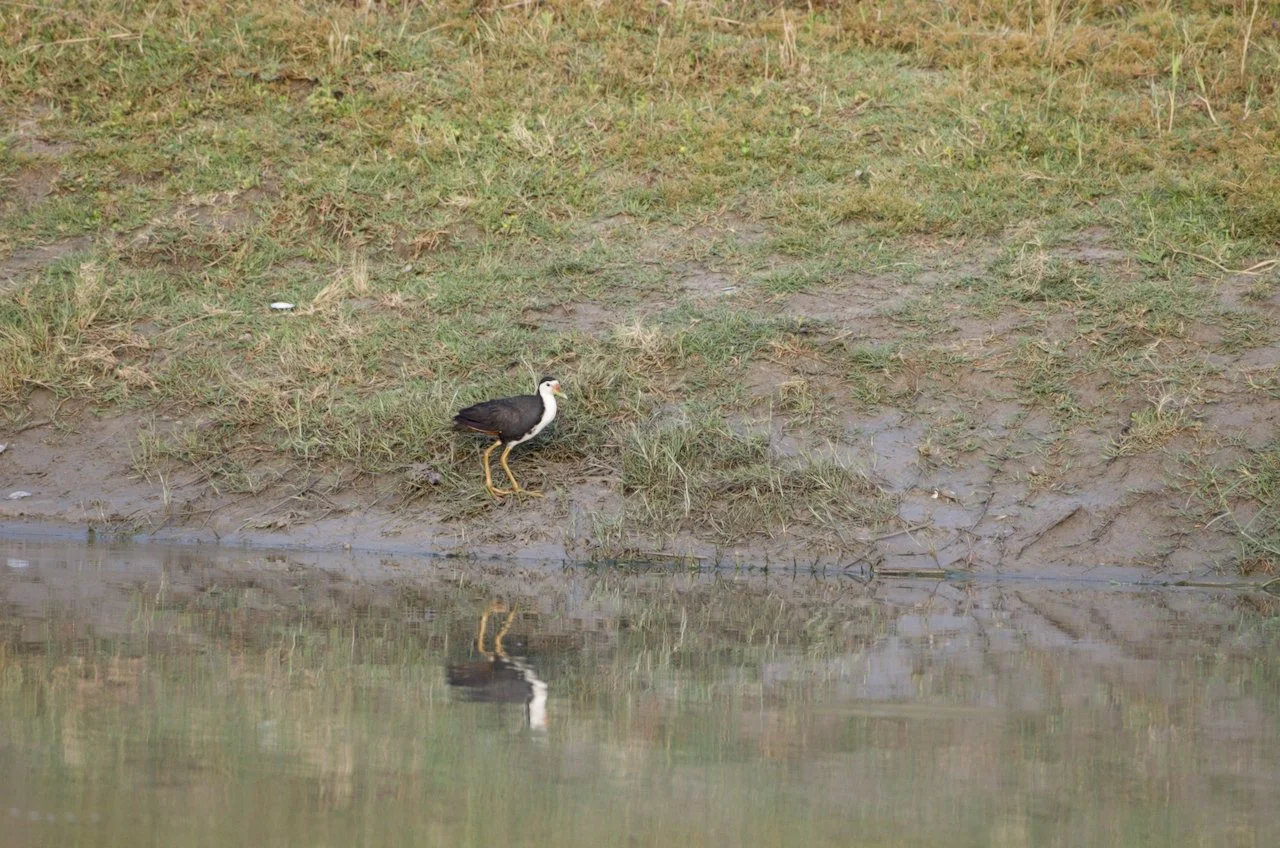
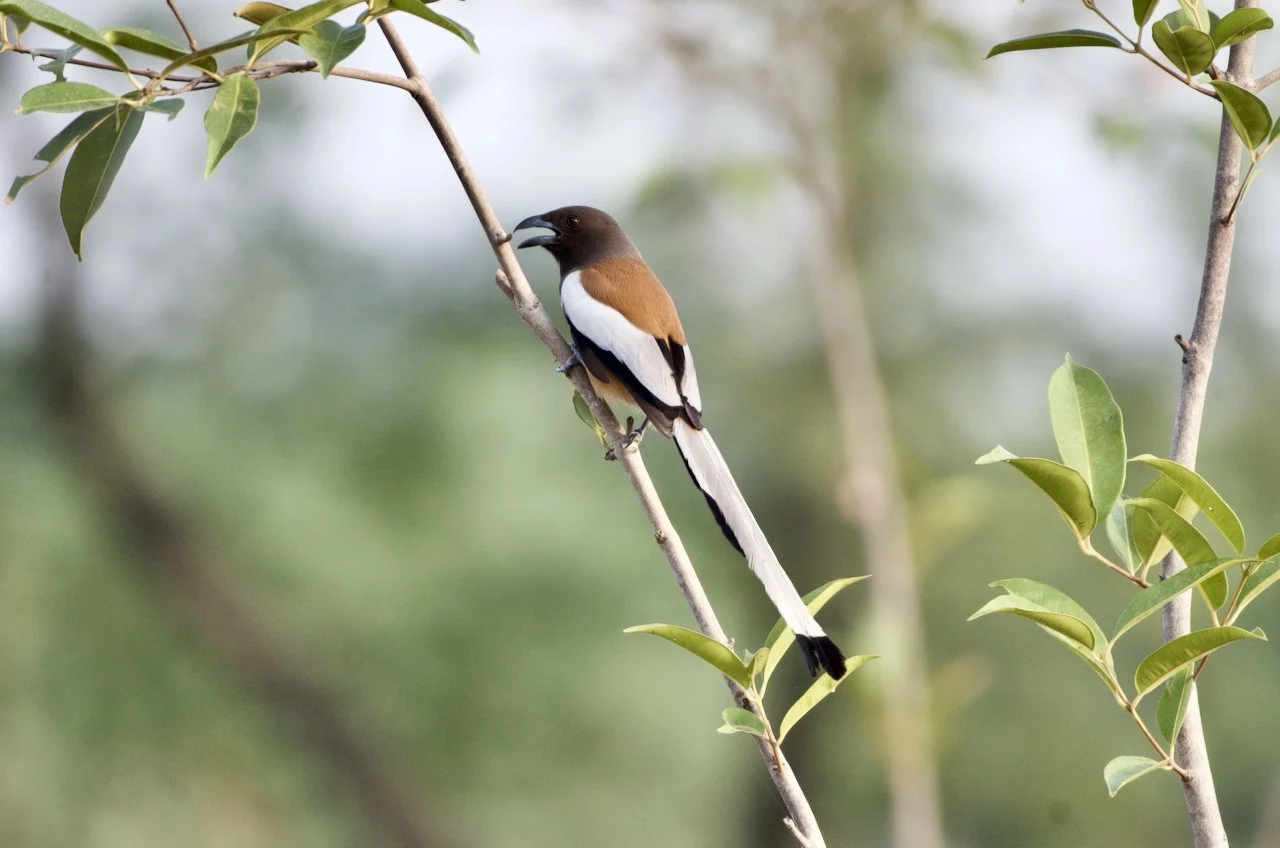
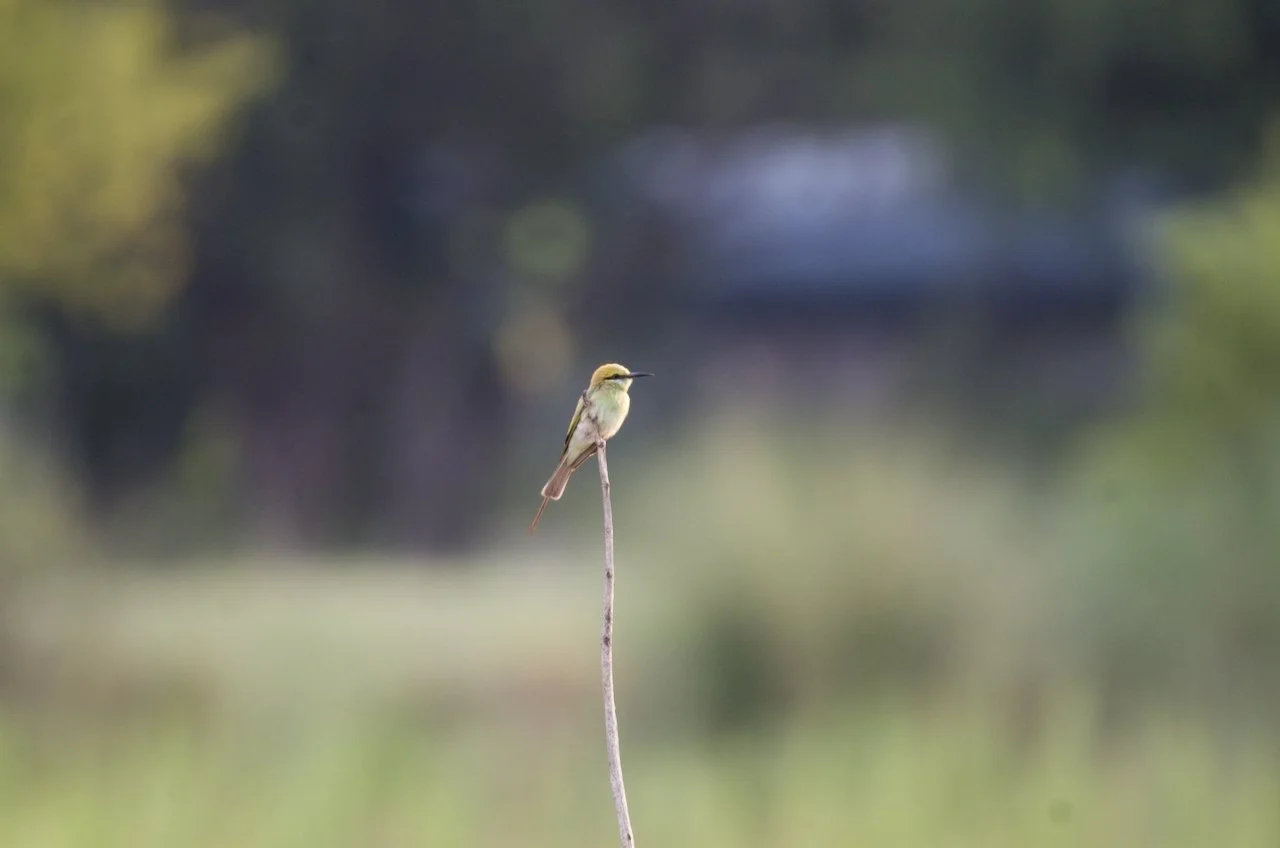
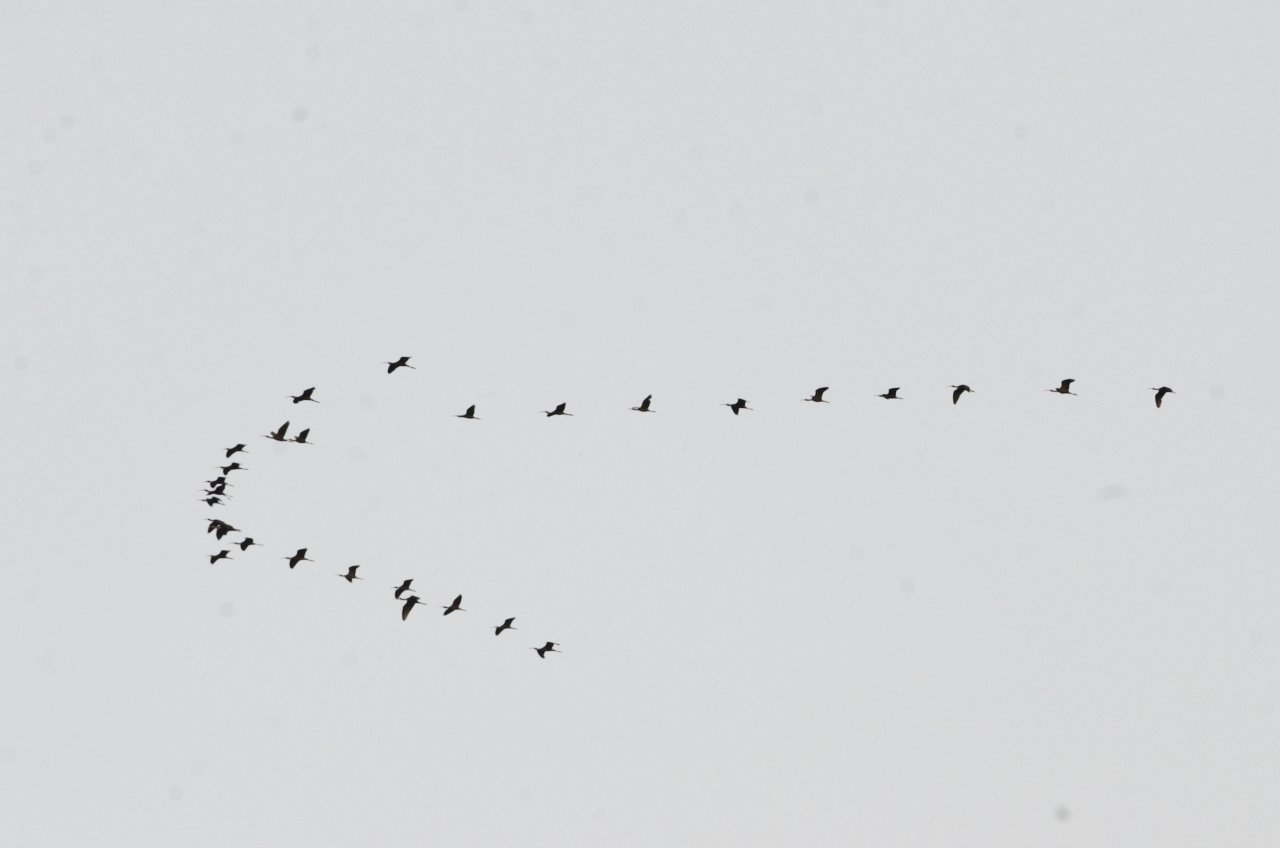
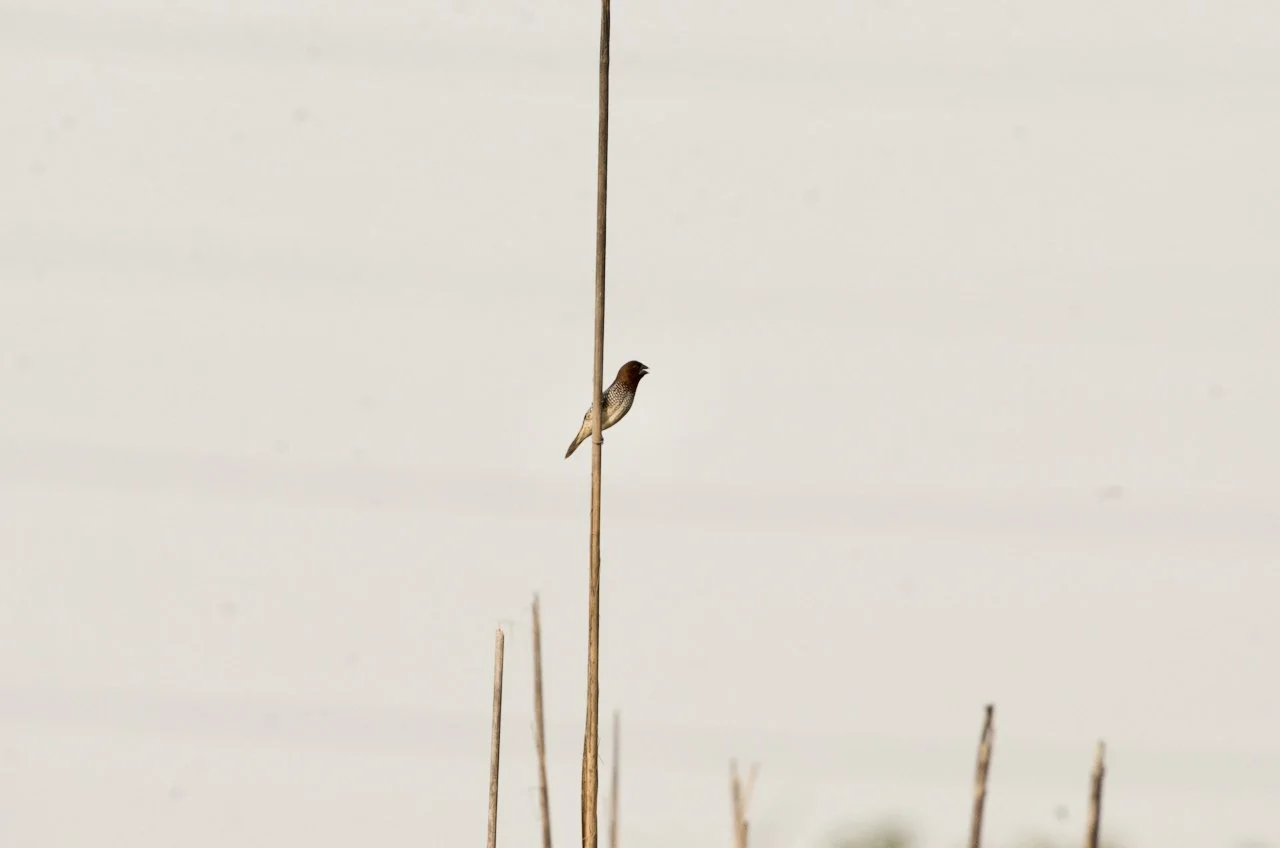
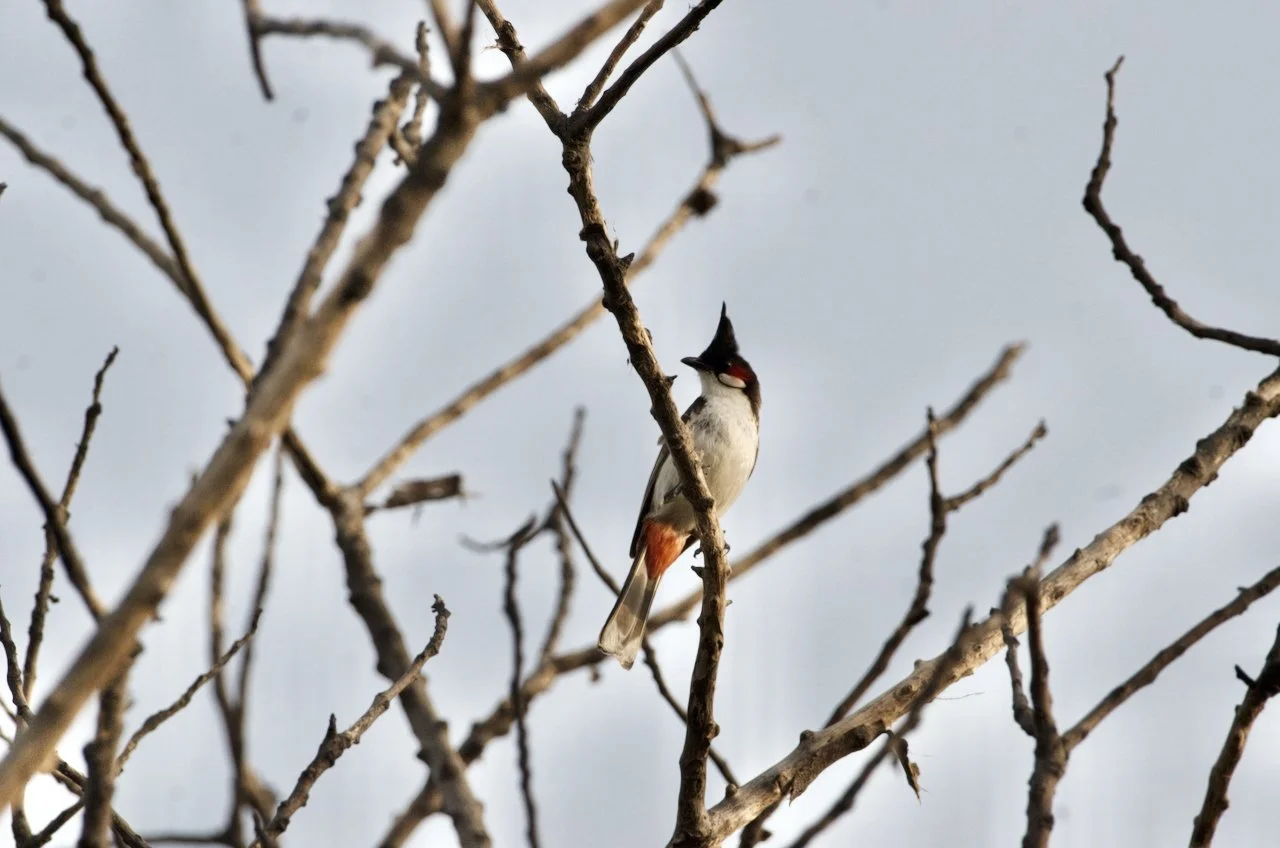
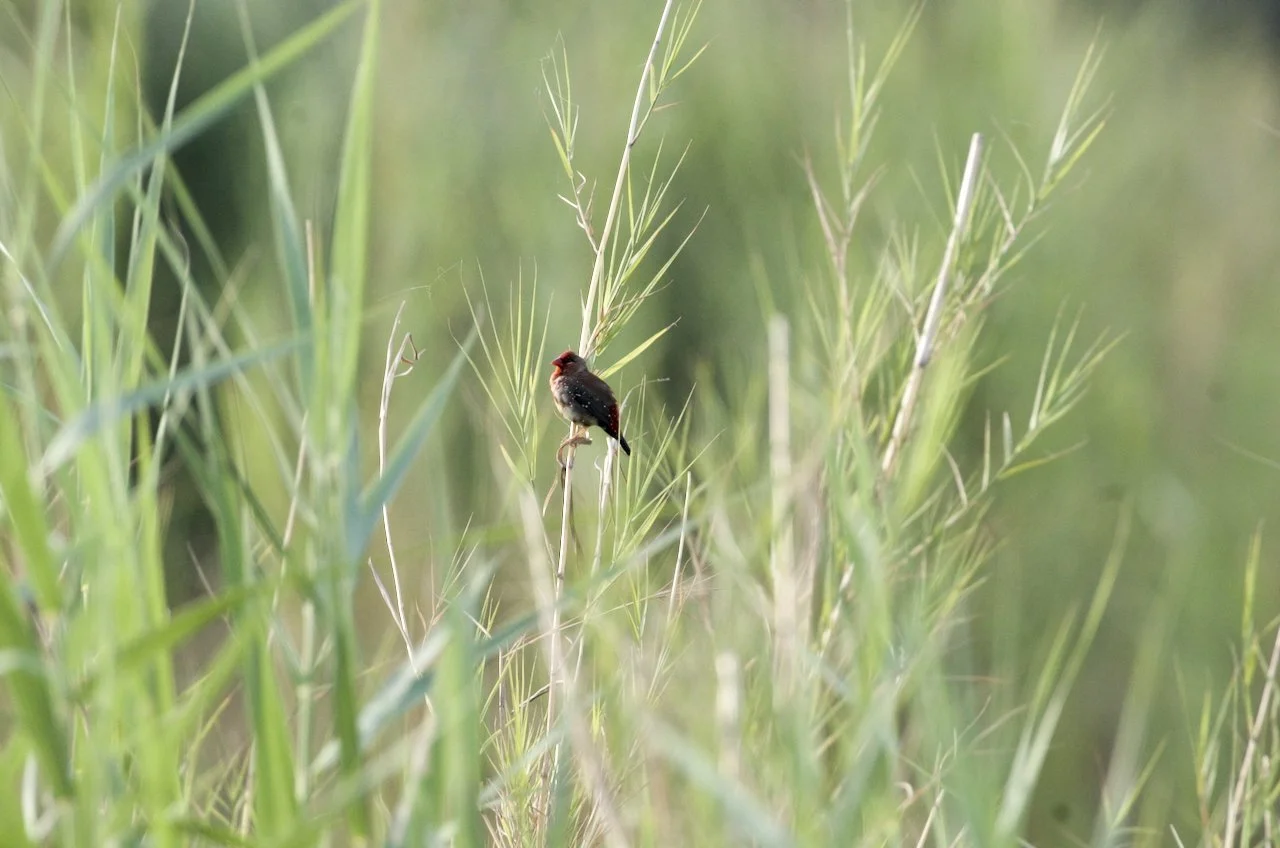
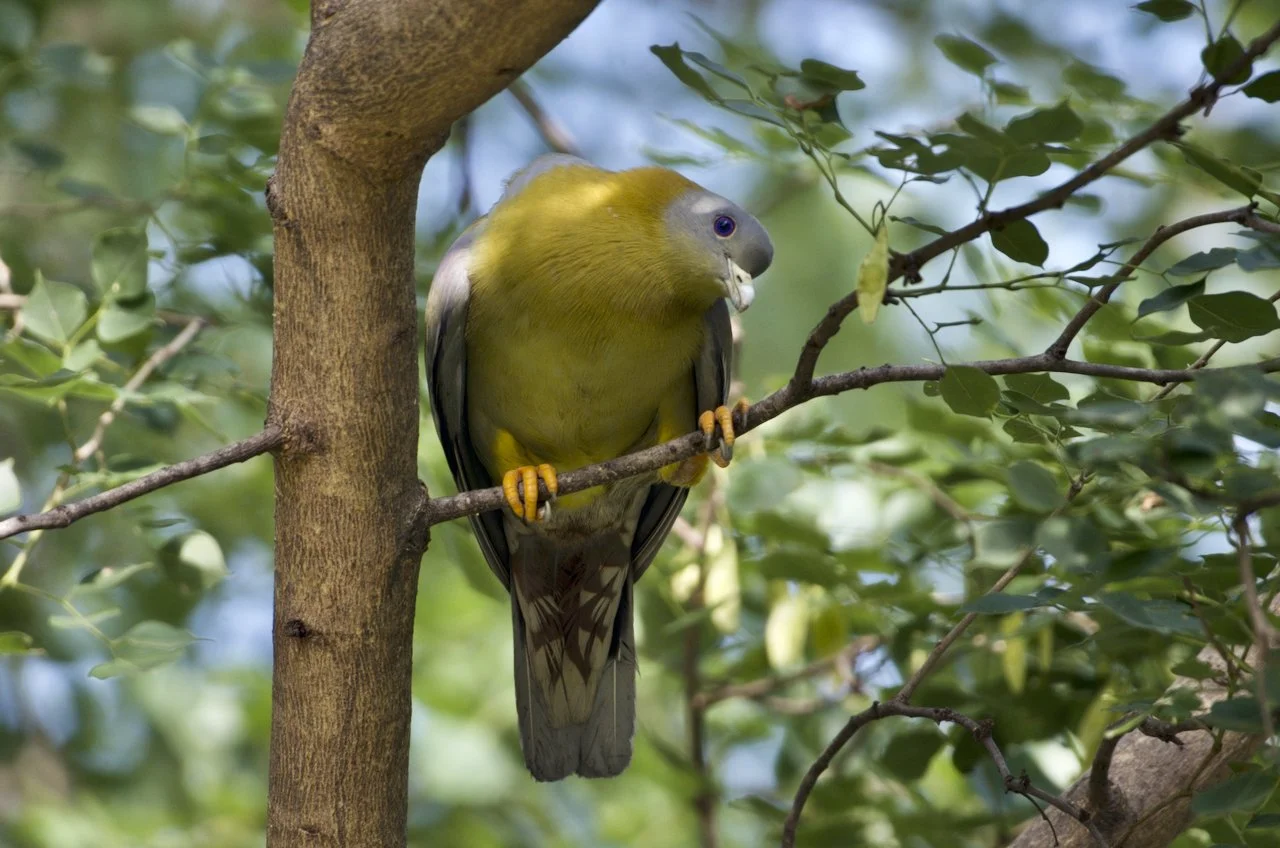
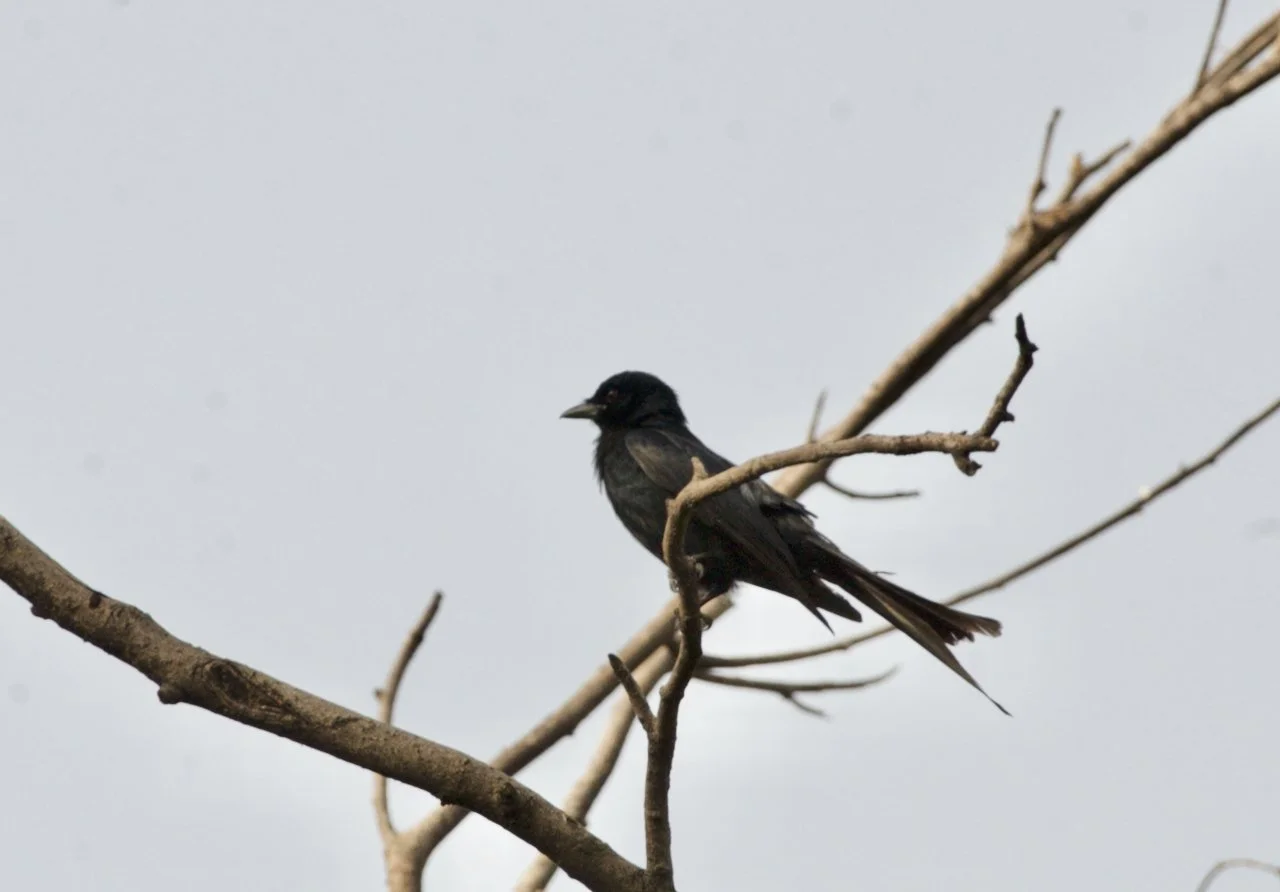
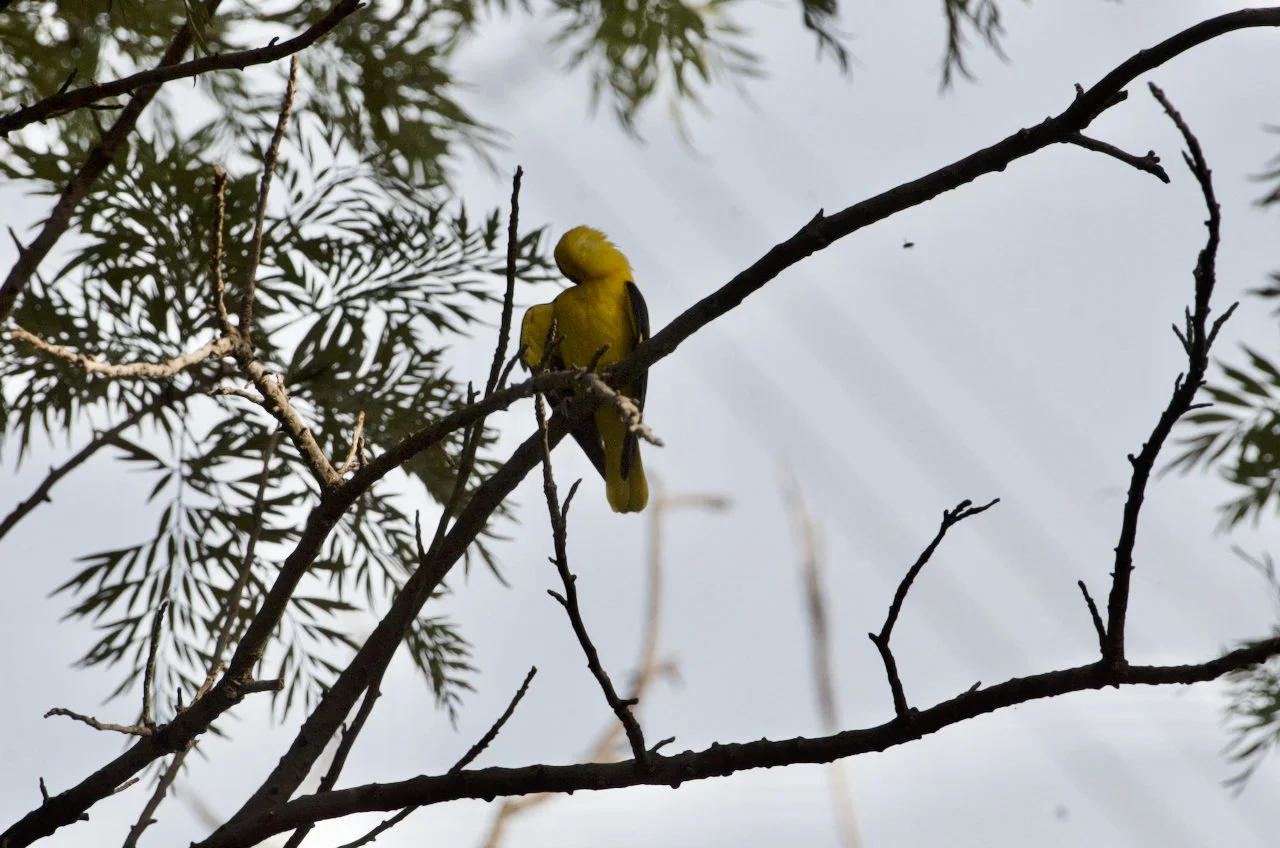
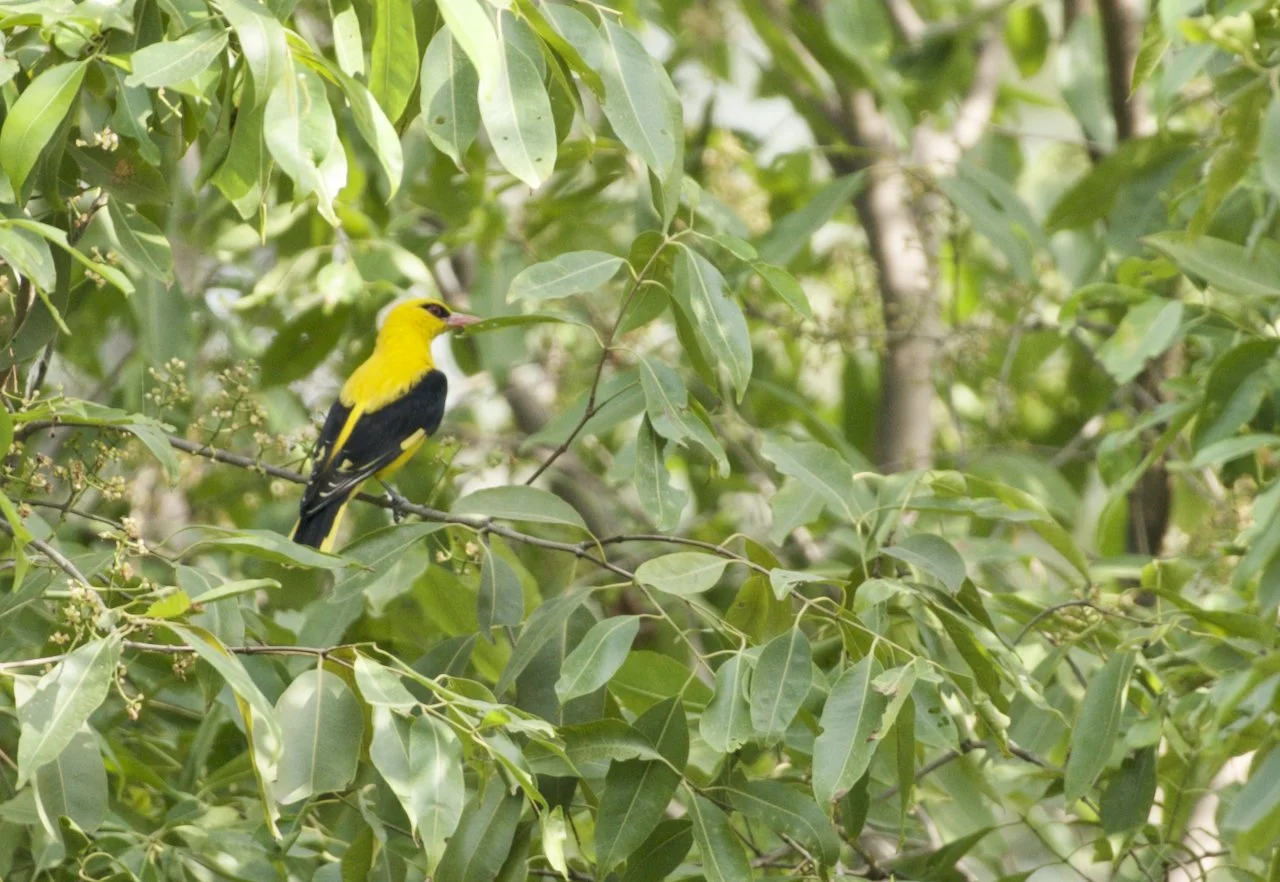
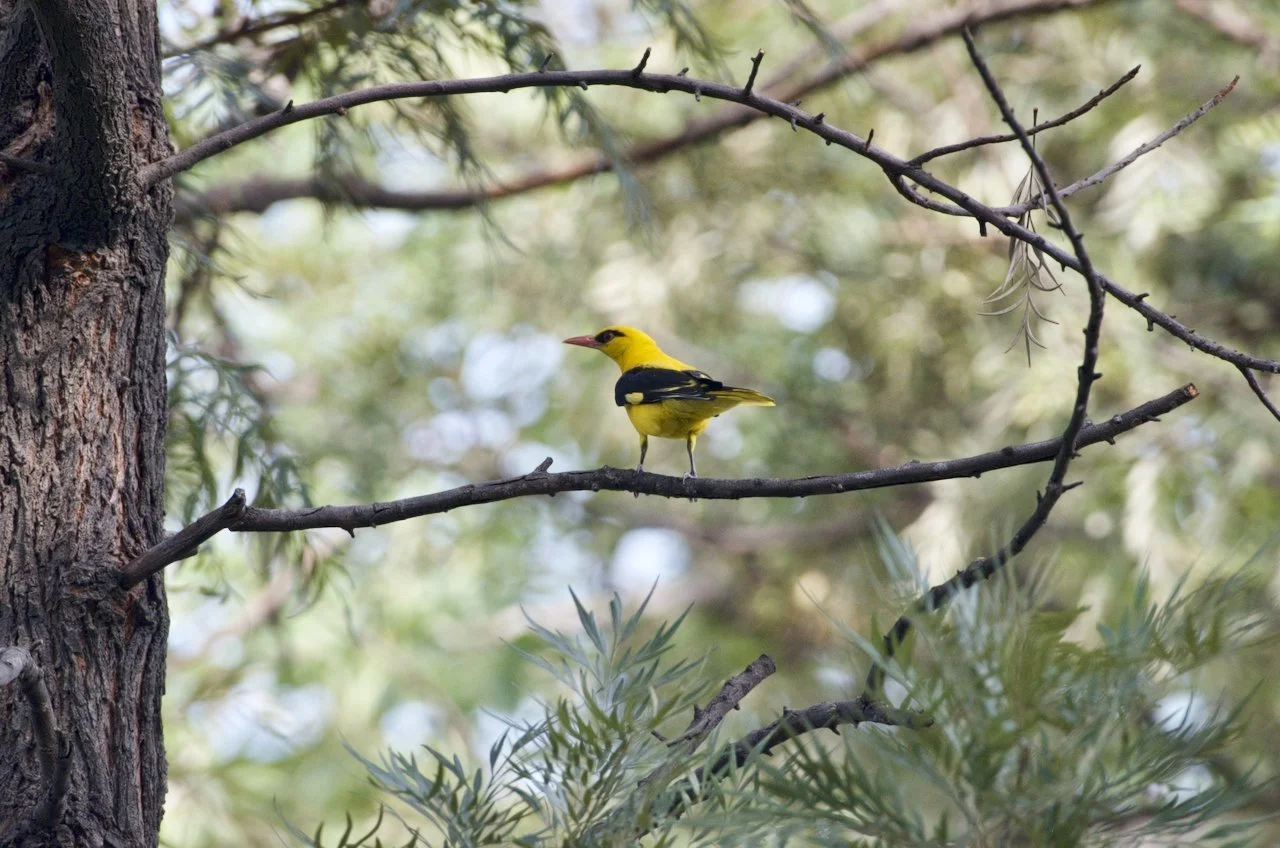
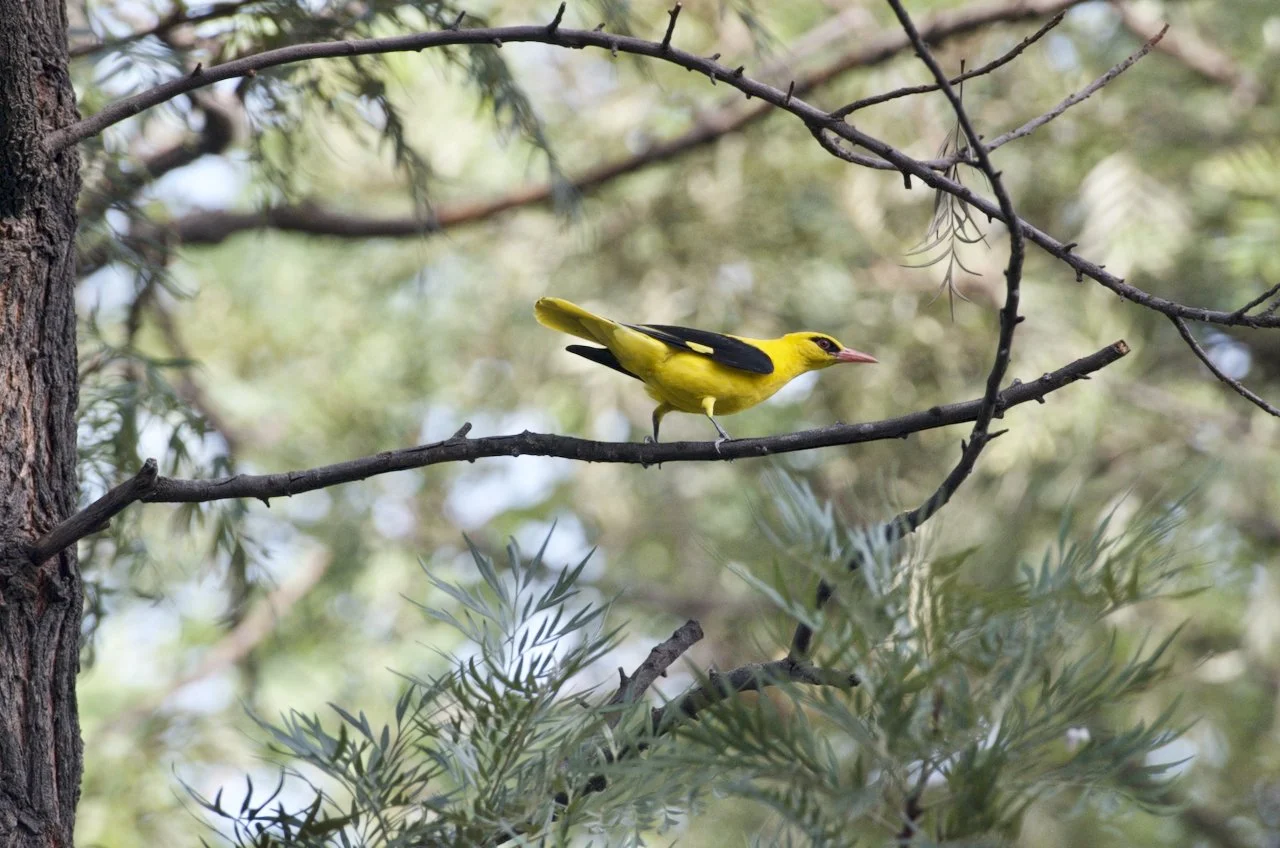
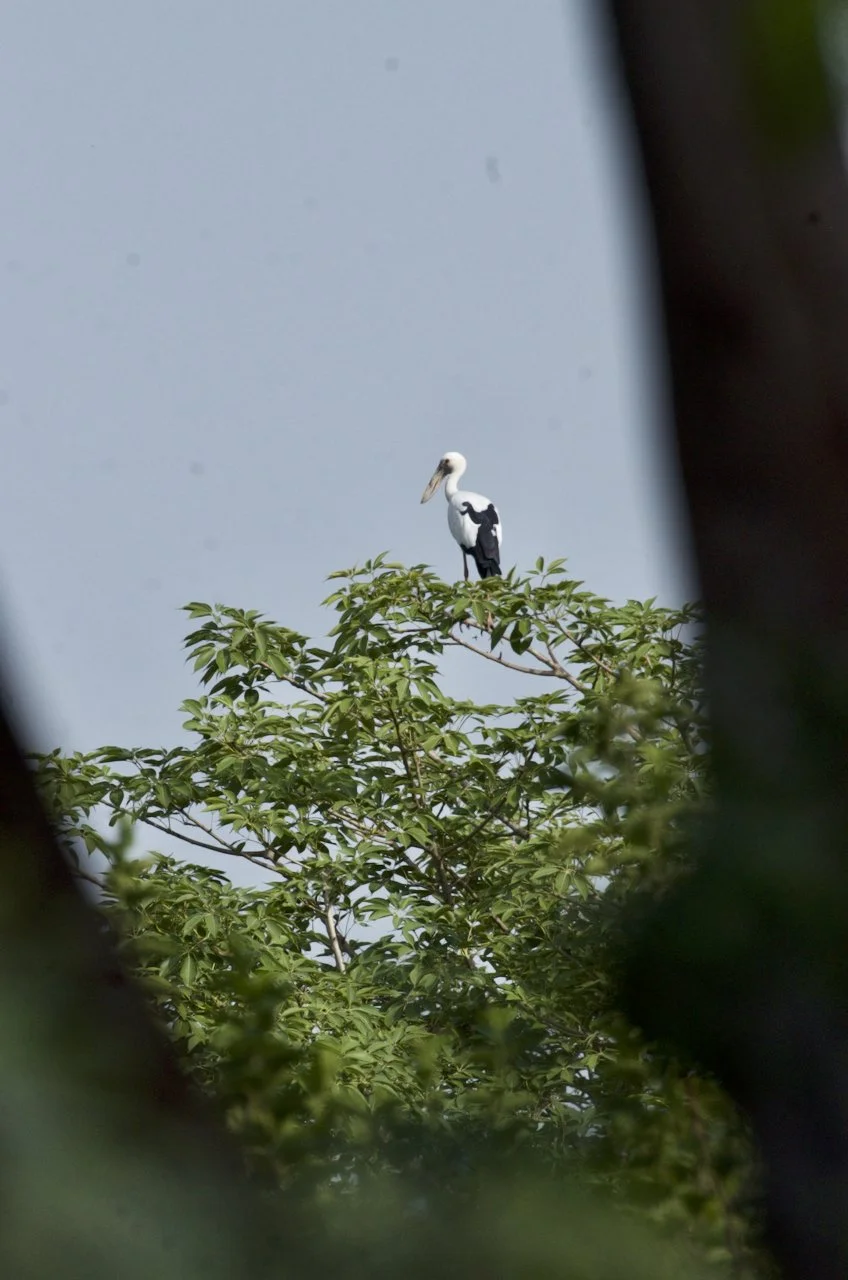
Before starting, Mr. Deepak Kumar again reminded us to download the Merlin application for bird identification and, eBird and iNaturalist application for bird documenting. The park has several trails for daily morning and evening walkers. It has a small pond and most importantly has different habitats to attract different species of birds. Nearby to the pond, we saw few species of birds; Egret, White-breasted Water Hen (Eurasian Moorhen), Rufous Treepie, Grey Heron, Indian Spot-billed ducks, Common Myna, Indian Pied starling, house sparrow, Zitting Cisticola, Paddyfield Warbler, Black Drongo, Plain Prinia, Ashy Prinia, and we could see many Red-Wattled Lapwings, Scaly Breasted Munia. I was able to capture flying pictures of egret and lapwings. The pond is surrounded by many varieties of shrubs. In the shrubs we found many red-spotted bill, Indian SilverBill, Weaver bird, Asian Green Bee-eater, House Sparrow, Black Drongo. For the first time, we saw a pair of mating Silverbills and taken several good photographs. After crossing the pond area and walking a few meters farther, we encountered a different habitat for birds, where large trees dominated the landscape. In this habitat, we spotted a male and a female Indian Golden Oriole. It was my first time seeing this beautiful bird bird and was able to capture some wonderful pictures of it.
By the end of the birdwatching walk, the sunlight had become scorching, so we end the session at around 9:30 am. Mr. Salil Dutta asked everyone to record a short video testimonial about the event, which would be shown at the Global Wildlife Fare. The whole event was very well planned and well organized, we gained a lot of knowledge from Mr. Deepak kumar and Mr. Salil Dutta.
Basic amenities in the park
1. Good jogging trail.
2. Car parking available
References
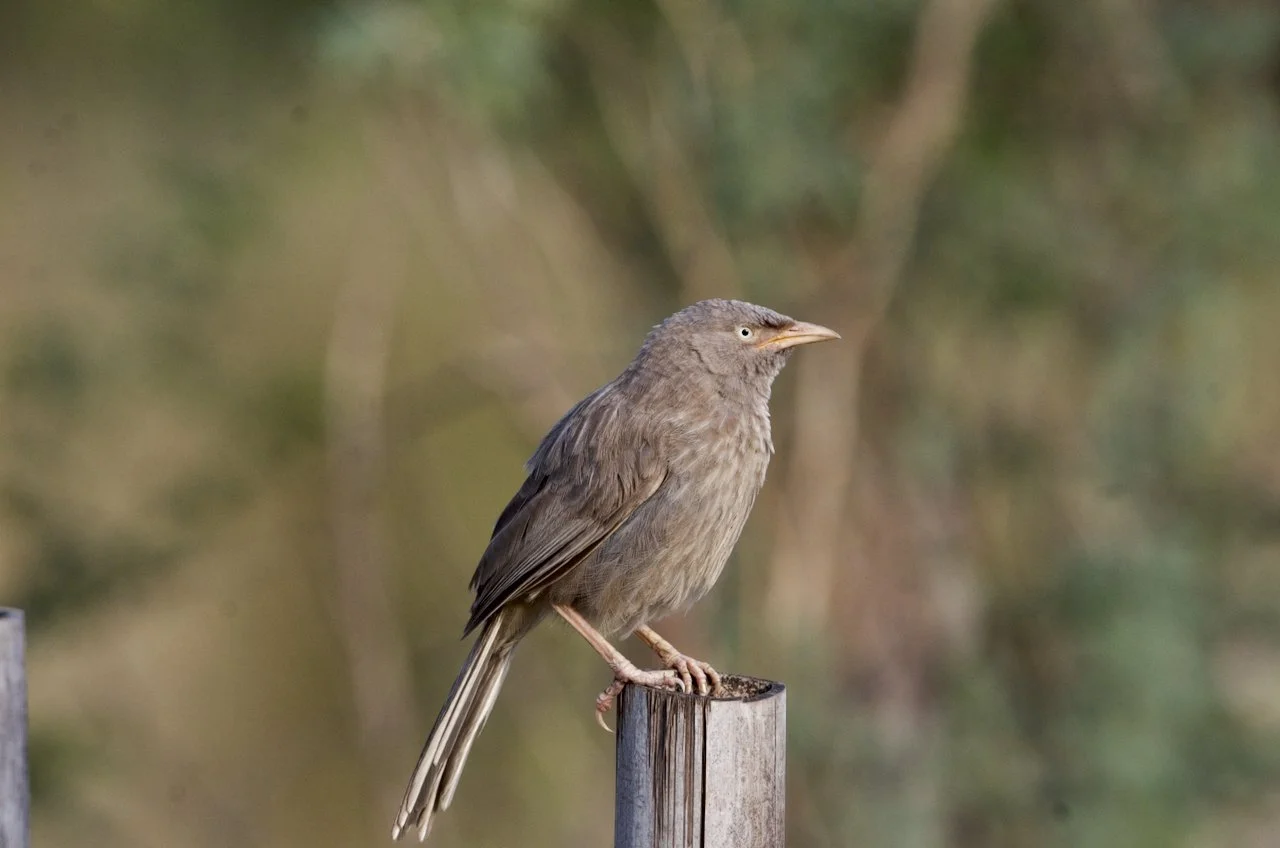
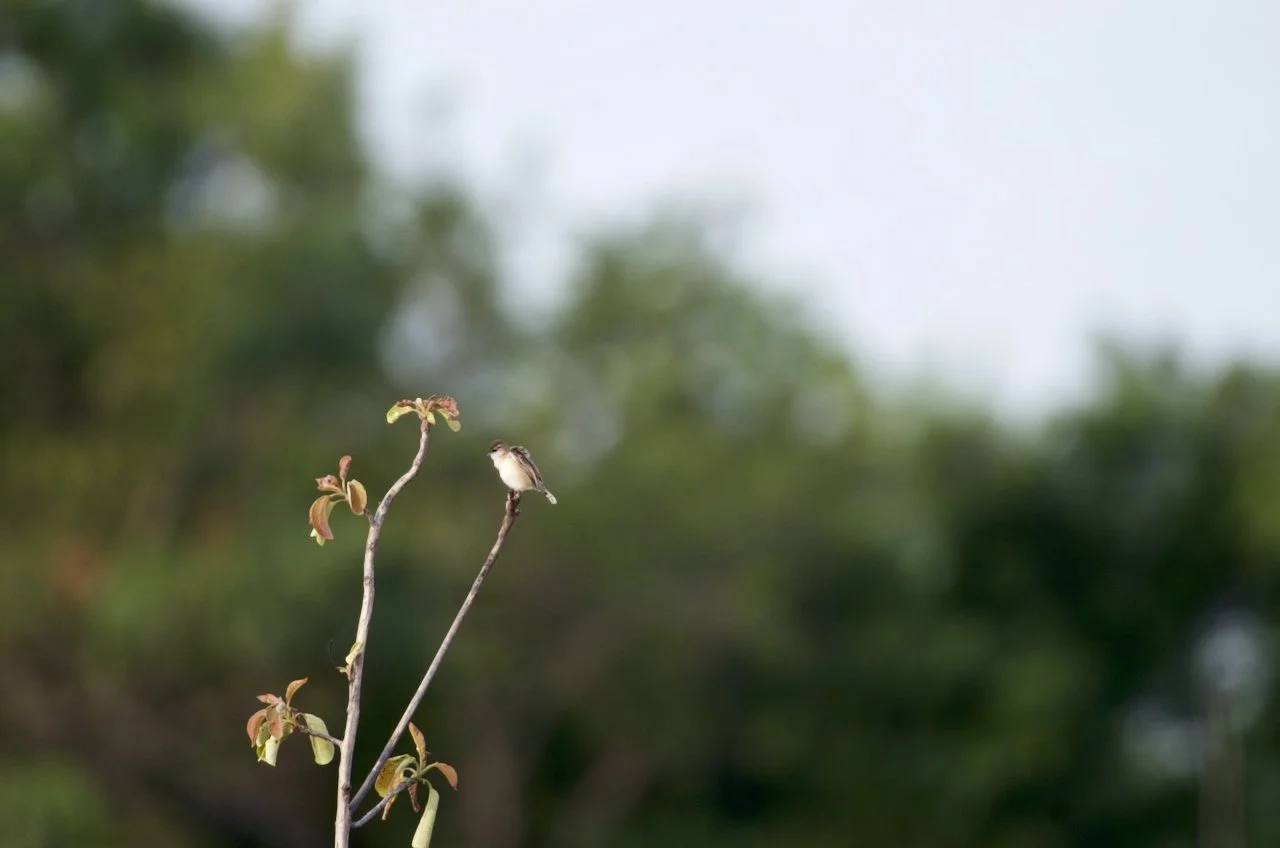
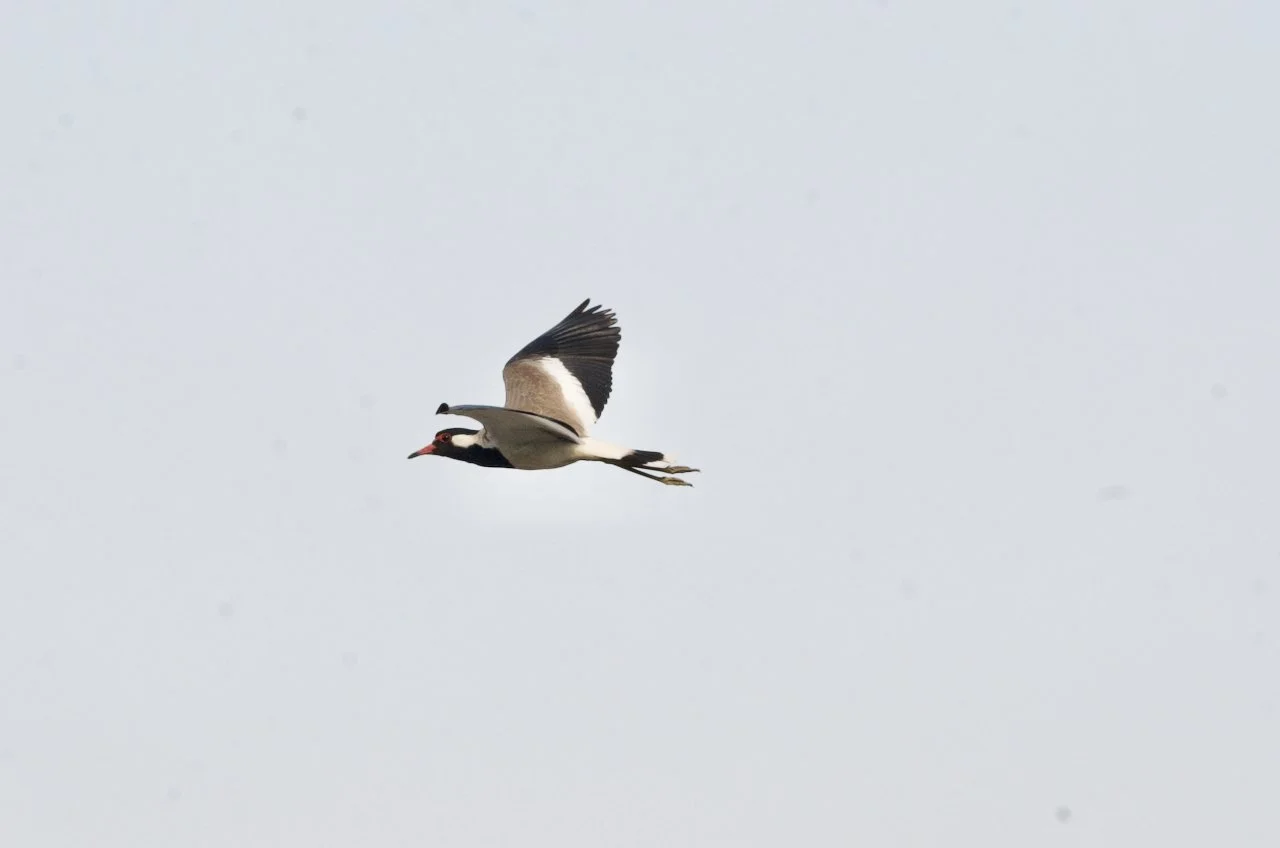
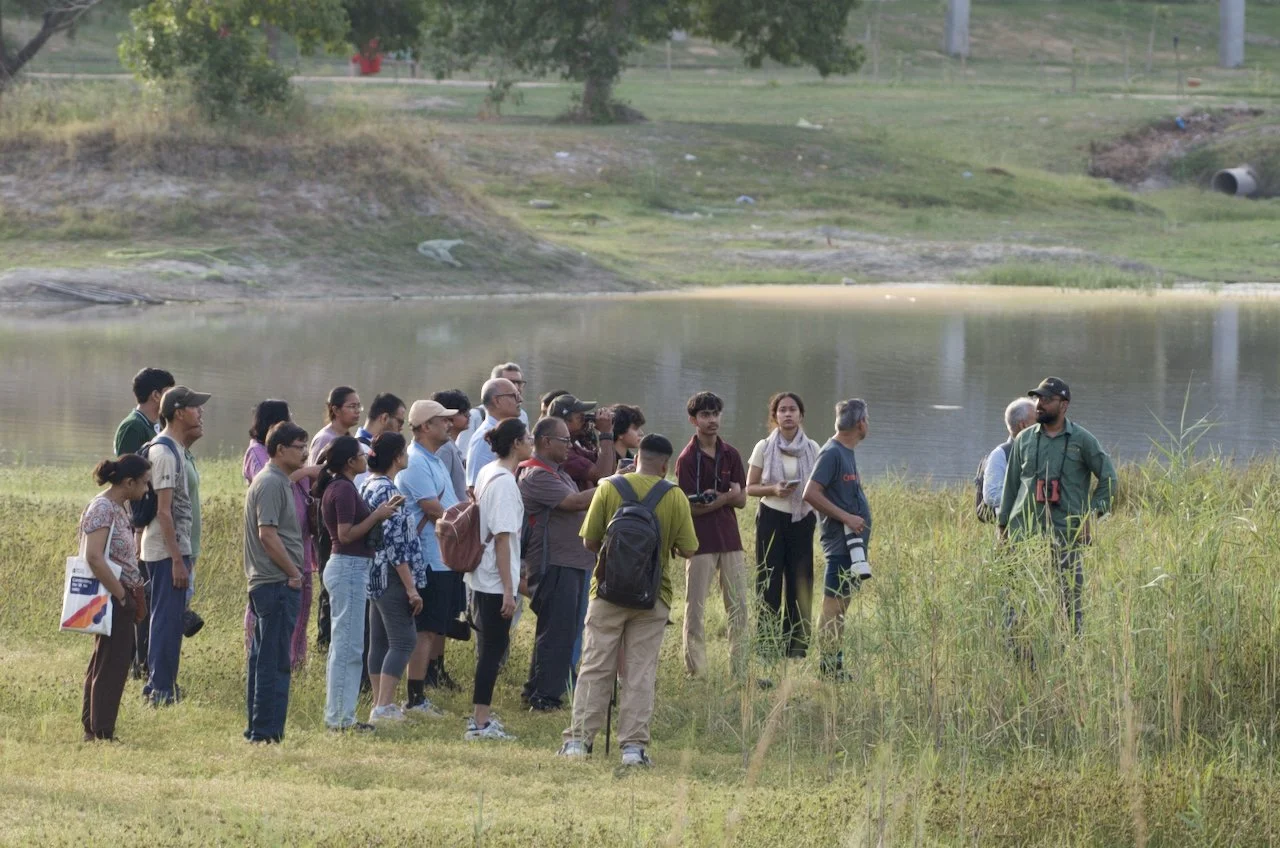
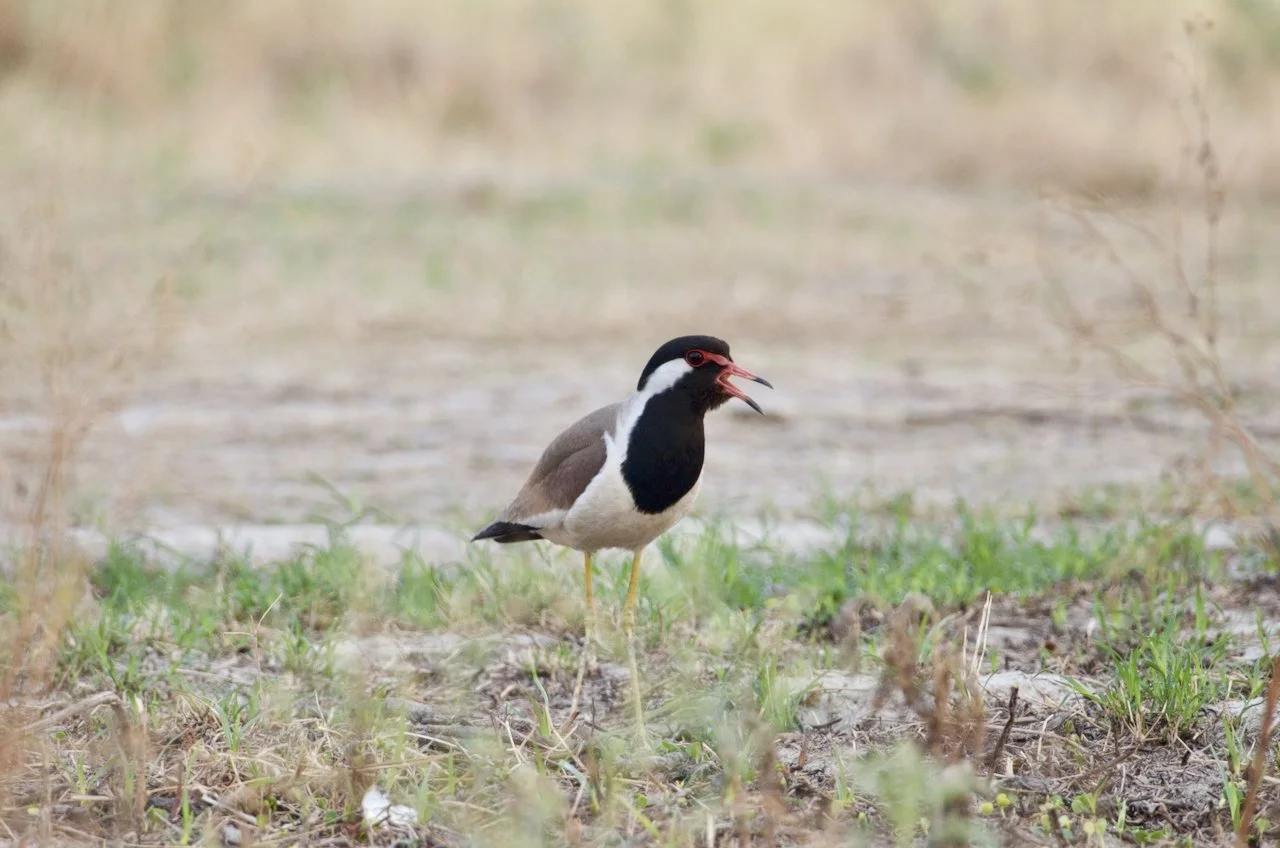
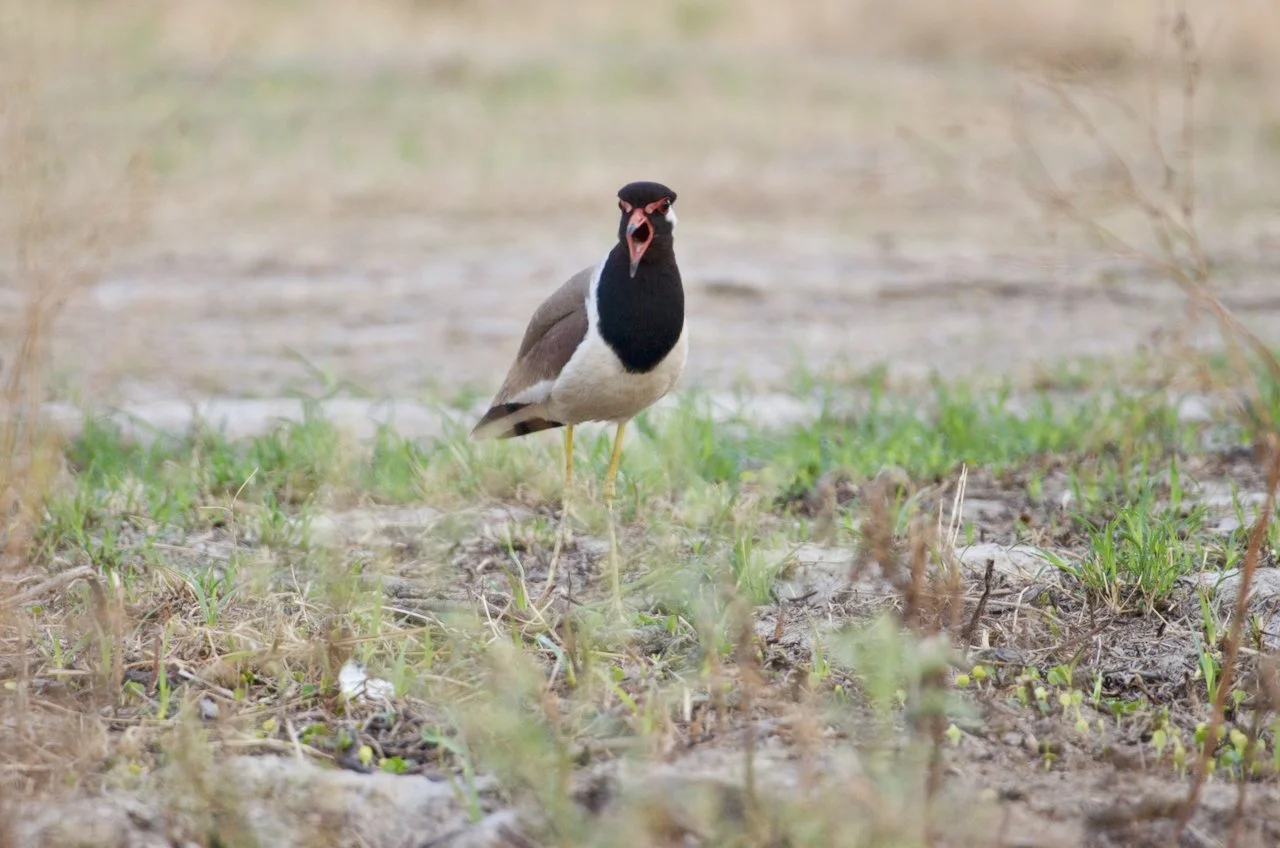
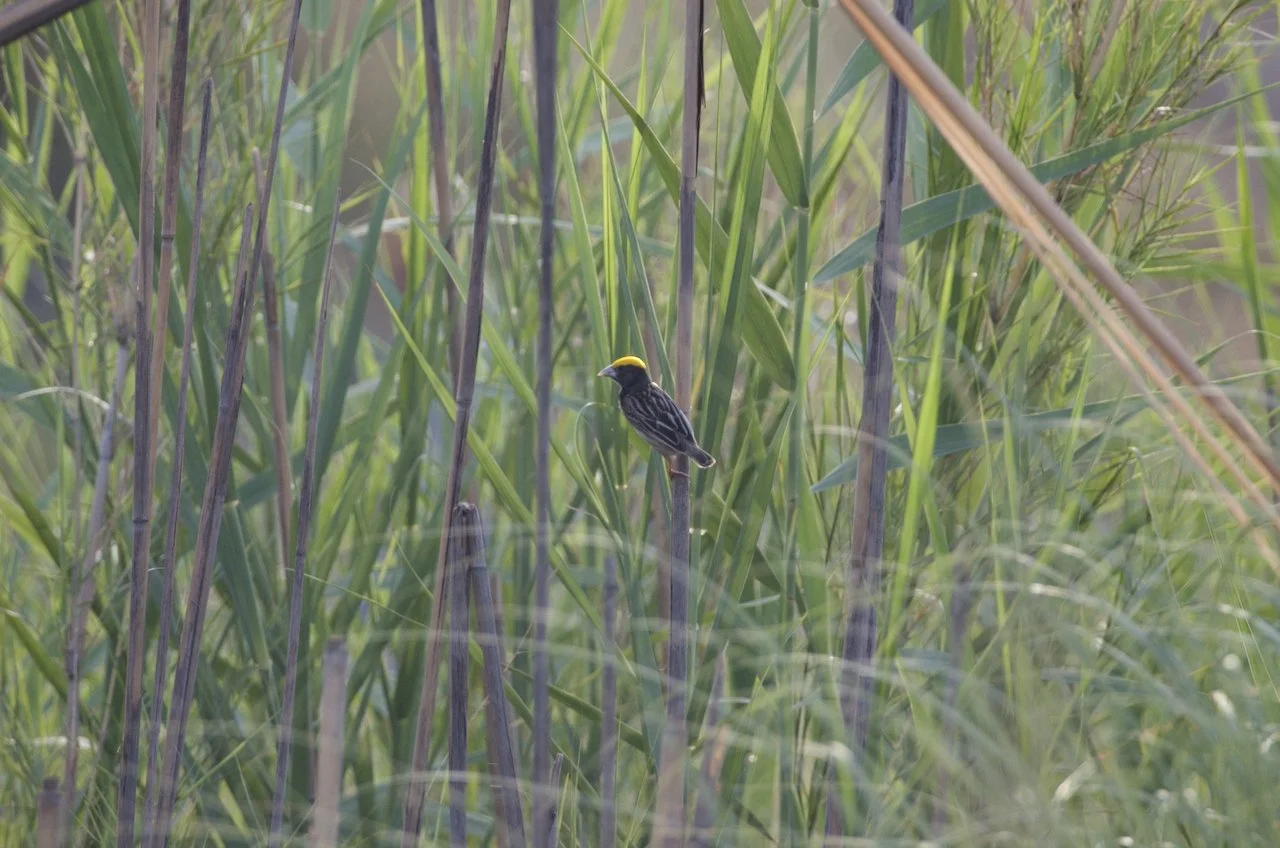
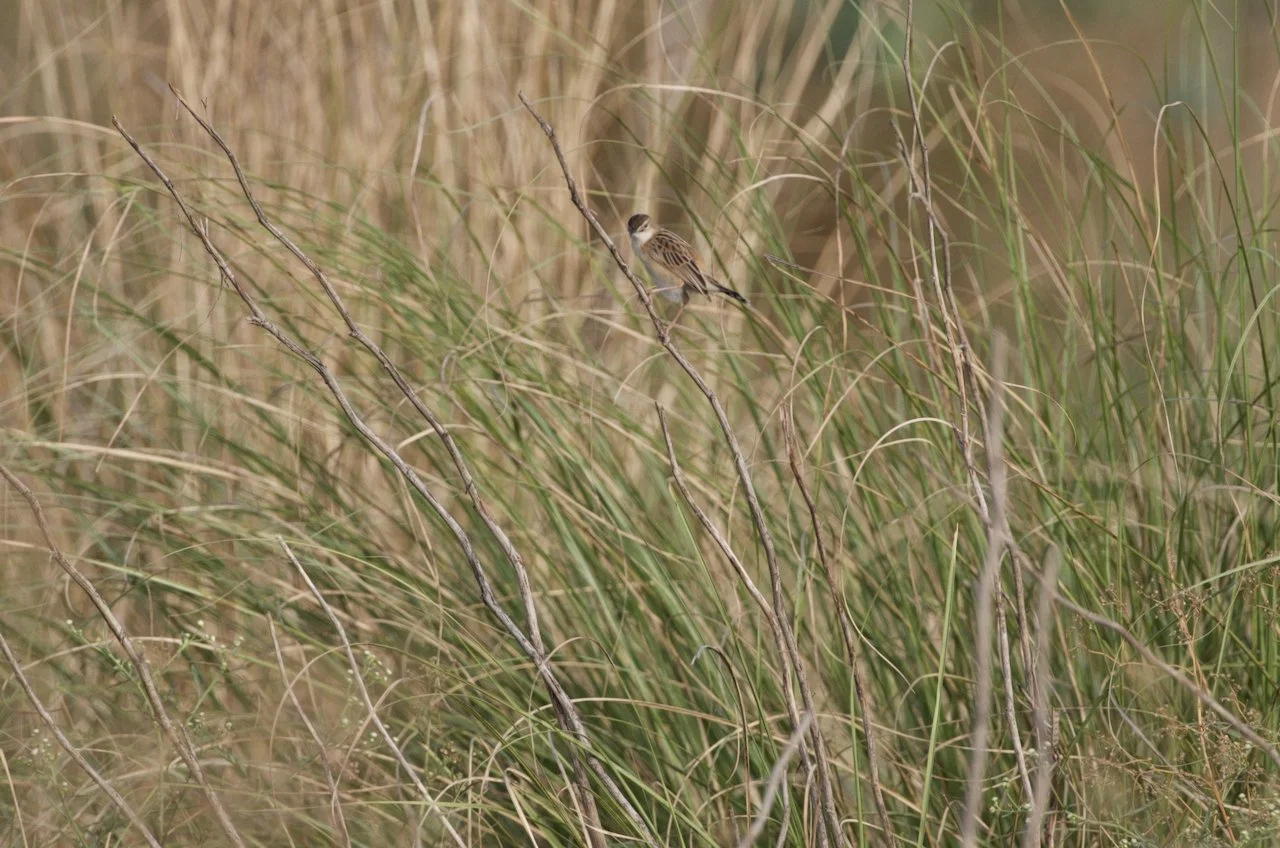
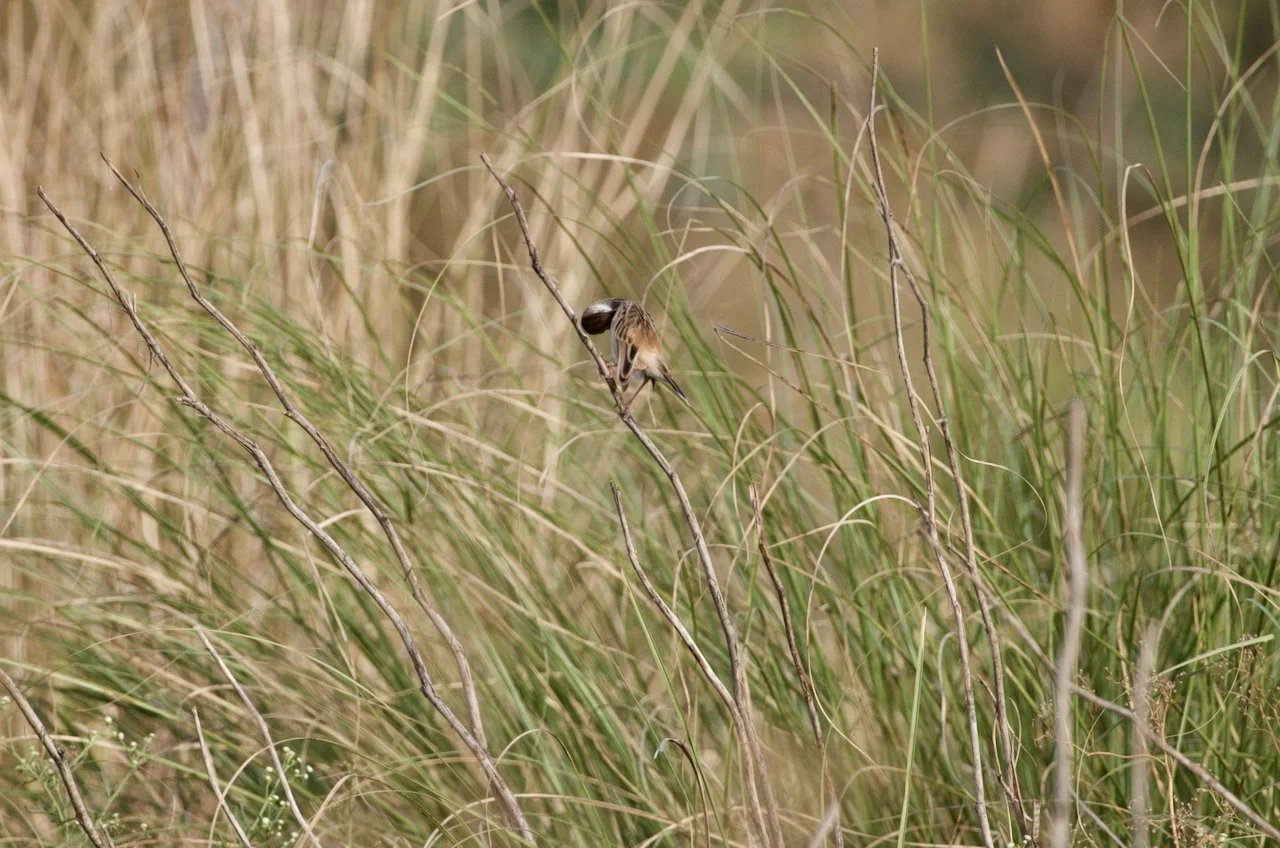
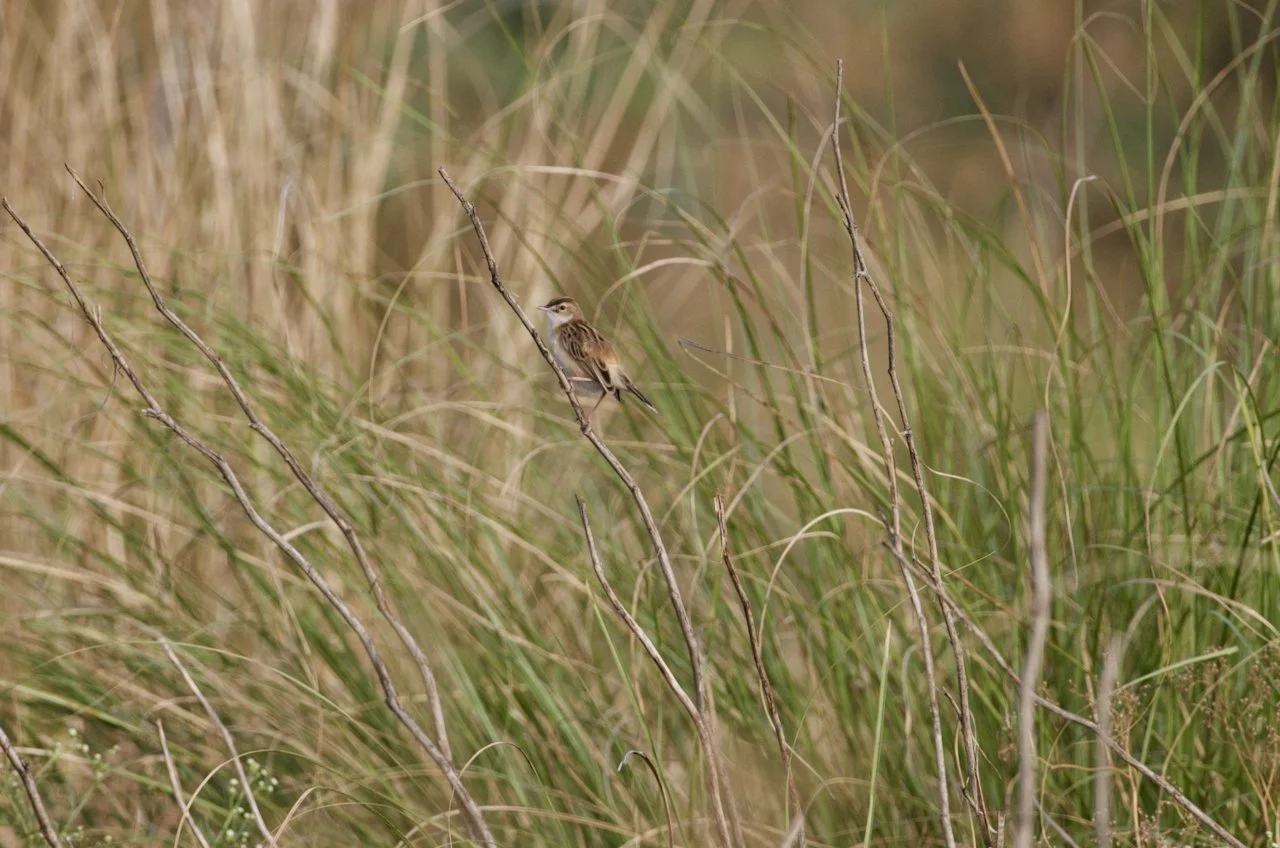
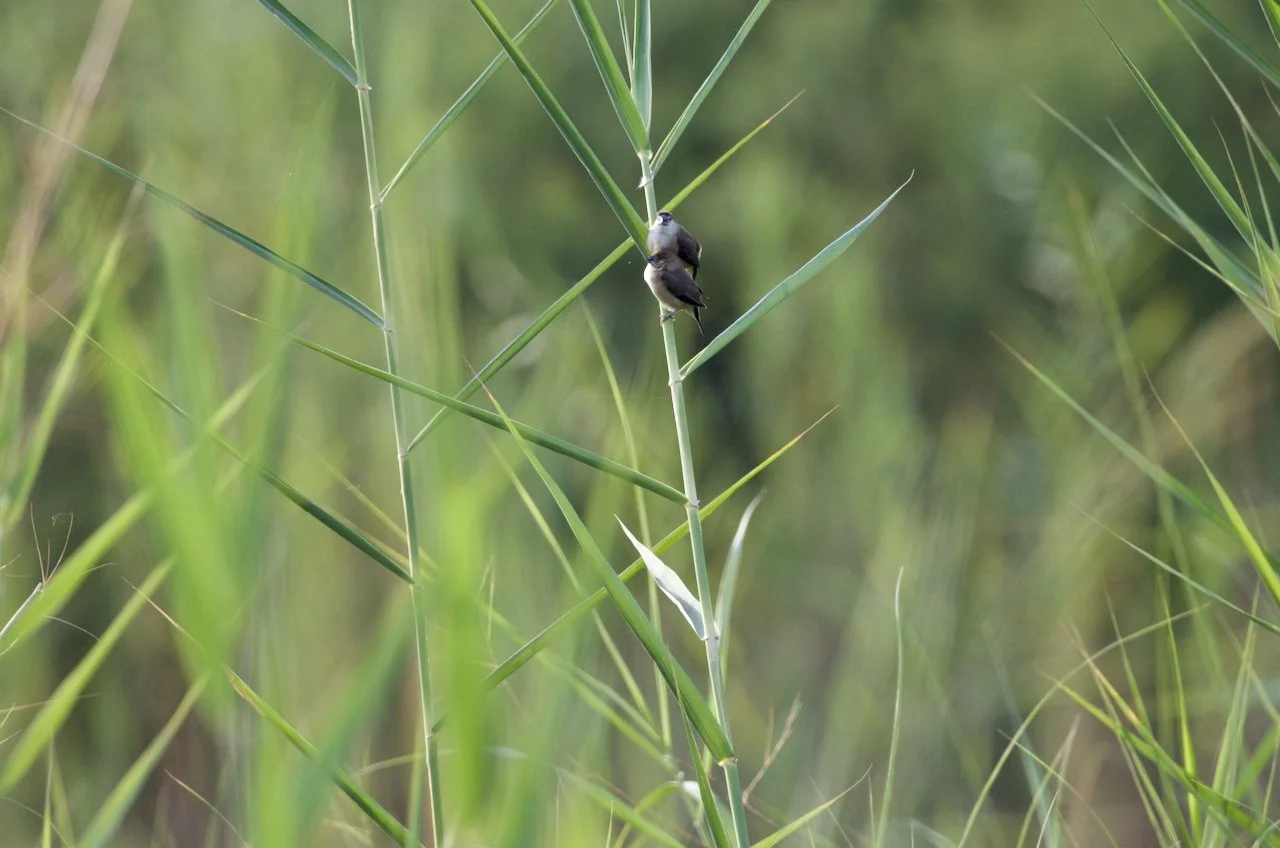
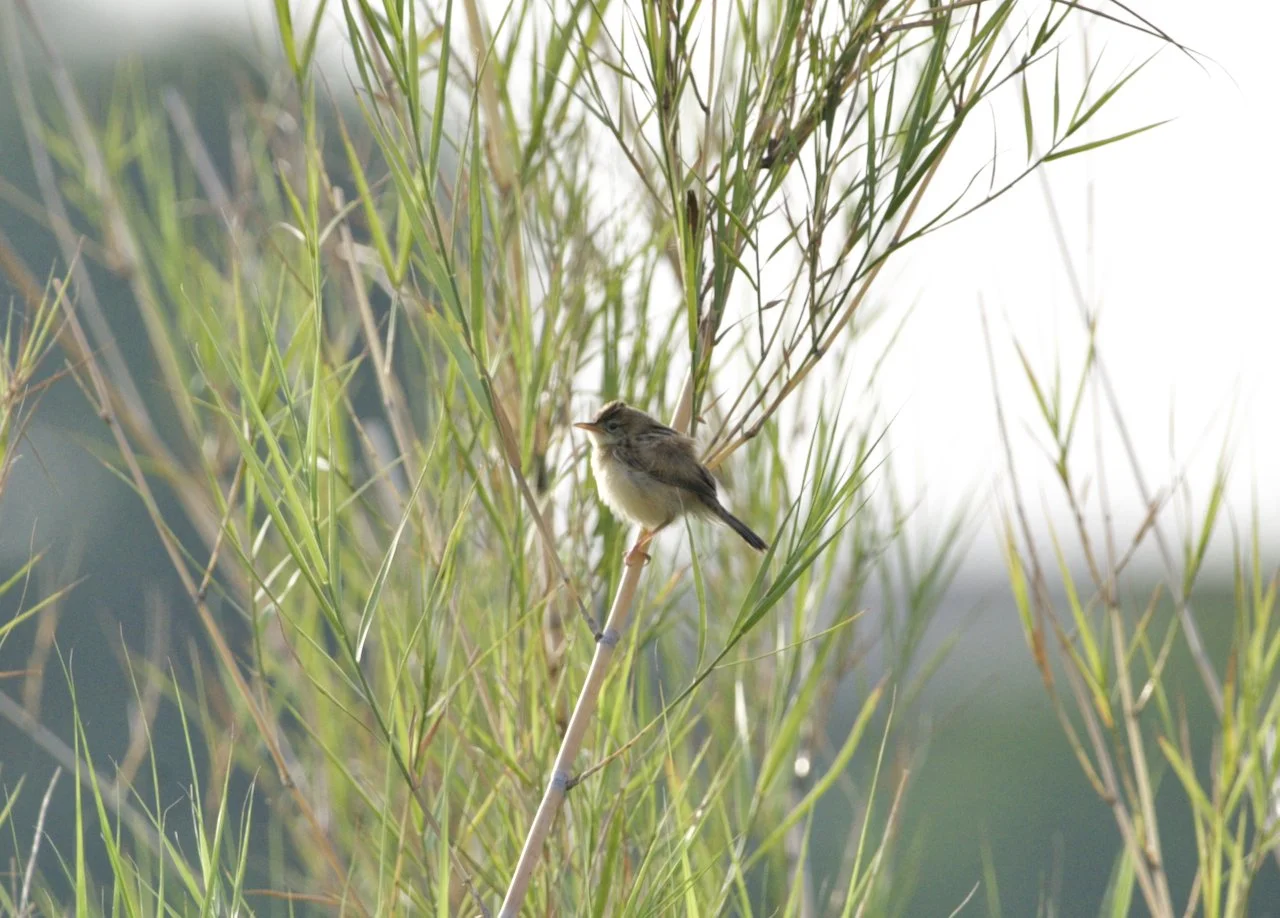
Photos taken by other group members