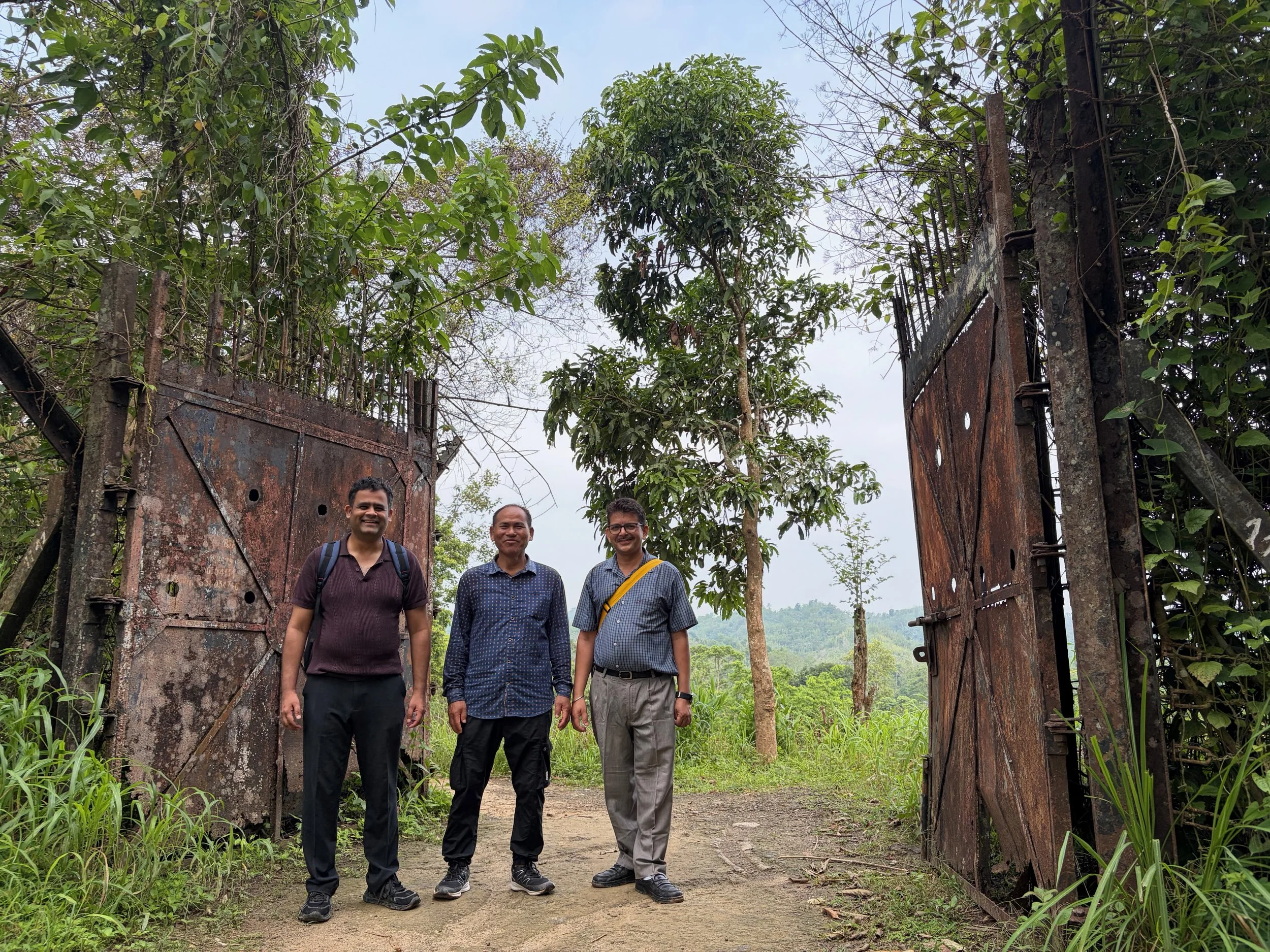
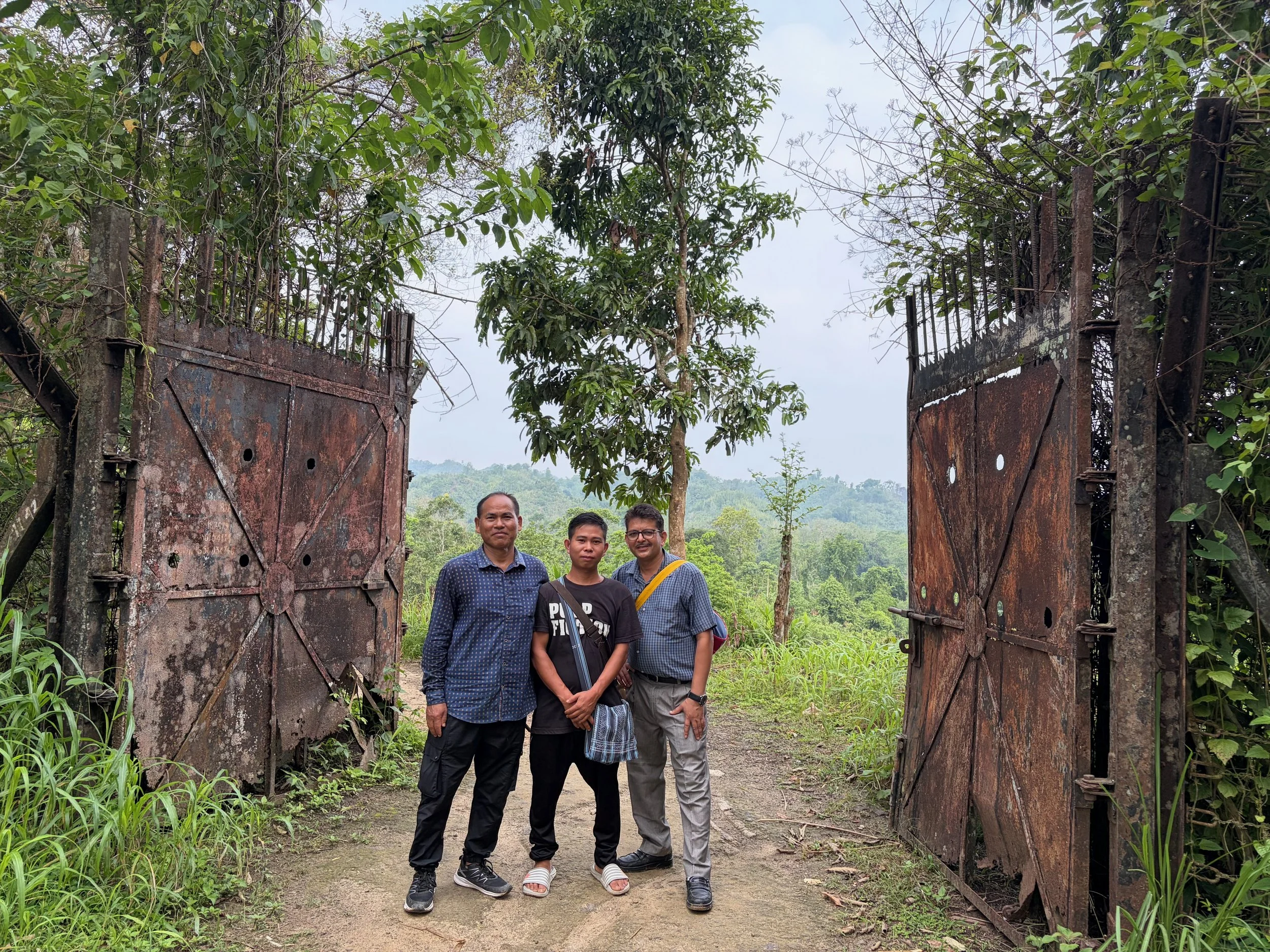
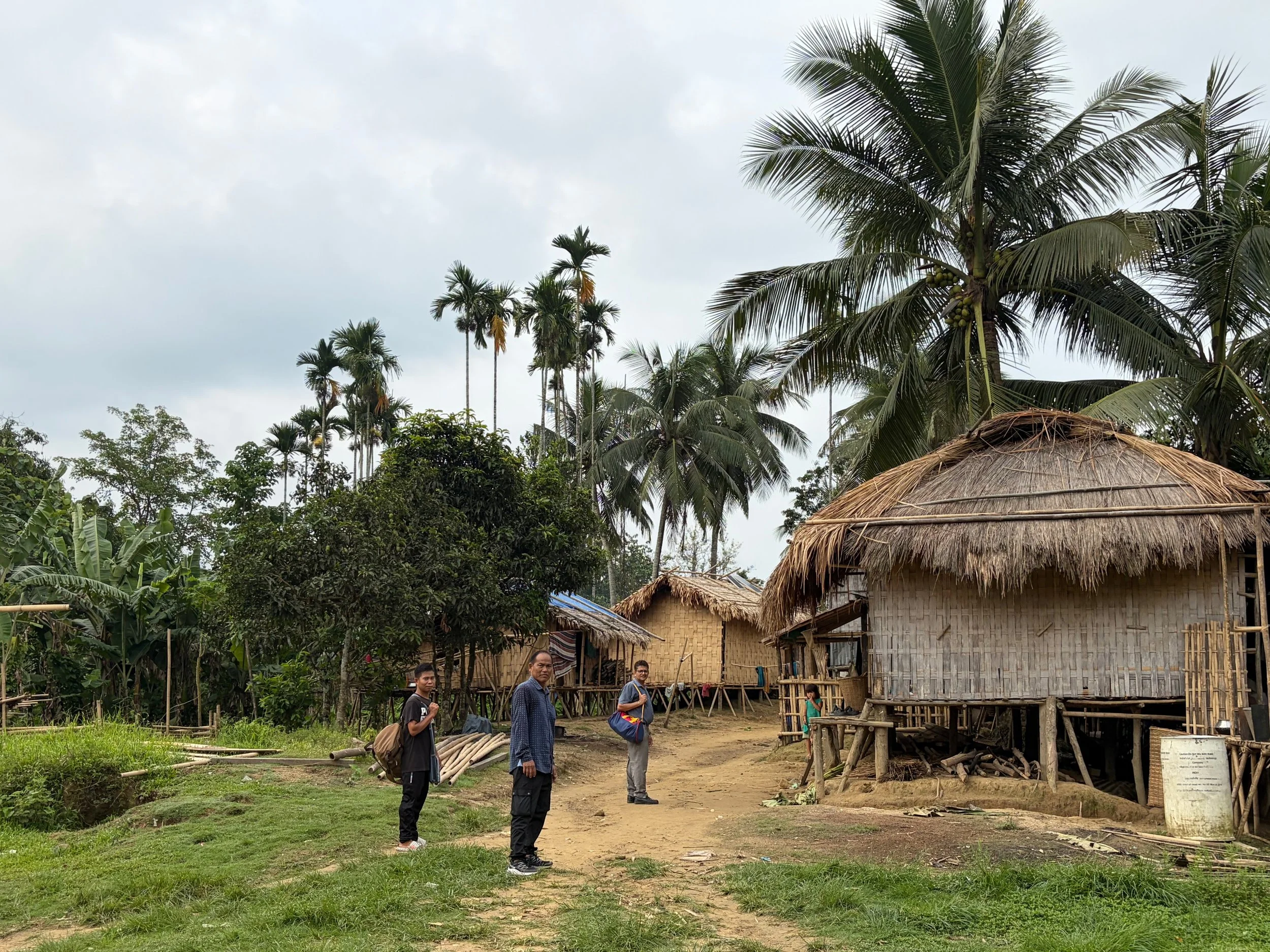
Marpara, Mizoram: An Unexpected Adventure
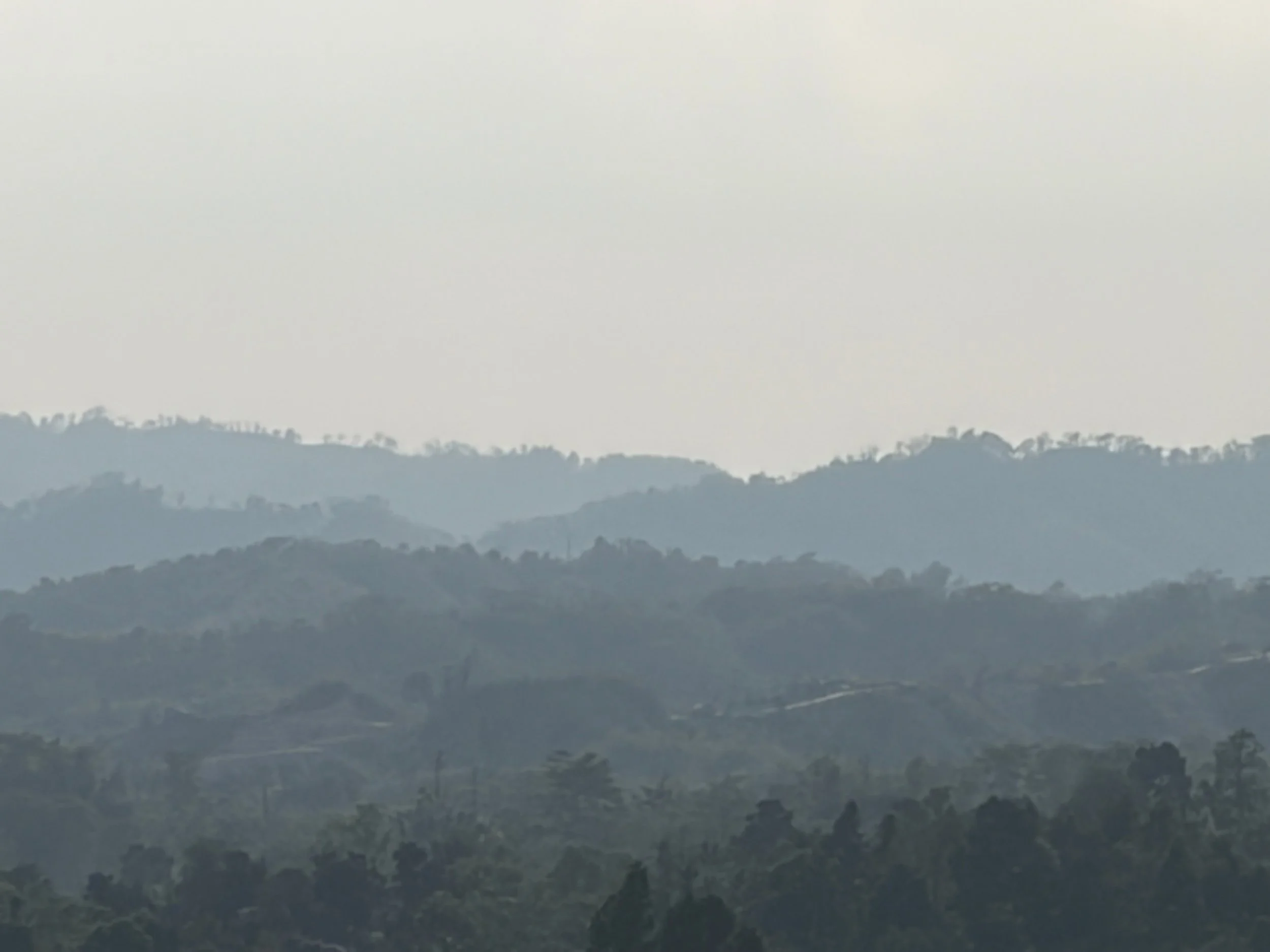
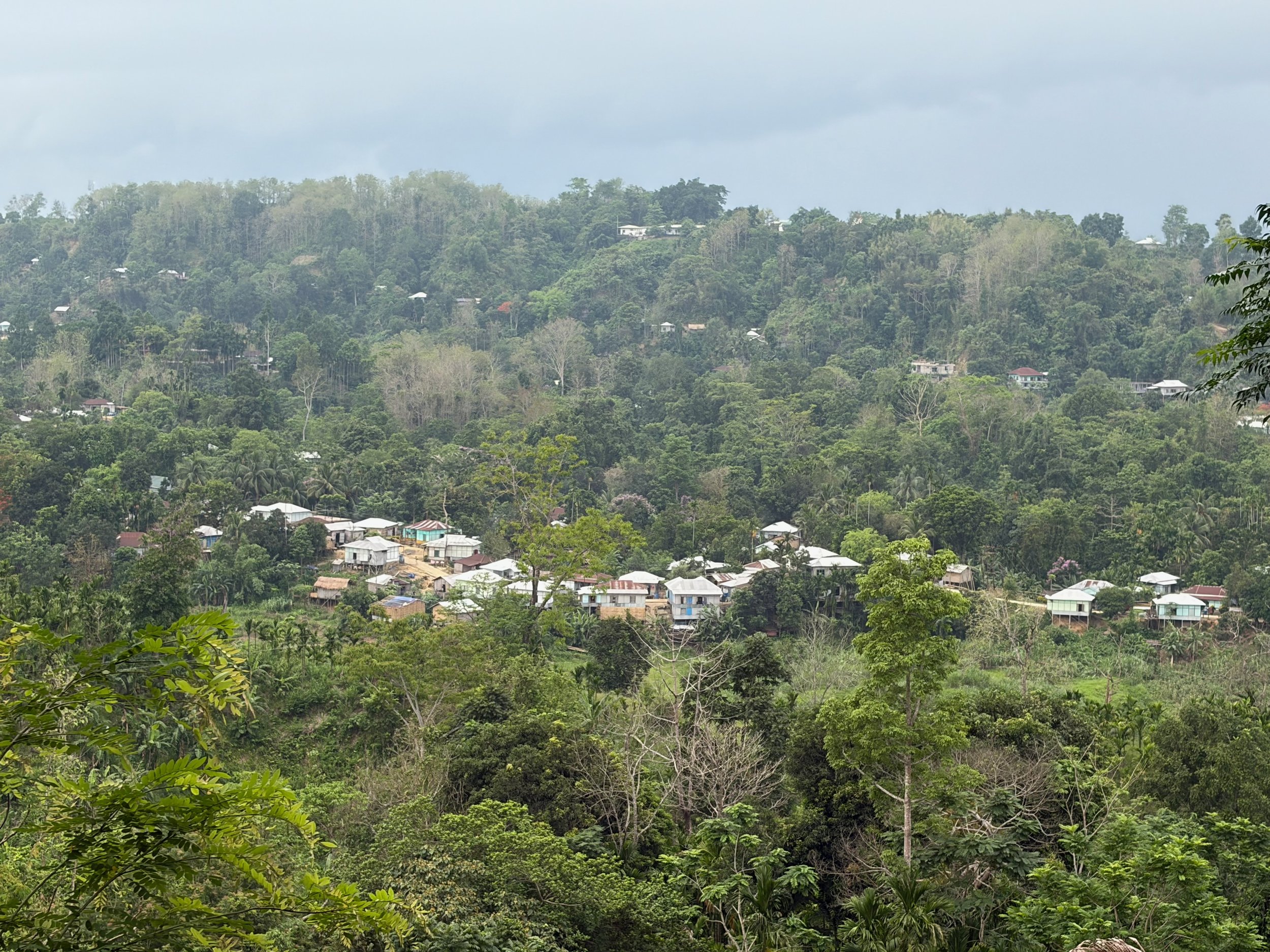
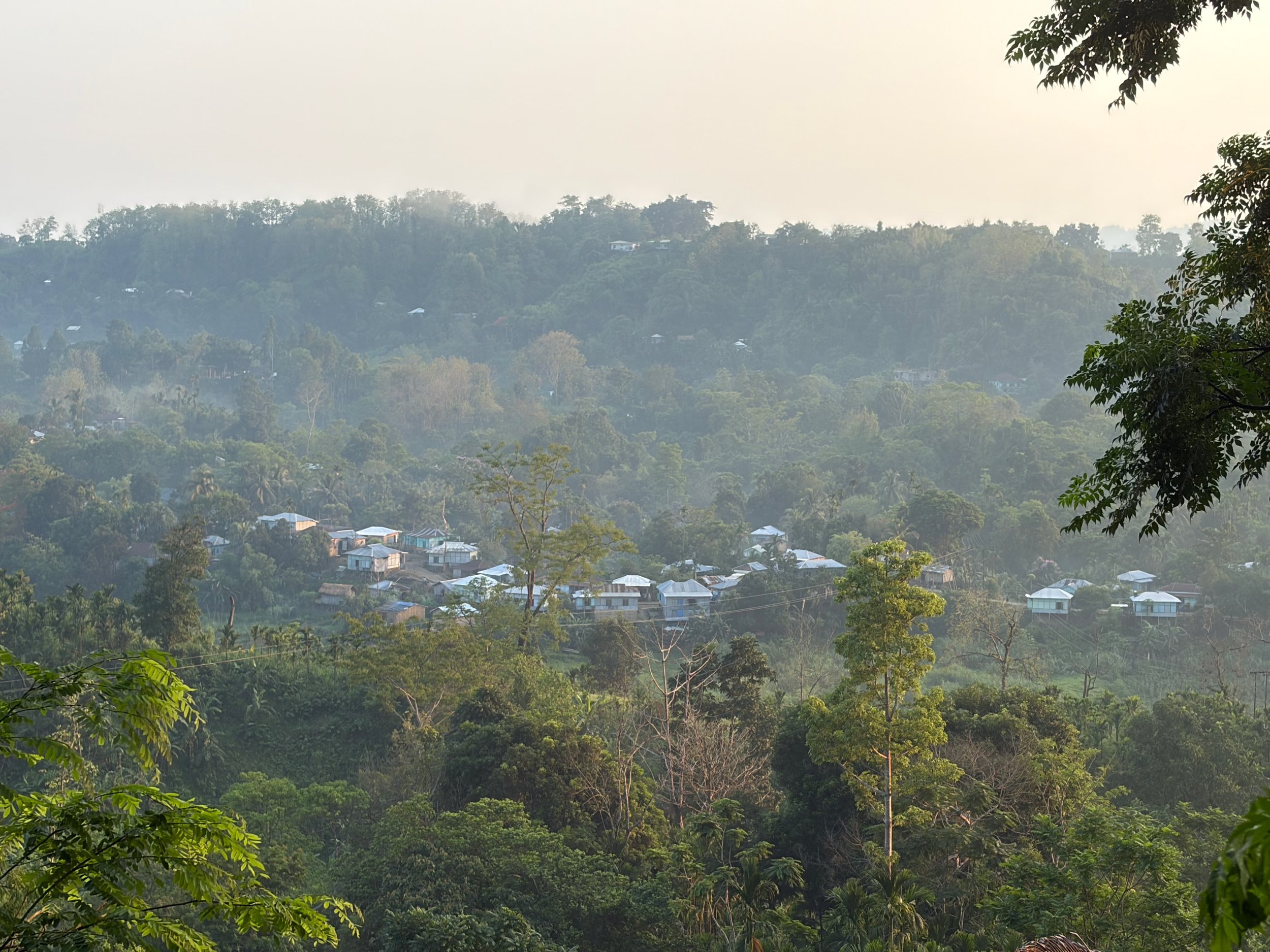
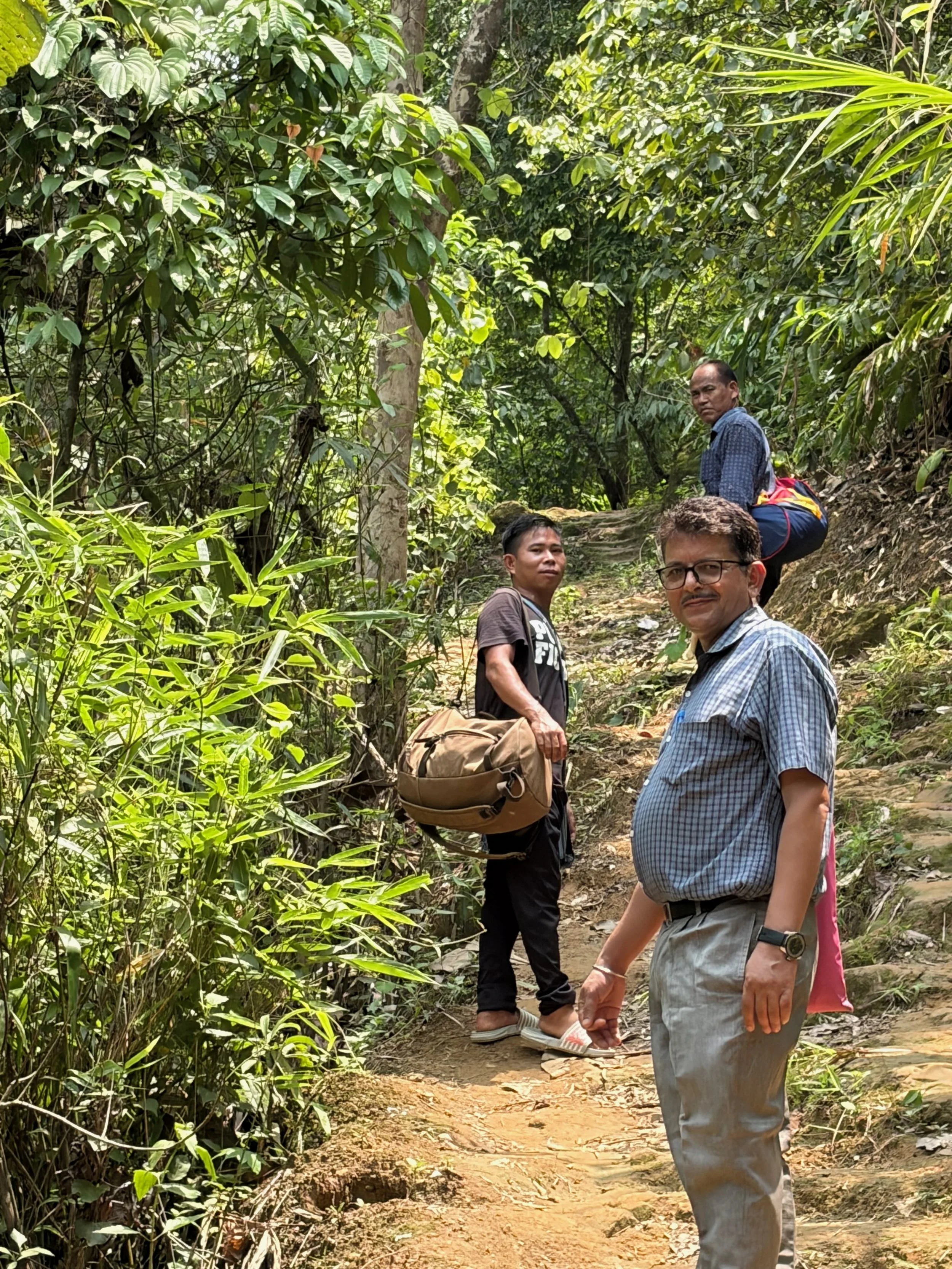
I recently travelled to Marpara in western Mizoram as part of an official visit on 13th May 2026. Located in the Indian-Bangladesh border, Marpara, is surrounded by the beautiful, dense forest of Mizo Hills. Hills, which form part of the wider Patkai-Arakan mountain system. The Patkai-Arakan Yoma sytem is the mountain range of Myanmar. Marpara village lies along the Mar Lui river and includes settlements of Marpara North and Marpara South, which are predominantly inhabited by Mizo and Chakma communities. The surrounding landscape is closely connected to the buffer zone of the renowned Dampa Tiger Reserve. Mamit district of Mizoram shares its landscape with the buffer zone of the famous Dampa Tiger Reserve. Community live is driven by active local organizations, including the Young Mizo Association (YMA) and Young Chakma Association (YCA).
How to reach Marpara?
Marpara Village can be reached by flight to Lengpui airport, also known as Aizawl airport or by taking a train to Sairang railway station. To reach Marpara village from the Airport or railway station, either you pre-book a taxi to reach Marpara on the same day or you can rest at guest house and the next day, you can take a shared taxi service (Tata Sumo or Bulero). From Airport to Marpara village it will take approximately 5-6 hours. I went on the same day as, I booked a private taxi. At Marpara we stayed at a rest house near to the PHC (Primary Health Centers).
I was curious to know what the people of Marpara typically eat and what kinds of flora and fauna are found in the region. However, during my visit, I didn't get a chance to explore these aspects. To satisfy my curiosity, I decided to do a little research and share what I discovered.
A. Traditional Farming and Food Culture in Mamit
In agriculture point of view, residents majorly cultivate paddy, maize, mustard, beans, pumpkins, and other horticultural crops. Common daily meals include rice, often cultivated in jhum fields, is usually served steamed. Rice is accompanied by boiled or steamed vegetables known as chum or tlak, prepared with fresh greens, pumpkins, edible ferns, or beans boiled with very little oil or seasoning. Popular Mizo dish is Bai, a stew prepared by boiling seasonal vegetables with green chillies, garlic, baking soda and fermented pork fat (saum) or fermented soybeans (bekang). Chaka community prepares traditional dishes such as Khola, a pot dish in which fish, shrimp, or meat are slowly simmered with minimal spices. In poda style preparations, marinated fish or mushrooms are wrapped in banana leaves and slowly roasted over a fire, giving the food a distinctive smoky flavour.
B. Flora and Fauna of Marpara
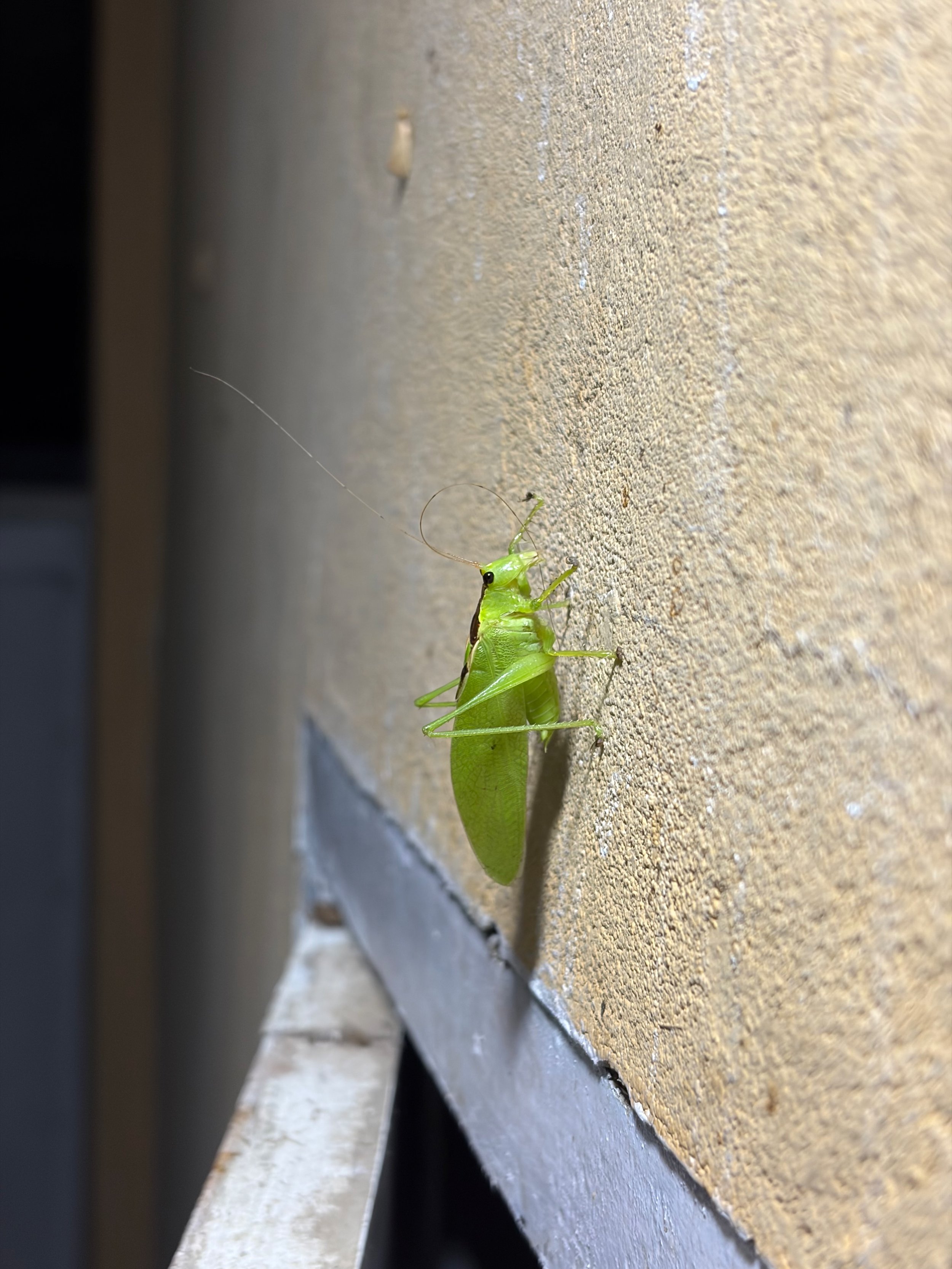
The village Marpara is surrounded by tropical evergreen and moist deciduous forests, consisting of bamboo, champak, oak, wild banana, ferns, and orchids are commonly found in the area. The forests are also home to hoolock gibbons, slow lorises, capped langurs, clouded leopards, barking deer, wild boars, and red serows. Around 93 bird species have been recorded in the Dampa buffer zone, including hornbills, grey peacock-pheasants, and emerald doves. During my visit, I spotted a blue-throated barbet, water snake, squirrels, lizards and insects. Pythons, tree frogs, and colourful butterflies are also found in the region.
My Experience in Marpara
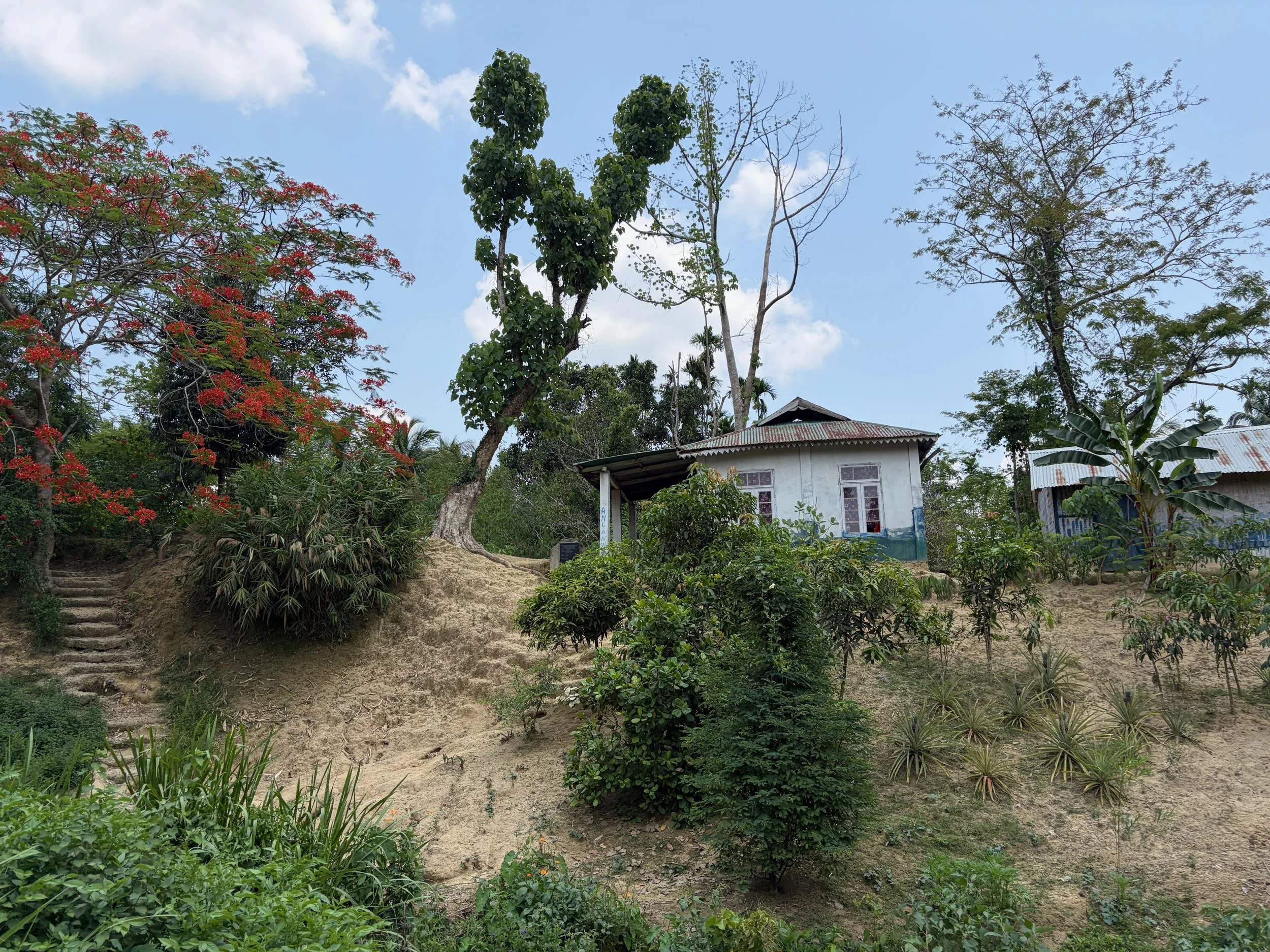
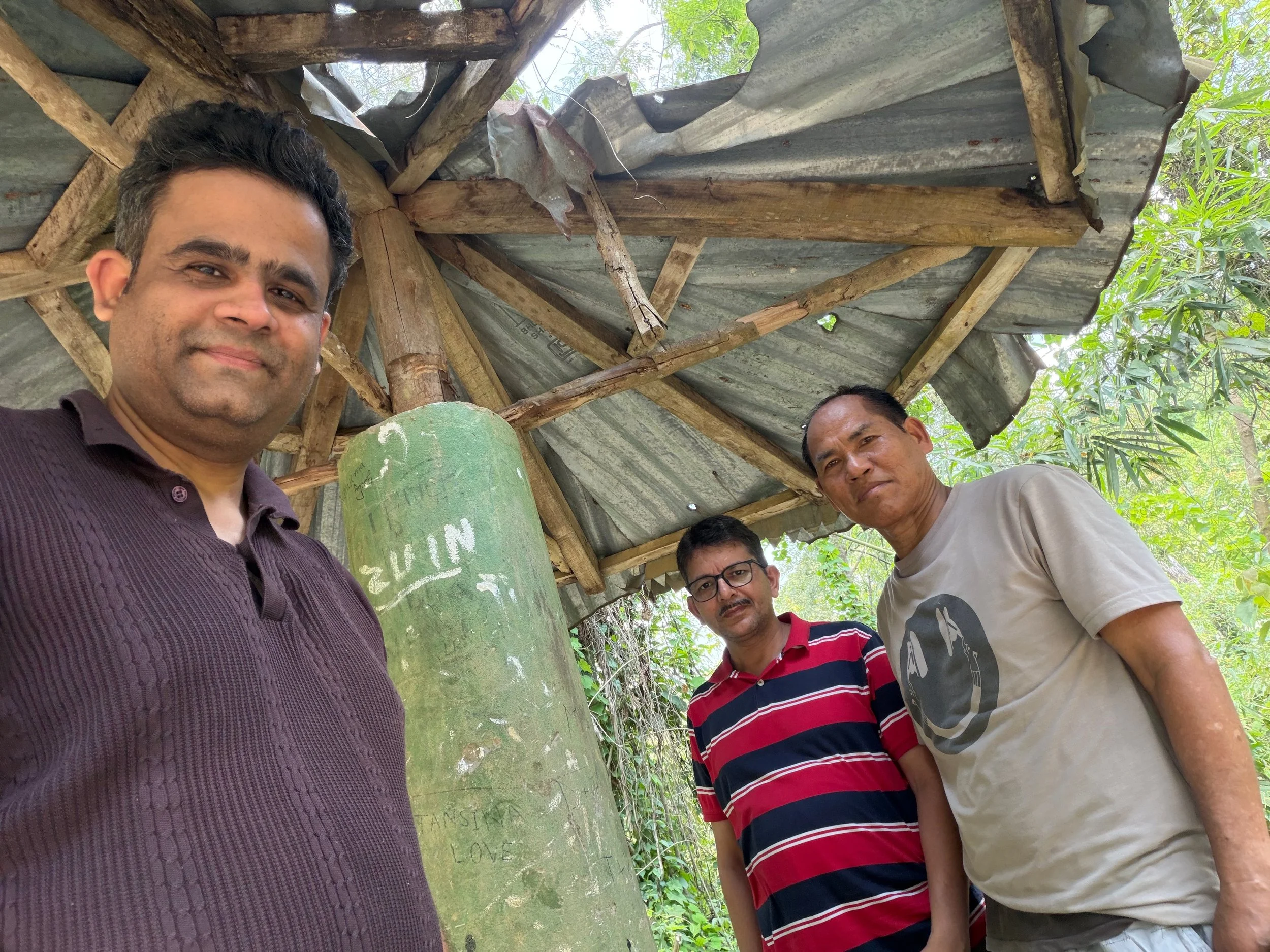
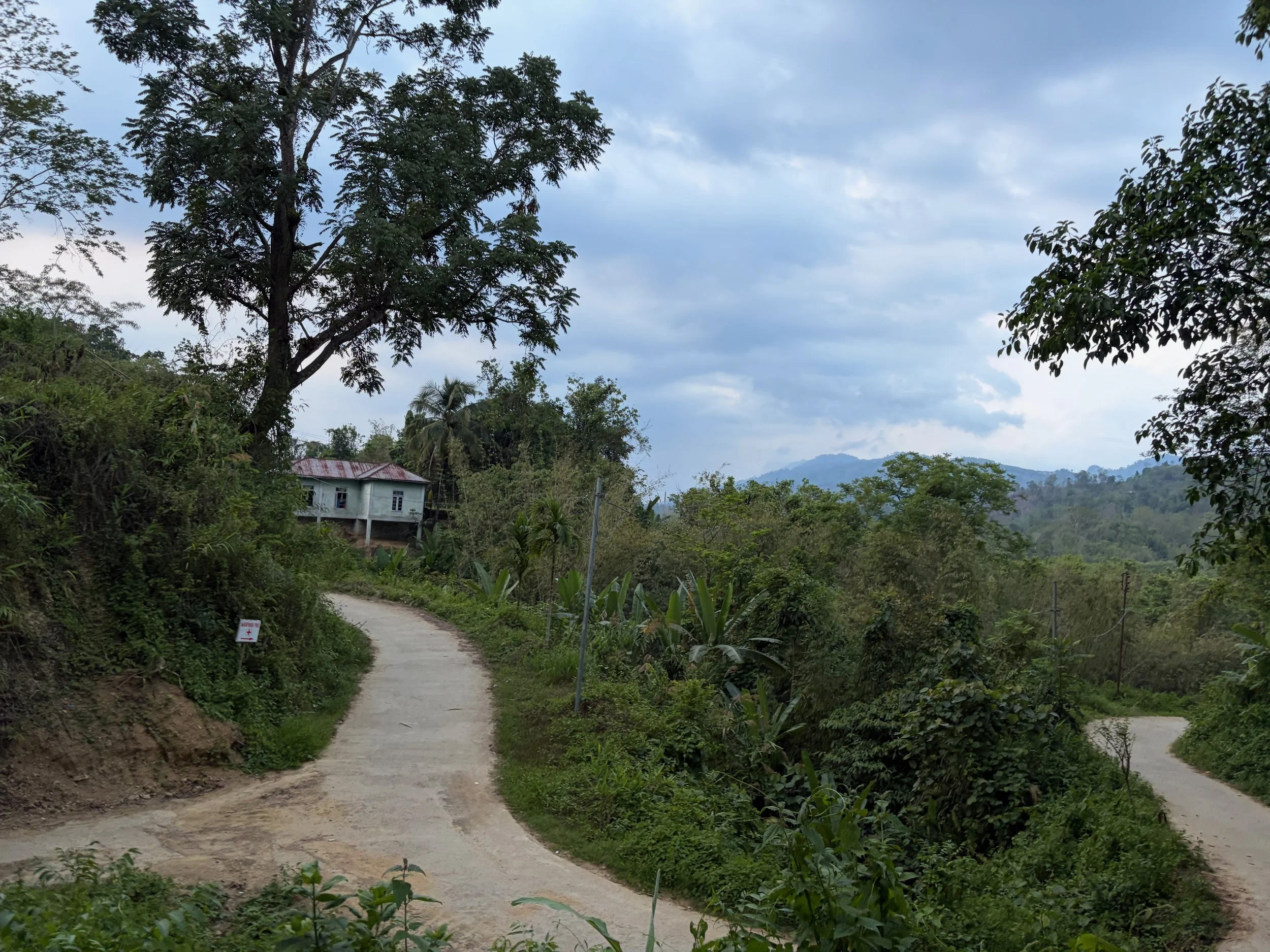
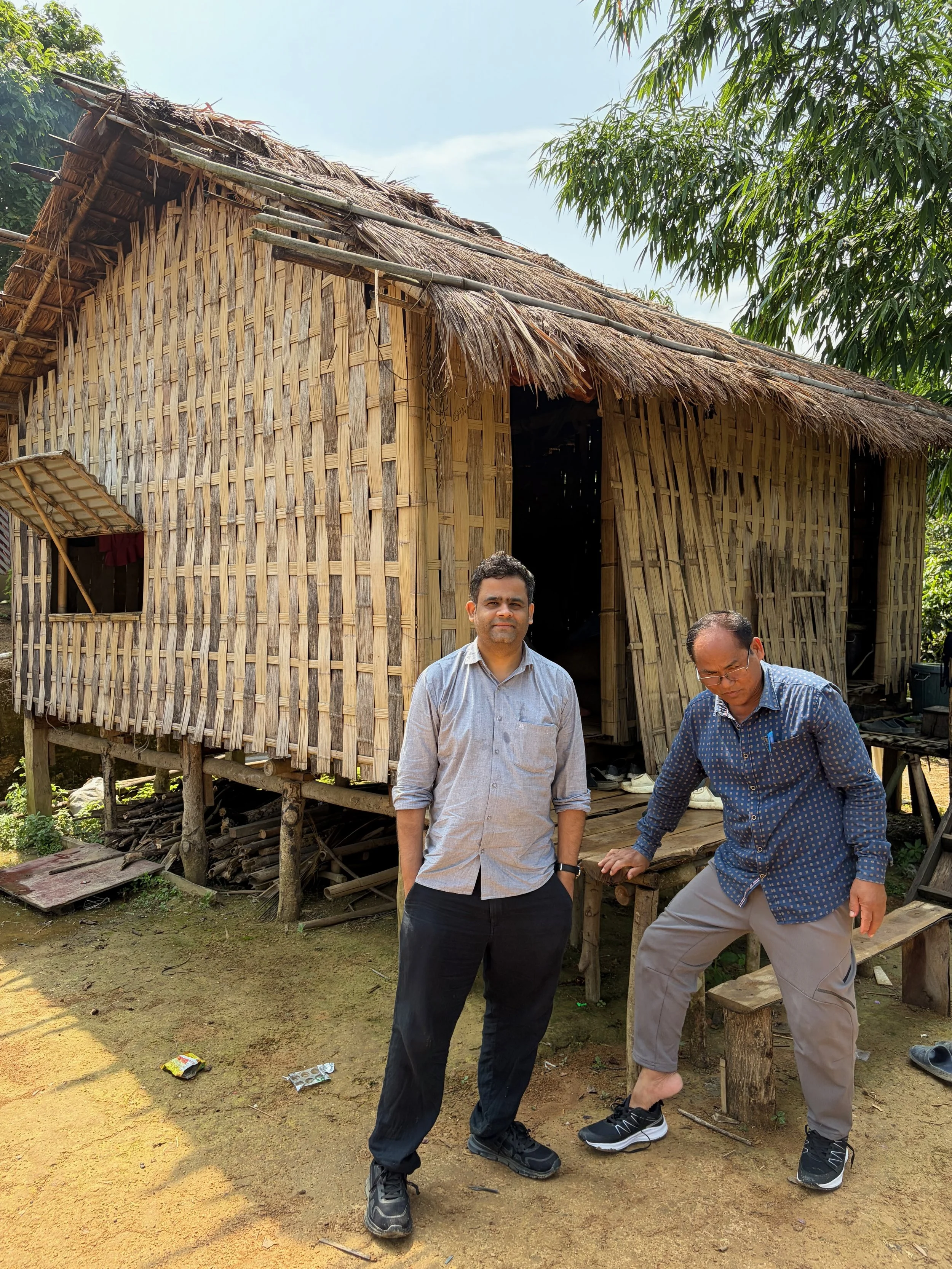
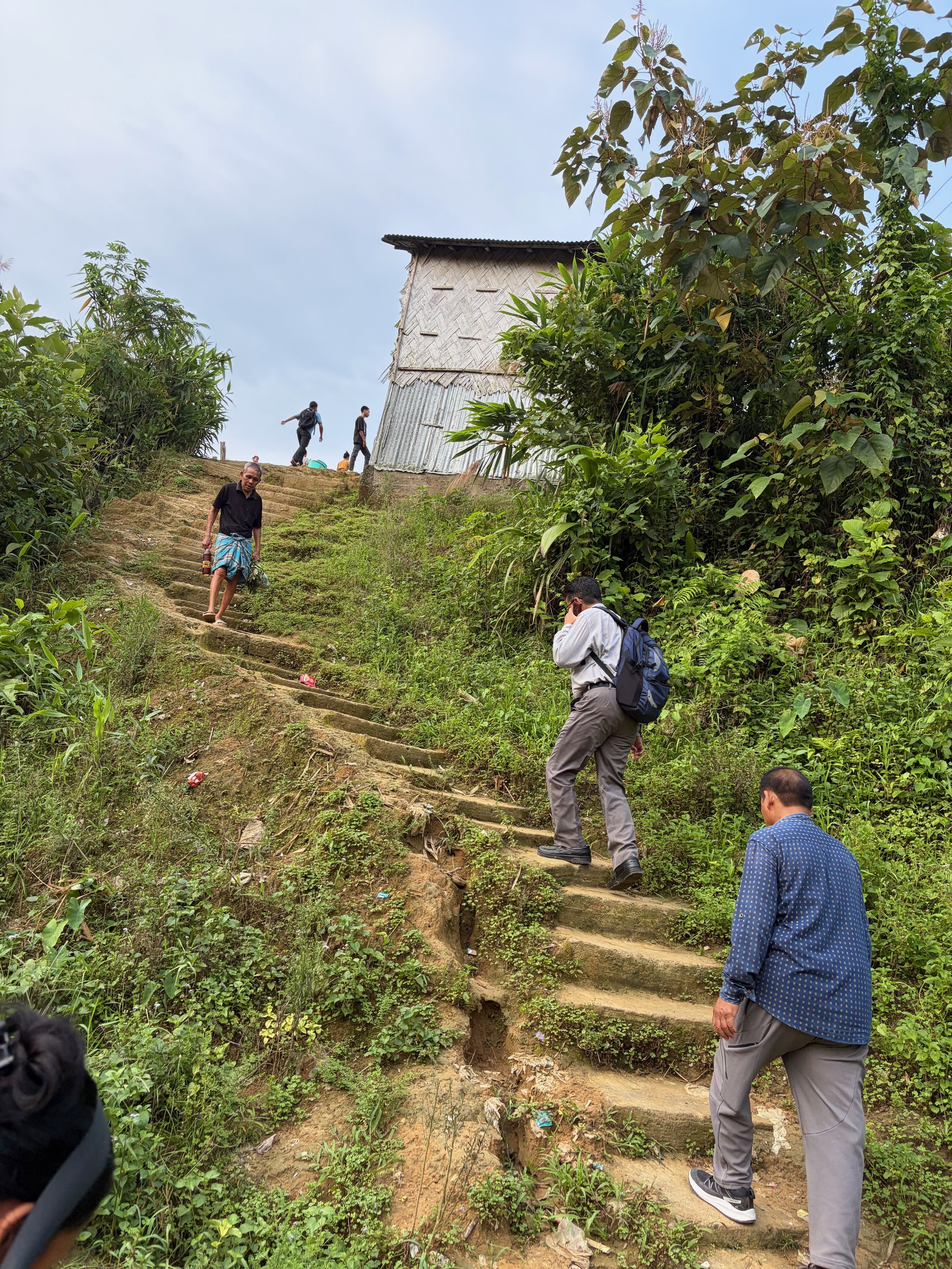
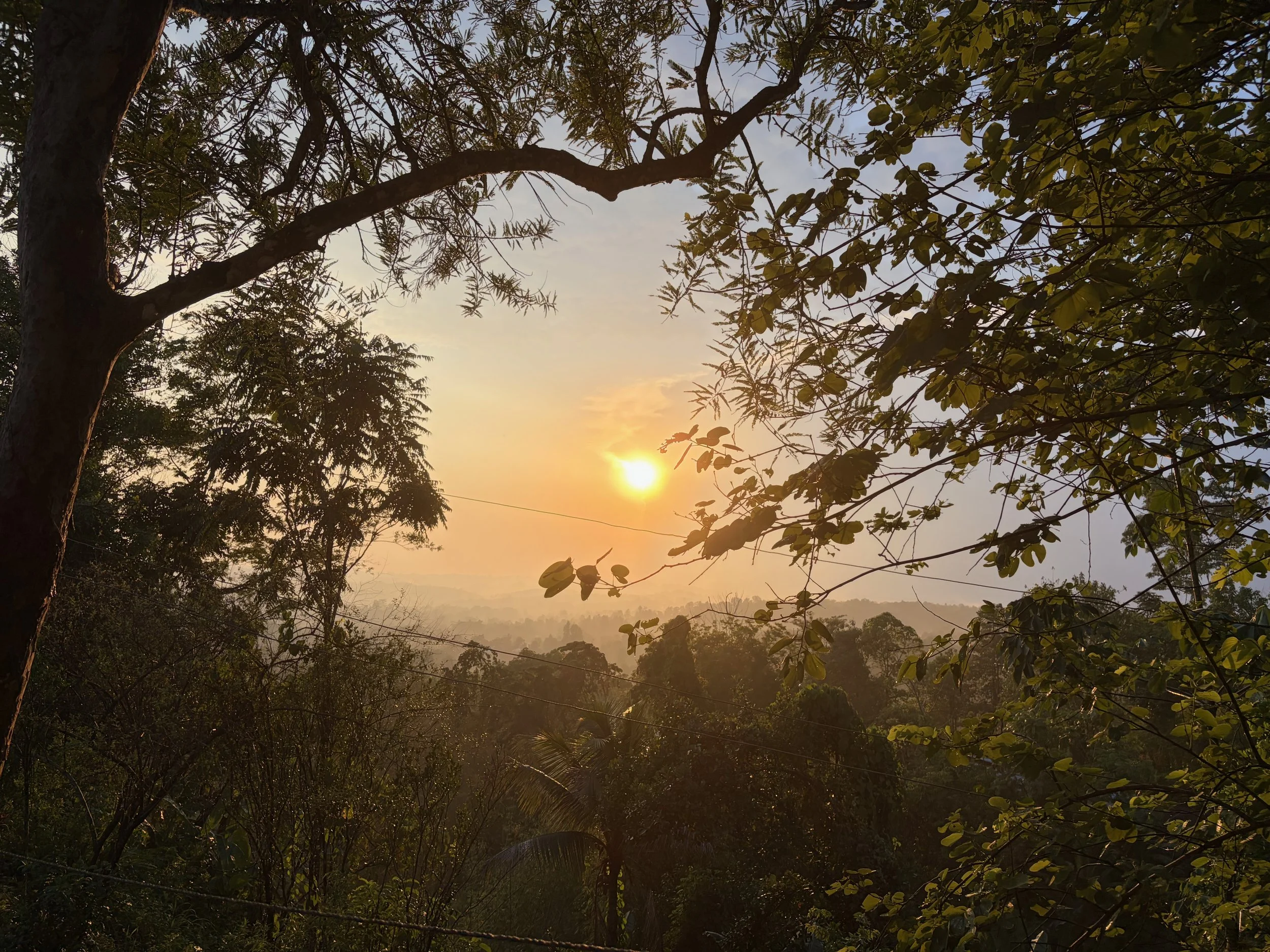
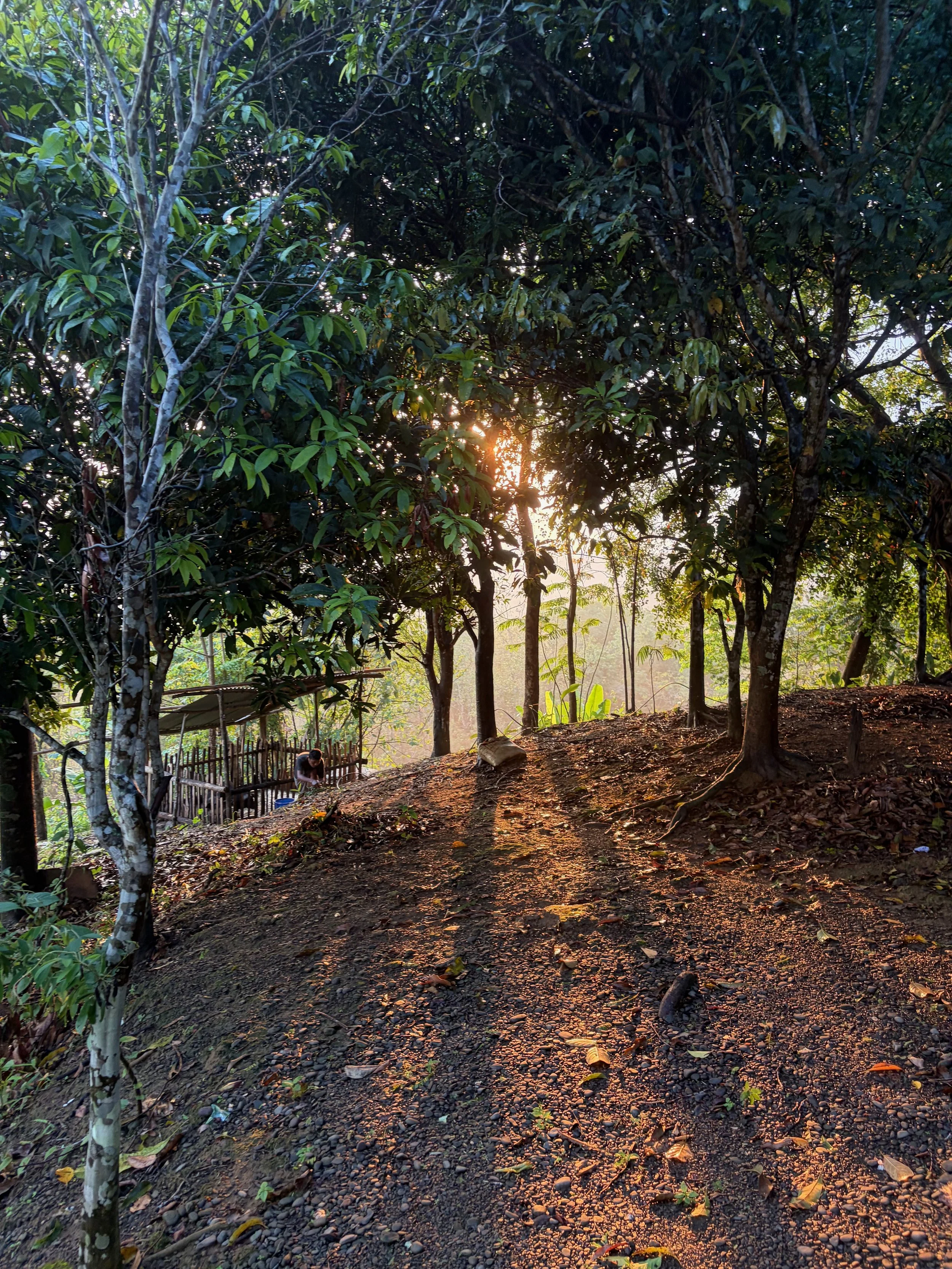
We reached Marpara village around 10:00 p.m. and had the food we had brought from home for dinner. The guest room was quite basic, although it was called the VIP Guest room. It had three beds, each covered with a mosquito net. The nets were necessary because many insects were constantly flying around us. My team members already visited this place last year, for me it’s completely new place. I was a little skeptical about staying in this guest house, team members assured me that we will find new staying place the next day. As we were very tired, we quickly fell asleep. The next morning, we woke up at around 5:00 am and looked outside the room. I realized that we are surrounded by the dense forest. It felt very refreshing, especially coming from a polluted city like Delhi. We took a short 15 minutes’ walk to explore the surrounding area. It was very quiet. Along the street, independent houses were constructed with approximation 1km apart, some with small general stores. The people were very nice to talk to. After the walk, we freshened ourselves and met one of our local team member, and he briefed us about the nearby villages, where we can do our official work. On the first day, we went to Marpara South, saw a few houses, we could not find any appropriate one, so we decided to stay where we were. We also bought some basic essentials from the local market.
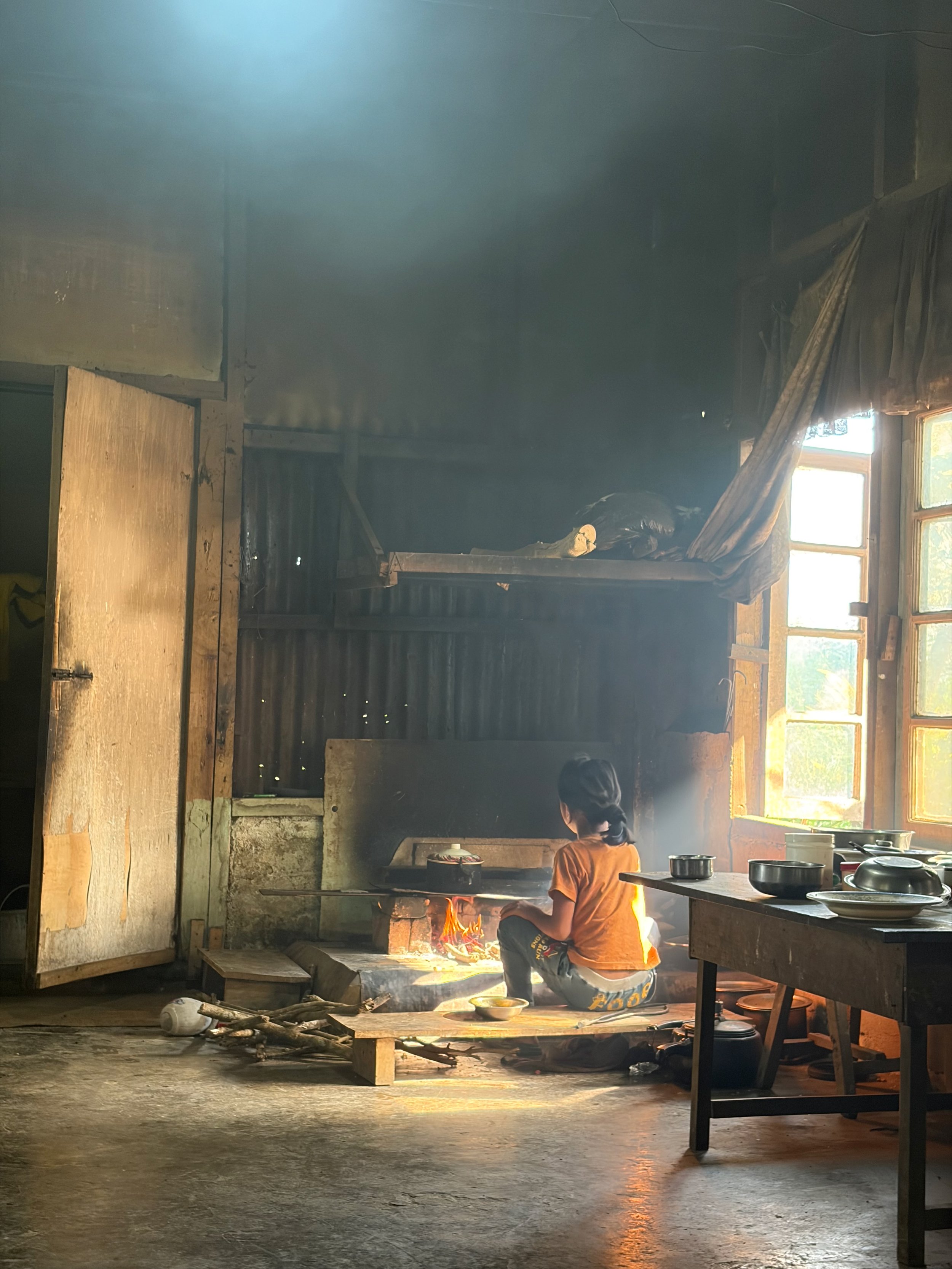
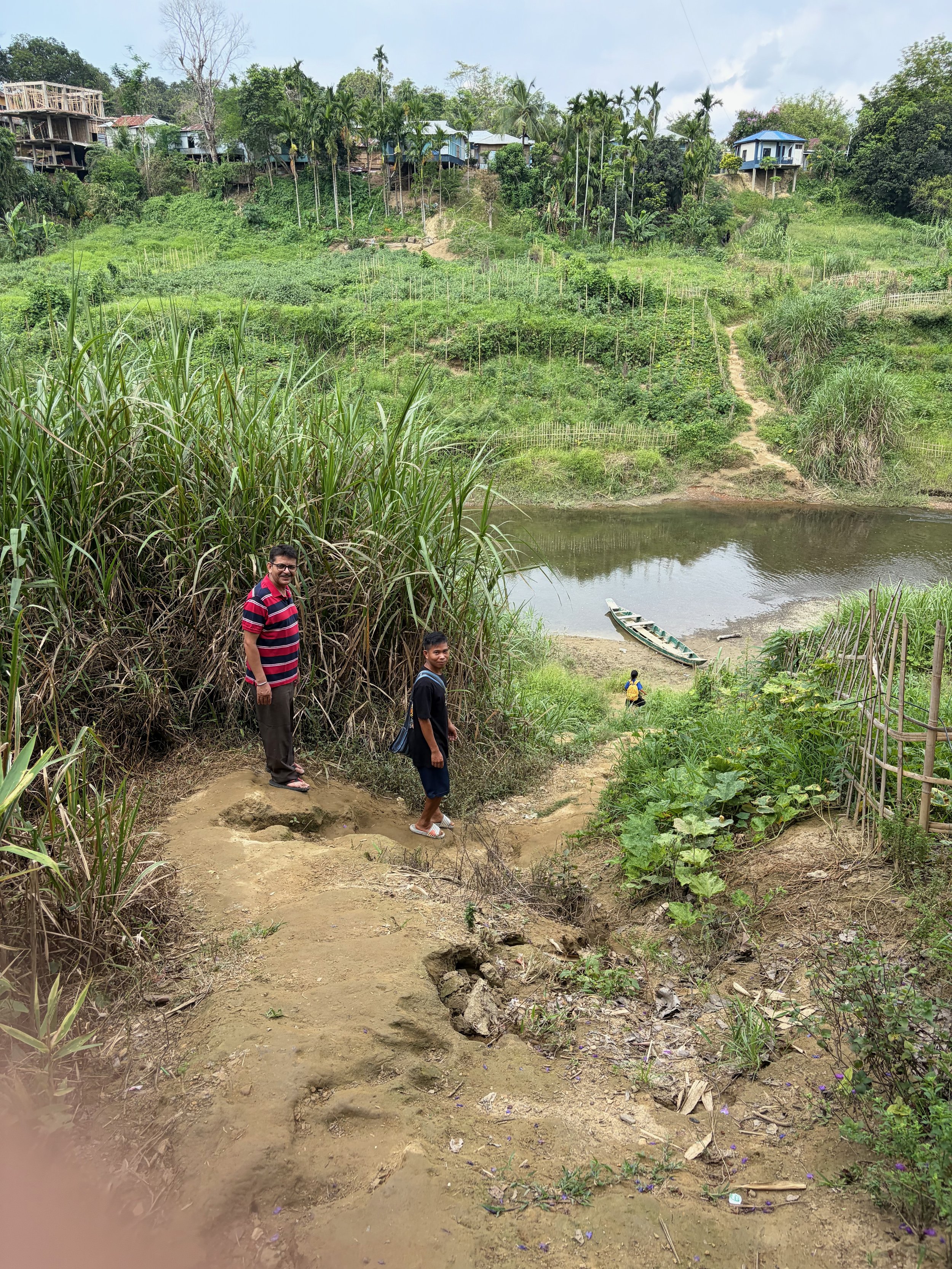
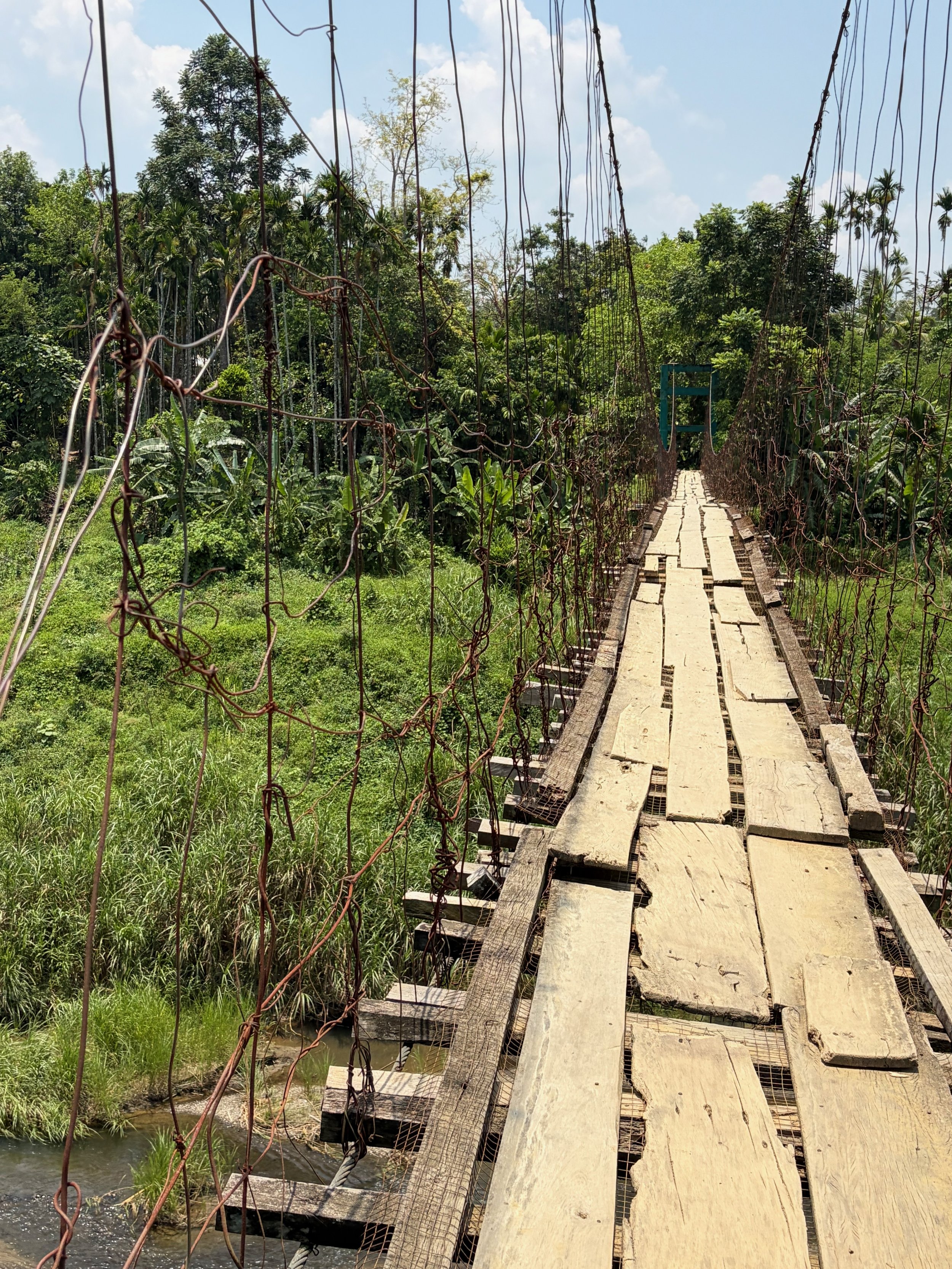
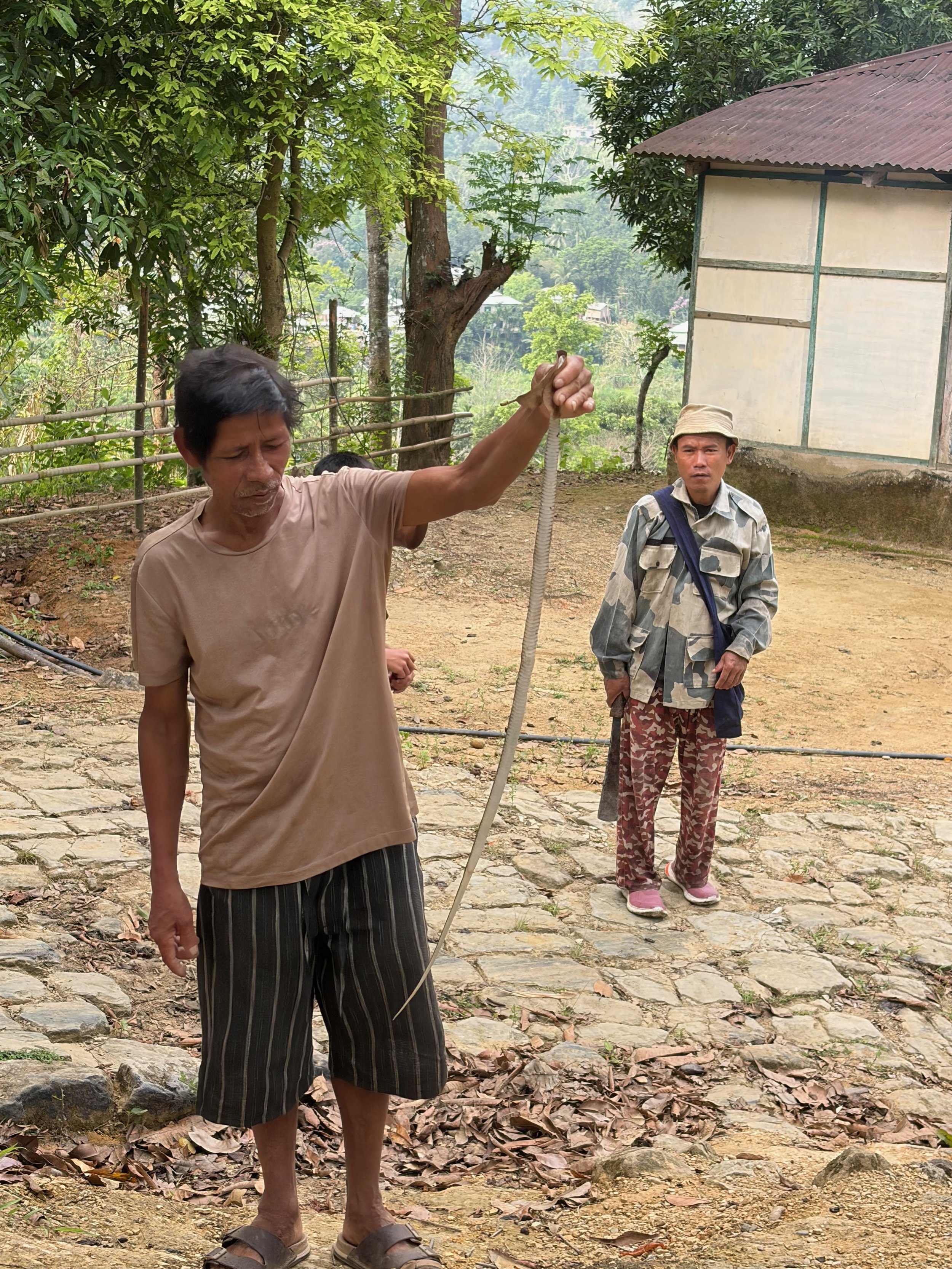
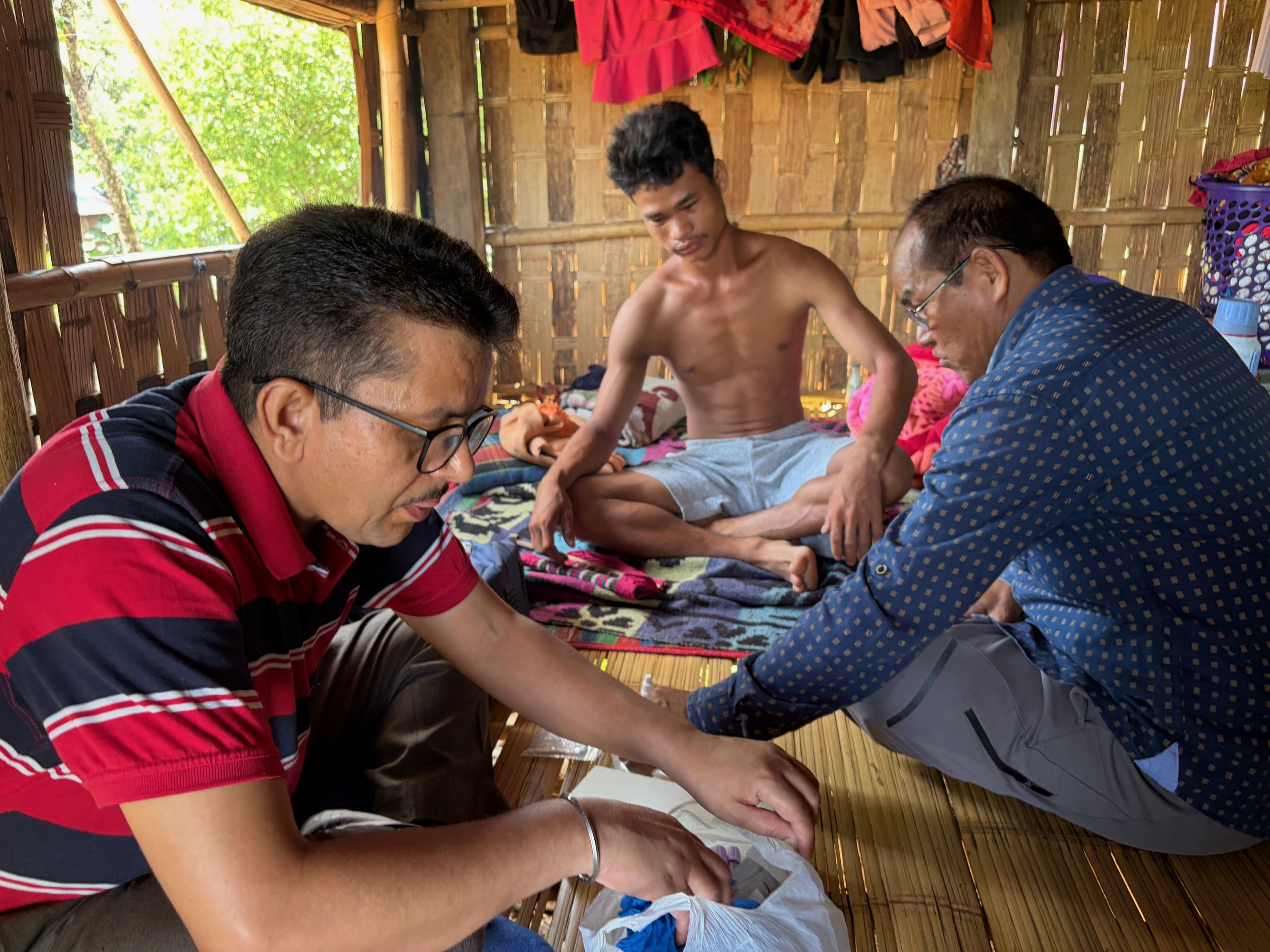
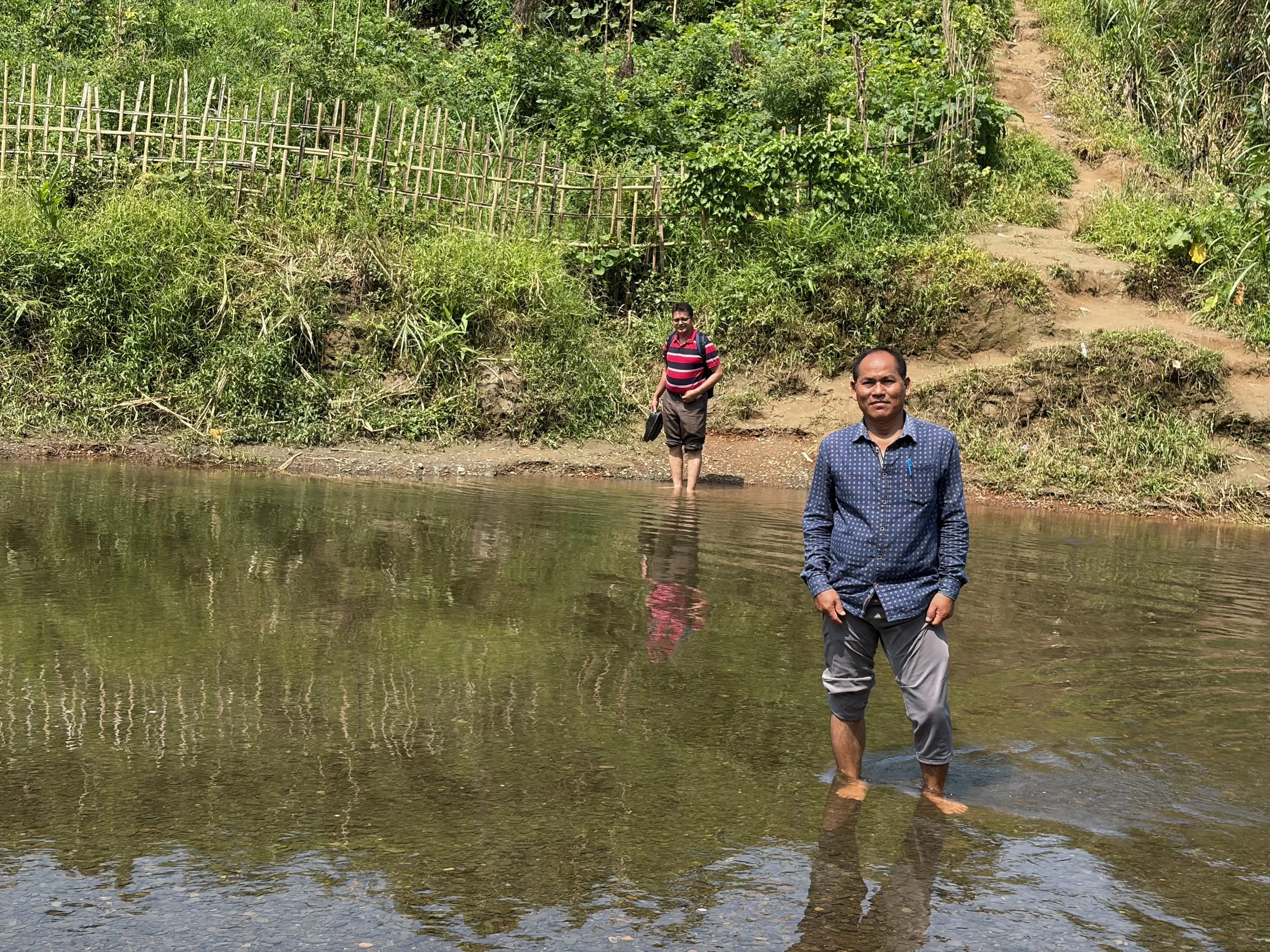
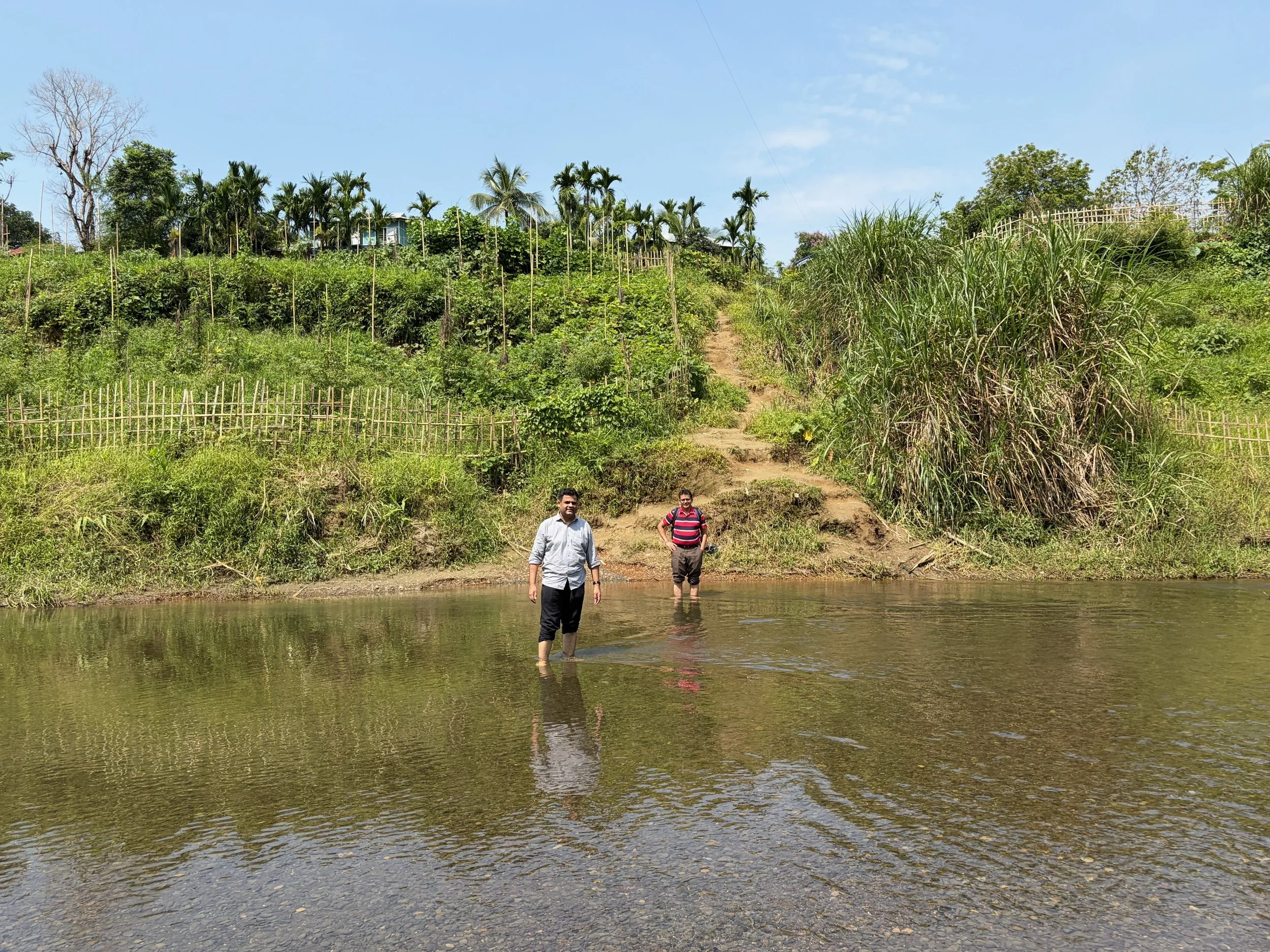
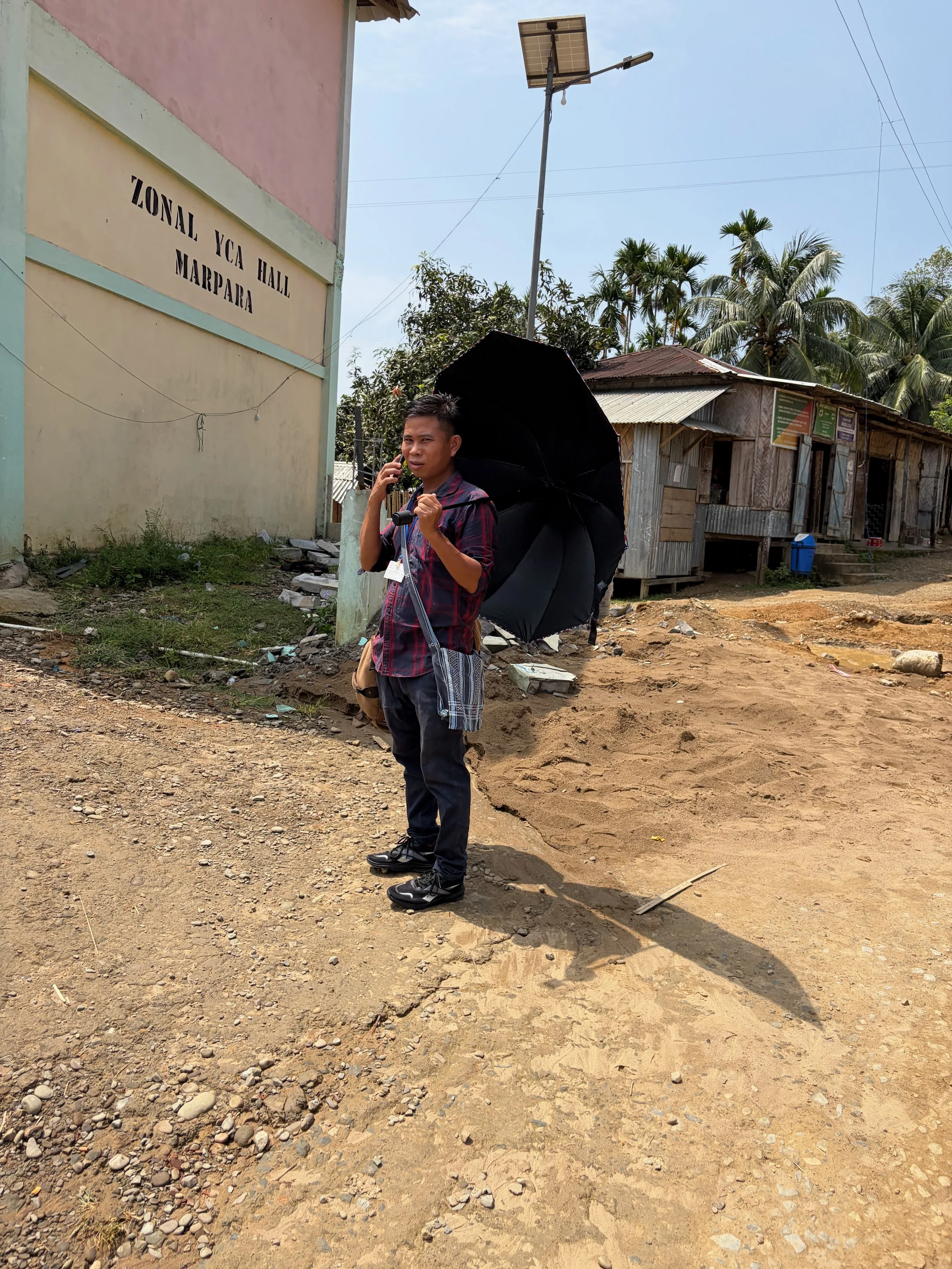
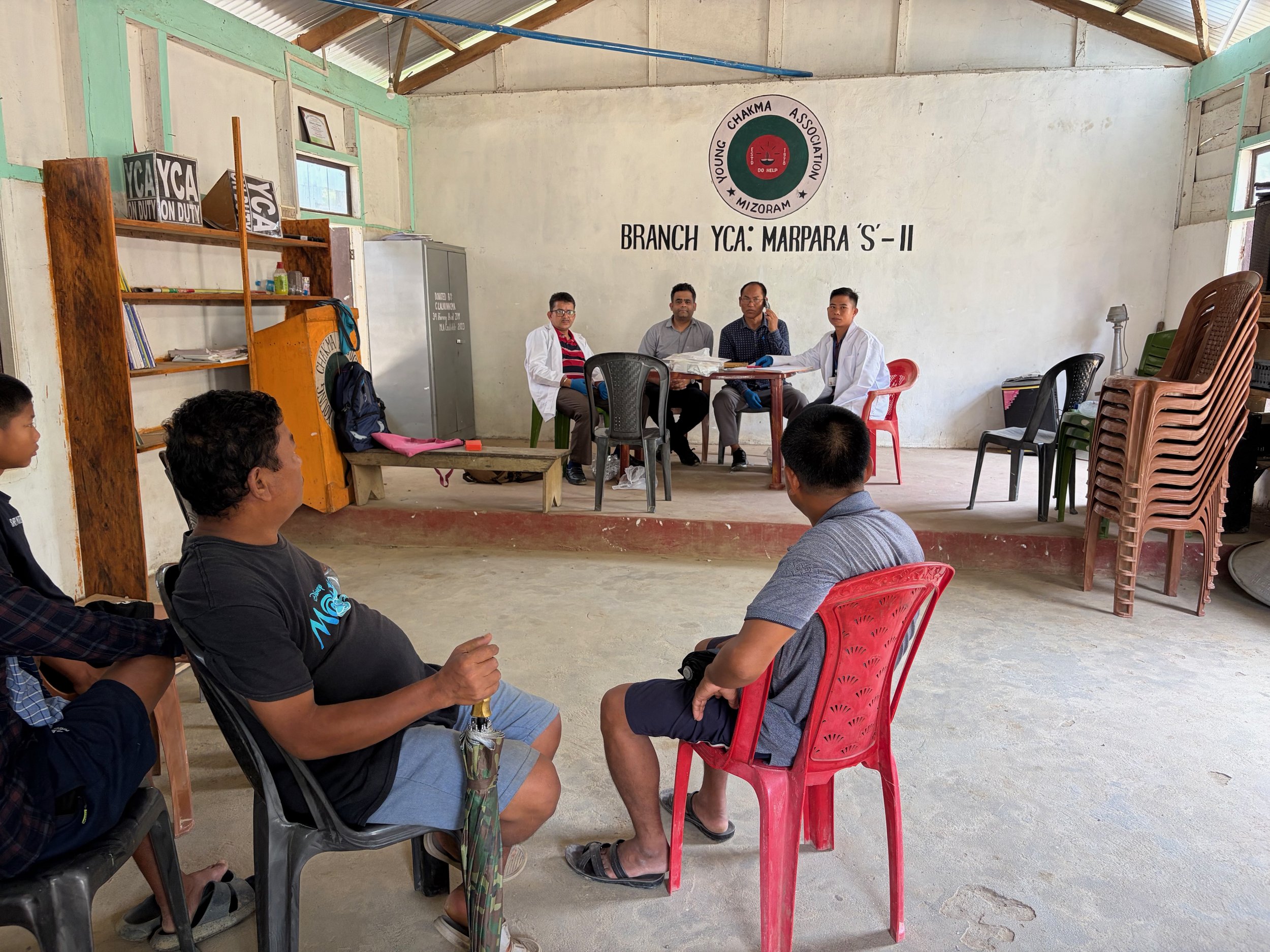
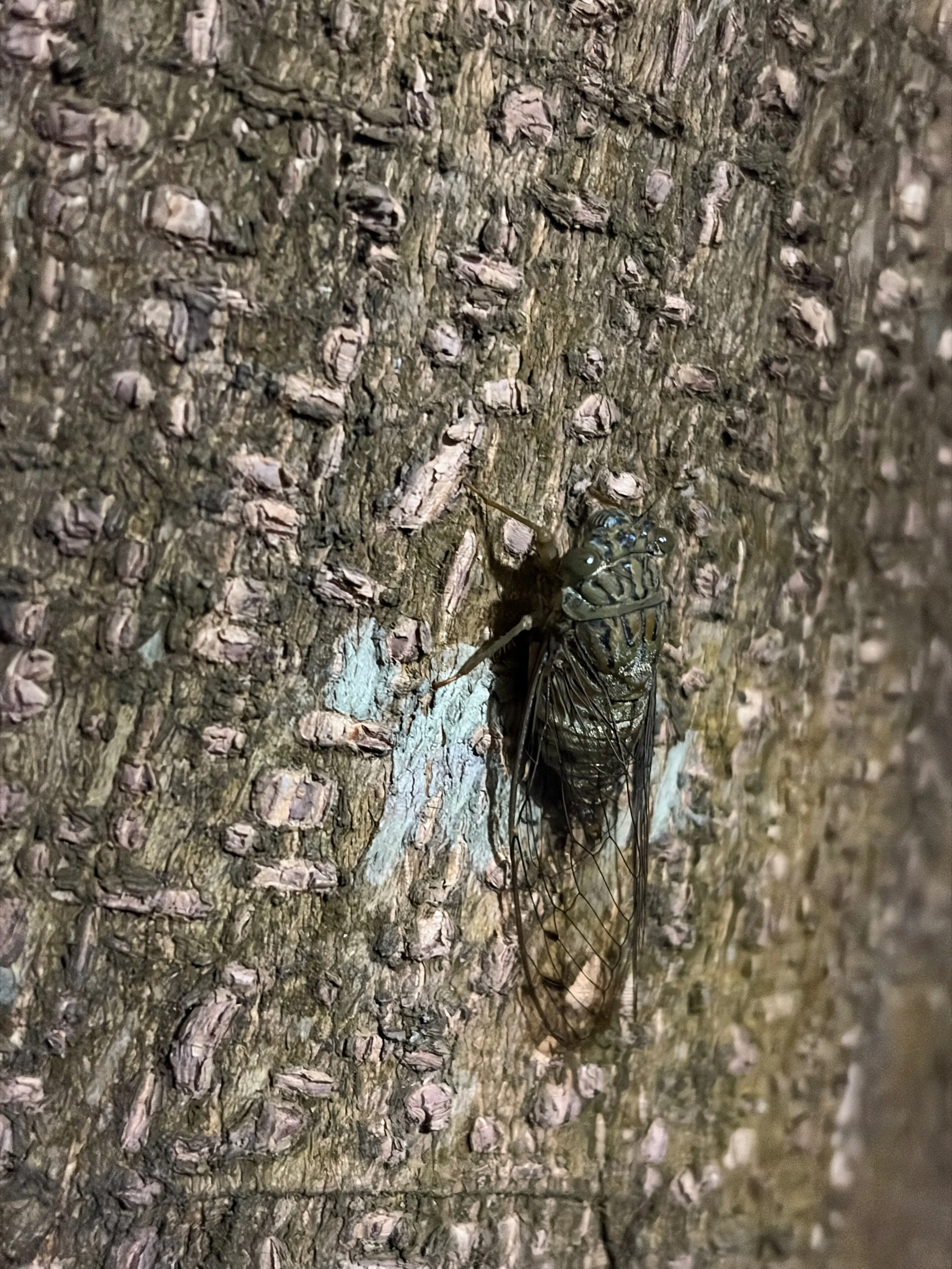
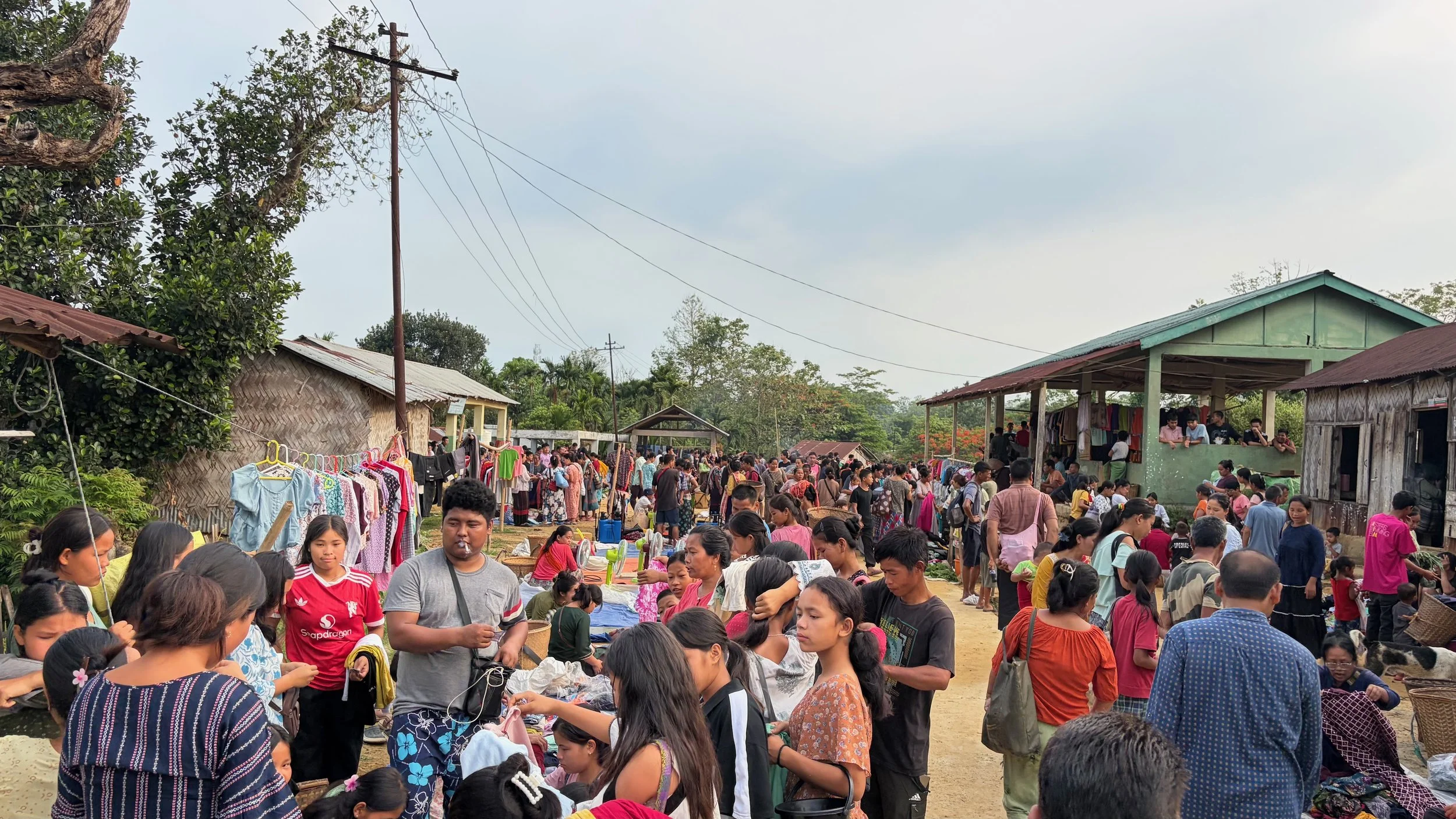
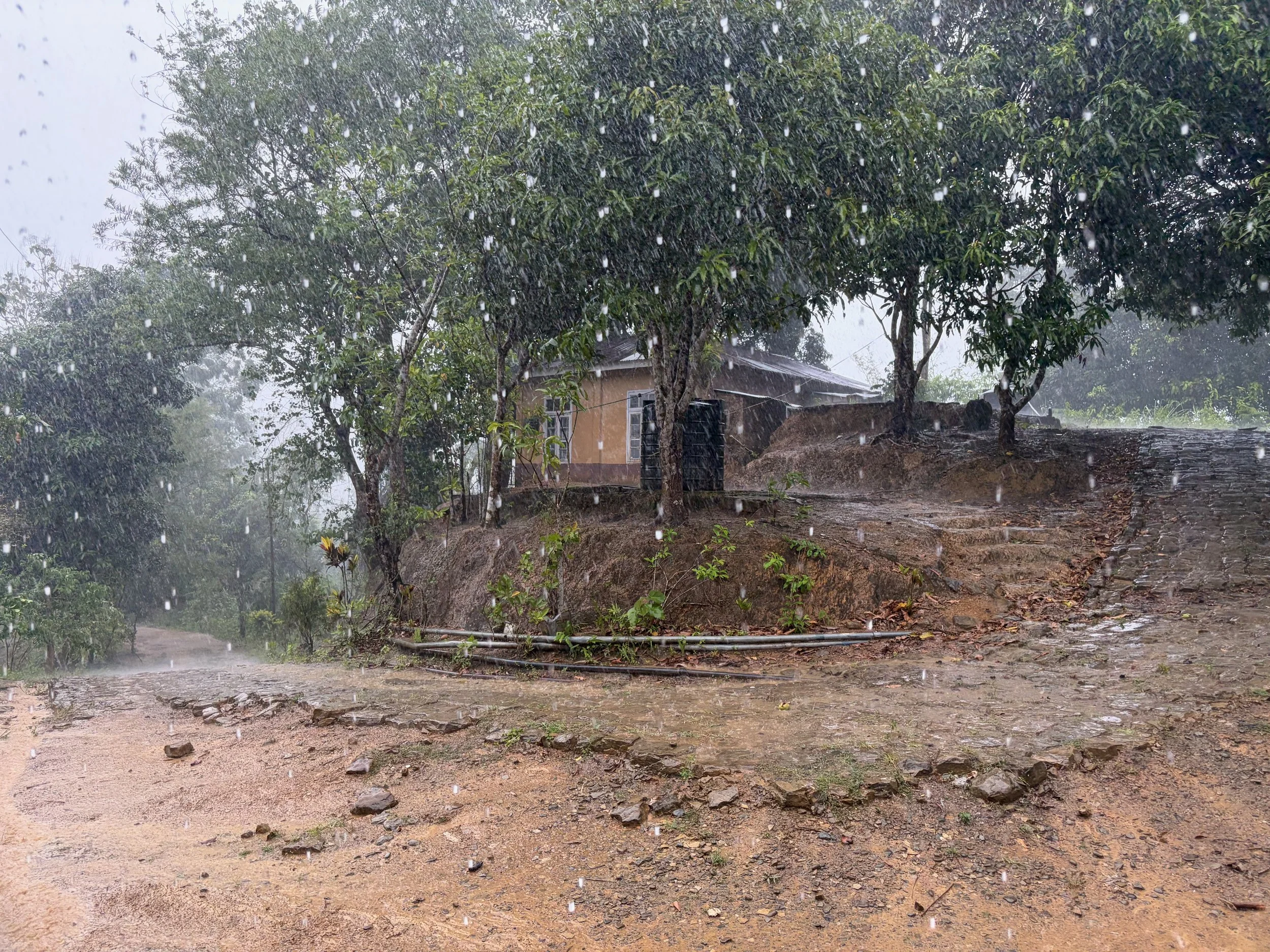
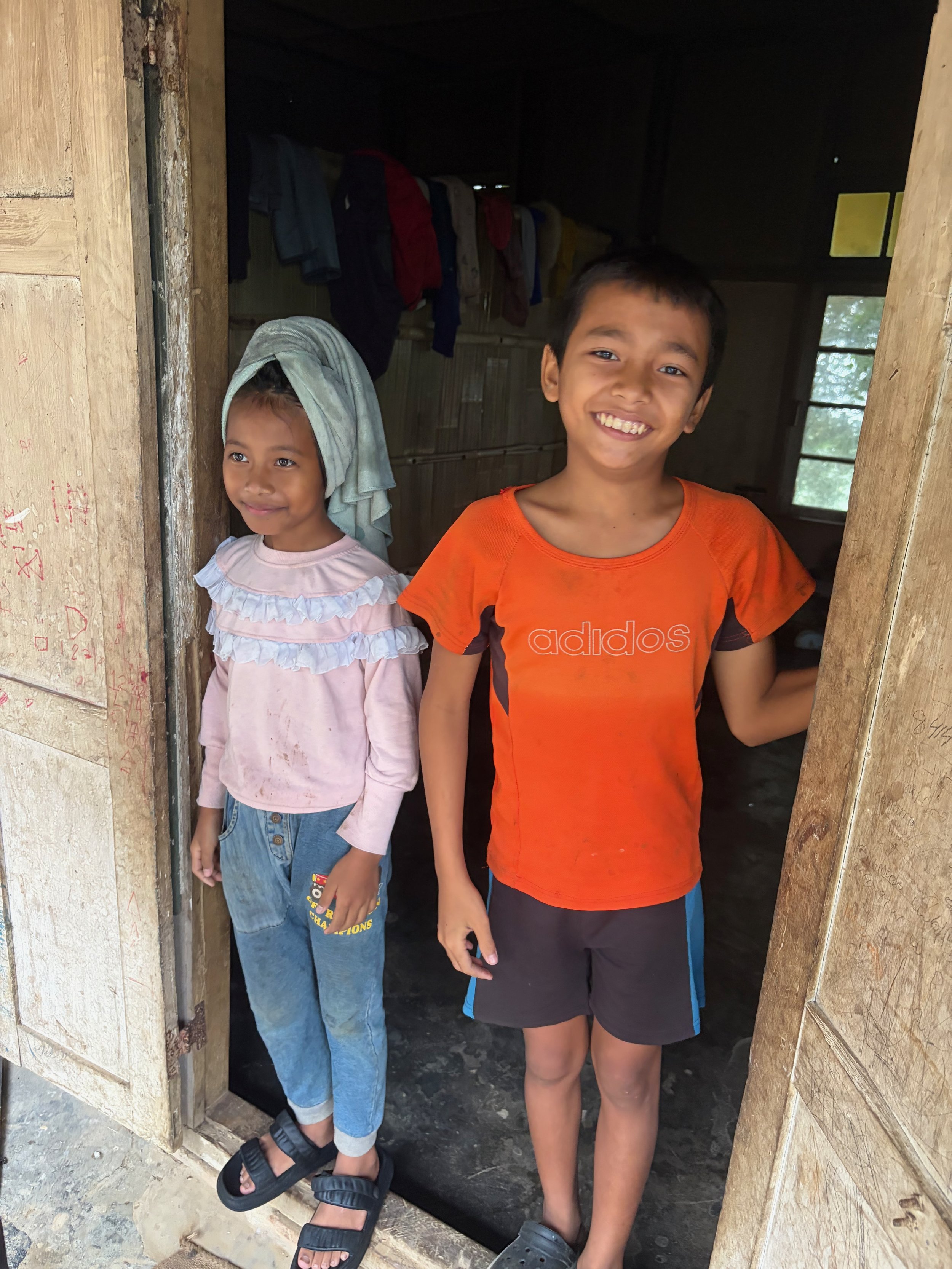
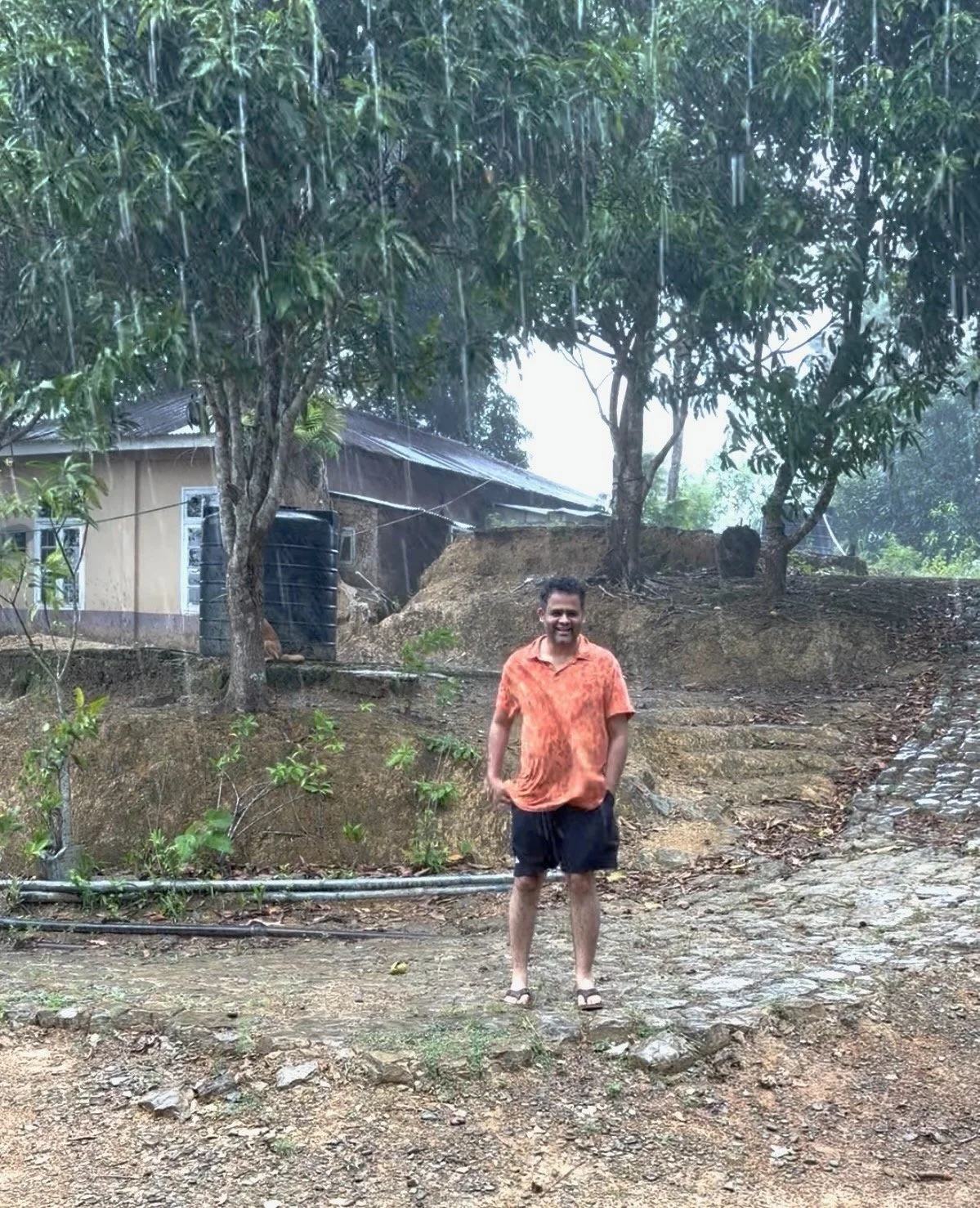
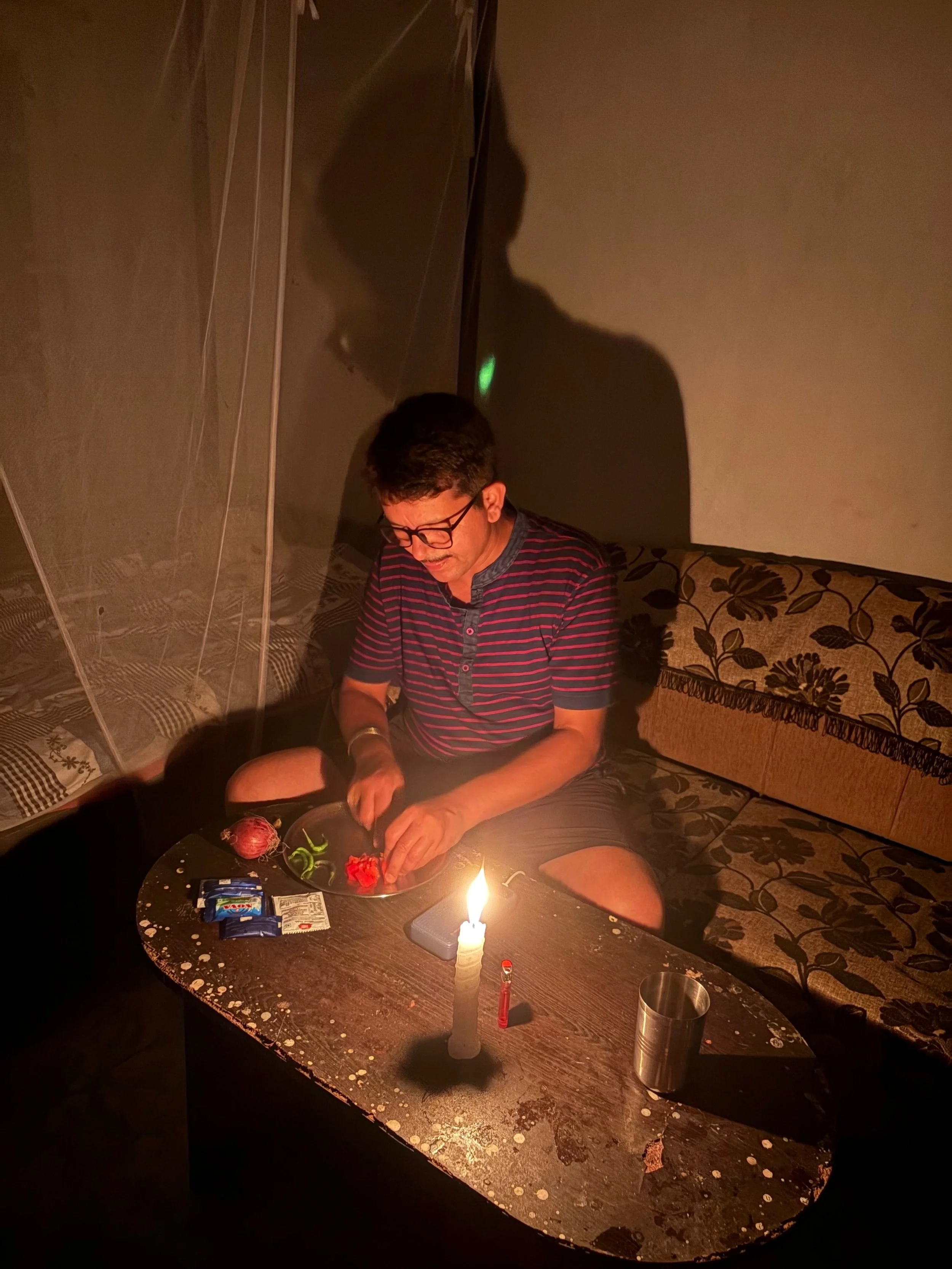
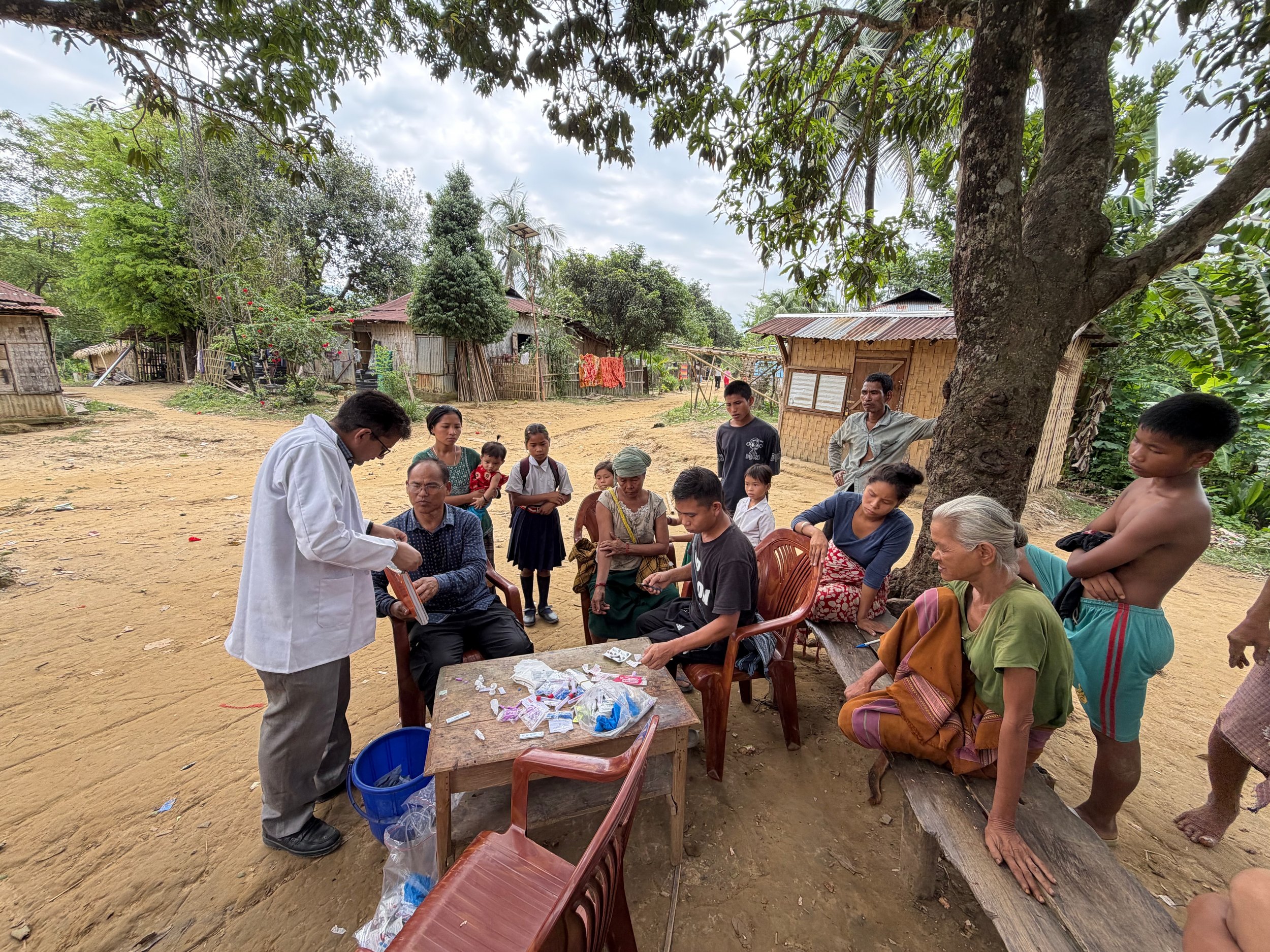
I must say, one of our team members is very active and took whole responsibility of cooking and also helping me out in planning our daily official work. I was really impressed with his efforts, he was never seemed tired. Next day, we started our day with a black tea with lemon, and it was awesome. In the forest, many birds were chirping especially the Barbet and more than birds noise a constant noise of insects we heard, and this noise becomes louder at night. After freshening up we went to Marpara south (Lunglein district) which is at the other side of a small river, we crossed the river by removing our shoes. We could cross the river as the water level was very low. We had setup our medical camp there at Youth Chakma Association Hall. We already informed in the village about this camp. Till 3:00 pm we worked there and came back to our Marpara guest through a different route which is longer but we didn’t have to draw the river by bare feet, rather we crossed the river by a very old bridge and it was in a bad condition, generally this kind of bridge we see it in treasure hunting films like Wild Wild West etc. The bridge was literally swinging, it was really scary but we got used to it as we crossed the bridge daily. In the evening after reaching our guest house, we use to rest outside under a tree. In that time, I took few pictures and videos of insects. We tried to eat raw mangoes, but they were not sweet so, for our cooking we used them. The fruits; leaches were fine, we all had it regularly. Once instance happened, in the evening we saw that our guest room care taker was cutting the Jackfruit and White pumpkin, we were all excited and thought asking him a little so that we can use it for cooking but the care take told us that he is cutting the vegetable for his pig, so we lost interest in that and we get on with our usual plan of cooking dal chawal (Lentils with rice) or Vegetable Pulav. Since, the electricity was scarce, we cooked our meal over a bonfire on most of the days, all the responsiblity taken by one fellow. We brought This was on an average our daily routine at Marpara village. After the dinner we used go to Marpara PHC to fill our water bottles and chitchat with the PHC fellows. On Sunday morning, we one fellow got very excited holding a snake in his hand and flexing it a lot, we asked him what are going to do with the snake, he told us he will make a pickle (Chutney) out of it. We used to have our normal dall chawal food. One day we went Tara Buni a small village at the Indian and Bangladesh border, the distance was around 10 kms from our rest house. That village is on the border of Indian and Bangladesh border, while going to the village we also met BSF personnels, we had a short chit-chat with them. Whenever we meet BSP personnel, they used to invite us for lunch and dinner. To buy some fresh vegetables we went to a Wednesday market, early in the morning, but we didn’t find any variety of vegetables. It rains a lot there in the dense forest, one day I got drenched, after seeing me two children also joined me and played in the rain. In the night I started sneezing a lot so took the medicine and slept by next day I was fine and able to work. I stayed there for 10 days only but other team members continued further for a month to finish the work. Overall experience was great, I would like to travel again to this place, and Dampa tiger reserve is due.